Demand Letter Template: Payment Request and Response Deadline

Demand Letter Template: Payment Request and Response Deadline

Demand Letter Template: Payment Request and Response Deadline

Demand Letter Template: Payment Request and Response Deadline

Typical length: 4-6 pages

Length: 4-6 pages

AI Assisted

Export: PDF & DOCX

Multi-jurisdiction ready

Multi-jurisdiction

Get your custom agreement in minutes

4.8 Rating

Downloaded 3221 times

Google For Startups

Google For Startups

NVIDIA Inception Program

NVIDIA Inception Program

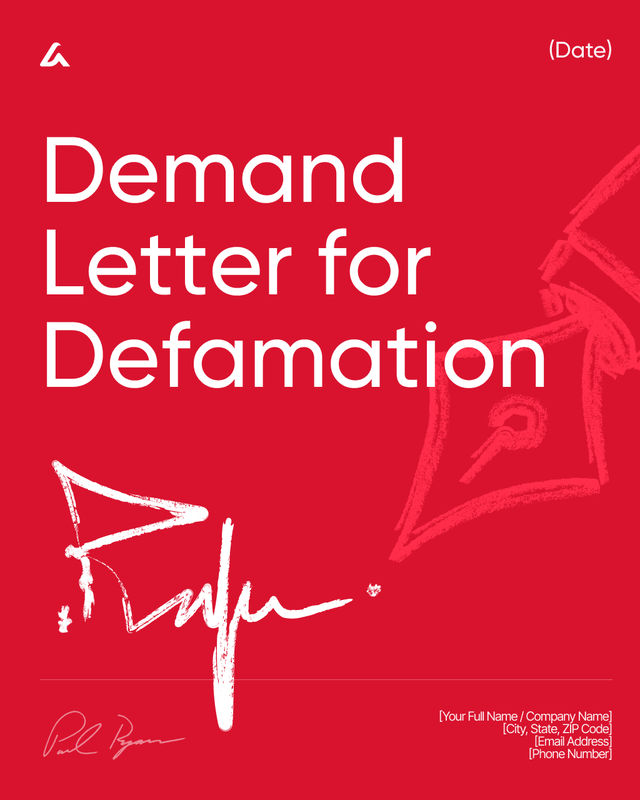
Demand Letter


[Your Full Name / Company Name]
[Your Address]
[City, State, ZIP Code]
[Email Address]
[Phone Number]

[Date]

To:
[Recipient’s Full Name / Company Name]
[Recipient’s Address]
[City, State, ZIP Code]


Subject: Formal Demand for [e.g., Payment / Return of Property / Performance of Obligation]

Dear [Recipient’s Name],

This letter serves as a formal demand regarding the matter of [briefly describe the issue — e.g., an unpaid invoice, breach of agreement, or failure to return equipment].


1. Description of Obligation

On [Date], we entered into an agreement in which you agreed to [describe the nature of the agreement or obligation]. To date, you have failed to [e.g., make payment, return items, fulfill duties], despite prior reminders and communication.


2. Amount or Action Demanded

You currently owe:

  • Amount Due: $[Amount]

  • Description of Basis: [e.g., unpaid invoice #123, dated MM/DD/YYYY]

or

You are required to:

  • [e.g., Return the following items by MM/DD/YYYY]

  • [e.g., Cease a specific activity in violation of an agreement]


3. Deadline to Resolve

We request that this matter be resolved no later than [Insert Deadline – e.g., 10 business days from the date of this letter].

Failure to respond or comply within this timeframe will leave us with no choice but to consider further legal action, including but not limited to filing a lawsuit, engaging a collection agency, or seeking damages in court.


4. Preferred Method of Resolution


You may resolve this matter by:
☐ Making payment via [Bank Transfer / Check / Other] to the details provided below
☐ Returning the property to [Address]
☐ Providing written confirmation of compliance

Banking/return/payment details: [Insert]


5. Contact Information

Should you wish to discuss this matter or require clarification, please contact me directly at [Phone Number] or [Email Address].


We hope to resolve this dispute amicably and without further action. This letter is sent in good faith and with the intention of avoiding unnecessary litigation.

Sincerely,


[Your Full Name]
[Title, if applicable]
[Signature – if printed]

Demand Letter


[Your Full Name / Company Name]
[Your Address]
[City, State, ZIP Code]
[Email Address]
[Phone Number]

[Date]

To:
[Recipient’s Full Name / Company Name]
[Recipient’s Address]
[City, State, ZIP Code]


Subject: Formal Demand for [e.g., Payment / Return of Property / Performance of Obligation]

Dear [Recipient’s Name],

This letter serves as a formal demand regarding the matter of [briefly describe the issue — e.g., an unpaid invoice, breach of agreement, or failure to return equipment].


1. Description of Obligation

On [Date], we entered into an agreement in which you agreed to [describe the nature of the agreement or obligation]. To date, you have failed to [e.g., make payment, return items, fulfill duties], despite prior reminders and communication.


2. Amount or Action Demanded

You currently owe:

  • Amount Due: $[Amount]

  • Description of Basis: [e.g., unpaid invoice #123, dated MM/DD/YYYY]

or

You are required to:

  • [e.g., Return the following items by MM/DD/YYYY]

  • [e.g., Cease a specific activity in violation of an agreement]


3. Deadline to Resolve

We request that this matter be resolved no later than [Insert Deadline – e.g., 10 business days from the date of this letter].

Failure to respond or comply within this timeframe will leave us with no choice but to consider further legal action, including but not limited to filing a lawsuit, engaging a collection agency, or seeking damages in court.


4. Preferred Method of Resolution


You may resolve this matter by:
☐ Making payment via [Bank Transfer / Check / Other] to the details provided below
☐ Returning the property to [Address]
☐ Providing written confirmation of compliance

Banking/return/payment details: [Insert]


5. Contact Information

Should you wish to discuss this matter or require clarification, please contact me directly at [Phone Number] or [Email Address].


We hope to resolve this dispute amicably and without further action. This letter is sent in good faith and with the intention of avoiding unnecessary litigation.

Sincerely,


[Your Full Name]
[Title, if applicable]
[Signature – if printed]

Get your complete
agreement in minutes

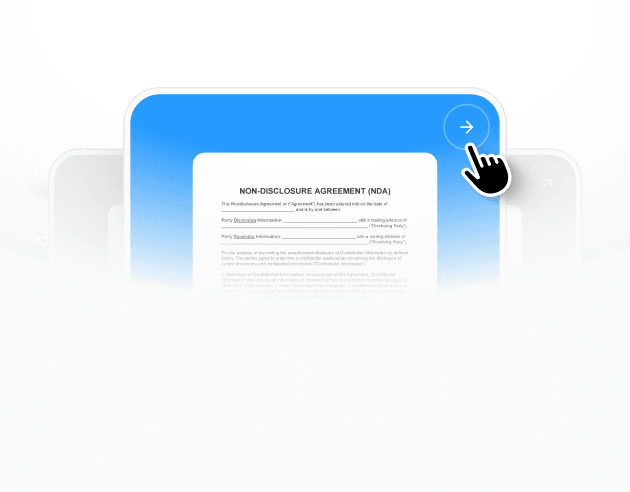
Select template illustration
Select a template

Each template already follows legal structure and best practices.

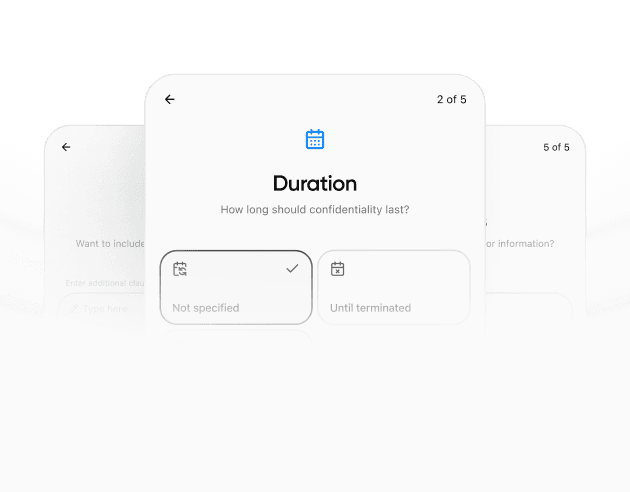
Provide details illustration
Provide details

The agreement is automatically filled and adapted to your inputs.

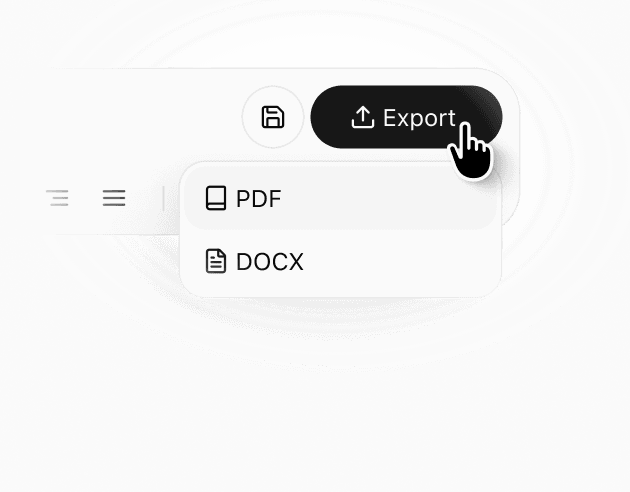
Review & download illustration
Review & download

Check the generated document, make edits if needed, and download a ready-to-use agreement.

Details

Learn more about

Demand Letter Template: Payment Request and Response Deadline

Click below for detailed info on the template.
For quick answers, scroll below to see the FAQ.

Click below for detailed info on the template.
For quick answers, scroll below to see the FAQ.

Frequently asked · Pre-litigation

Demand Letter · Six variants, fifty states, one pre-suit step

Eight questions to settle before you send a demand letter. Most disputes that end up in small-claims court started with a demand letter that either was never written or was so vague the other side ignored it. The right structure, the right tone, and the right escalation step typically resolves the matter without filing.

01 Basics

What is a demand letter?

A demand letter is a formal written communication stating what the recipient owes the sender (money, action, return of property, an apology, an injunction), the legal or contractual basis for that claim, and the deadline to comply before the sender escalates. It is the standard pre-litigation step in almost every common-law jurisdiction.

The letter does three things at once: it puts the other side on notice (which has legal consequences for limitation periods and interest calculations), it gives them a final chance to resolve without a lawsuit, and it creates a documentary record the sender can attach to a complaint if the dispute does end up in court. Without the letter, a judge will often ask why the sender did not at least try to resolve the dispute informally first.

02 Why it matters

Why do you need a demand letter?

Three reasons, all financial.

  • Most disputes settle after a demand letter. Industry estimates put pre-suit settlement rates at 50-70% when the demand letter is well-drafted. The recipient evaluates the cost of defending versus paying and frequently chooses paying.
  • It triggers interest, attorney fee, and statutory damage clocks. Many state statutes (consumer protection acts, prompt-payment statutes, security-deposit return statutes) start the clock on enhanced damages or attorney fees only after written demand has been made and a stated period has elapsed.
  • It preserves your settlement options. The first letter that goes out signals tone and seriousness. A professional, specific demand letter creates room to negotiate down (or up); an aggressive or sloppy one shuts that door immediately and often invites a counter-claim.
03 Use case

When should you use a demand letter?

Use one whenever you have a specific, quantifiable claim against an identified party and have not yet filed suit. The most common scenarios are summarised in the BONUS section's six variant cards below; the universal triggers are:

  • Money owed under a contract, invoice, or promissory note that has gone unpaid
  • A landlord refusing to return a security deposit within the state's statutory deadline
  • A consumer dispute over a refund, warranty claim, or defective product or service
  • Property damage you can document (car accident, neighbour's tree, contractor damage)
  • Intellectual property infringement (trademark, copyright, trade secret)
  • Unpaid wages, commissions, or services rendered without payment
  • Breach of a written or implied contract where you can quantify your damages
04 How-to

How to write a demand letter?

Six elements, in this order, on one or two pages maximum. Recipients (or their counsel) skim demand letters in 60 seconds; the structure below is the one they expect.

  1. Date, parties, and reference. Sender's full name and contact details, recipient's full legal name and address, a reference line (invoice number, contract title, incident date) so the file is identifiable.
  2. The factual narrative. One or two paragraphs walking through what happened, in chronological order, with specifics (dates, amounts, document references). Stick to facts, not characterisation.
  3. The legal basis. One sentence identifying the contract clause, statute, or common-law doctrine that creates the recipient's obligation. Cite if you can ("breach of Section 4.2 of the Services Agreement dated January 12, 2025").
  4. The specific demand. A precise dollar amount, action, or remedy. Not "compensation" but "$4,820 representing the unpaid invoices listed above". Not "an apology" but "a written retraction posted to the same outlet, in the same format".
  5. The deadline. A specific date, typically 10 to 30 days from the letter date, by which the recipient must respond or comply.
  6. The escalation statement. One sentence stating what happens if the deadline passes (lawsuit, small-claims filing, regulatory complaint, mechanic's lien, public review). Specific is better than vague.
05 Required?

Is a demand letter legally required?

Sometimes, depending on the claim. Even when not required, sending one is almost always strategically beneficial.

Common scenarios where a demand letter is legally required before filing:

  • State consumer protection acts. Many states (FL Chapter 501, NY GBL §349, MA Chapter 93A, others) require a written demand and a 30-day response period before a consumer can sue for treble damages or attorney fees
  • Security deposit return claims. Most states require the landlord to itemise deductions and return the balance within a statutory period (commonly 14-30 days); some states require the tenant to demand return in writing as a precondition to enhanced statutory damages
  • Mechanic's liens. Most states require a "notice of intent to lien" sent to the owner before recording
  • Insurance bad-faith claims. Many state insurance codes require a written settlement demand with a specific deadline as a precondition to filing a bad-faith action
  • Federal Tort Claims Act: Administrative claim required before suing the United States (6-month wait period)

Even where no statute requires it, judges in small-claims and civil courts often ask at the first hearing whether the plaintiff sent a demand letter. Not having one is rarely fatal but it weakens the case and frequently leads judges to push the parties toward settlement before deciding.

06 Deadline

How long should the response deadline be?

10 to 30 days from the letter date, calculated from receipt. Pick the shortest reasonable period for the dispute type.

Practical defaults by claim type:

  • Past-due invoice or unpaid wages: 10-14 days (the amount is liquidated, the recipient knows what they owe)
  • Security deposit return: Match the state statutory period (often 14-21 days from demand)
  • Consumer protection claim: Use the statutory 30-day period if one applies; otherwise 21 days
  • Breach of contract with quantified damages: 21-30 days (gives the recipient time to consult counsel)
  • Insurance settlement demand: 30-60 days (insurers need internal sign-off)
  • IP infringement / take-down: 7-14 days (the harm is ongoing)

State the deadline as a specific date, not "30 days from this letter". Specific dates prevent disputes about when the clock started.

07 Escalation

What happens after the deadline passes with no response?

Do what the letter said you would do. The credibility of every future demand letter you send depends on whether you followed through on this one.

The escalation paths most commonly used:

  • Small-claims court (most accessible for amounts under your state's small-claims limit: see the BONUS matrix). DIY-friendly, $30-$200 filing fee, hearing in 30-90 days, no lawyer required (and in some states not even allowed)
  • Civil court for amounts above the small-claims limit. Lawyer typically required, filing fees higher, timeline 6-18 months to trial
  • Mechanic's lien or judgement lien against real property the debtor owns
  • Regulatory complaint (state AG, BBB, state licensing board for professionals, federal agency for regulated industries)
  • Sale of the debt to a collection agency (for commercial debts; consumer debts have specific FDCPA restrictions)

Do not threaten anything in the letter that you are not actually prepared to do. Idle threats reduce future settlement leverage and can expose the sender to abuse-of-process or anti-SLAPP claims in jurisdictions that have them.

08 Customise

Need a customized demand letter?

Use AI Lawyer to generate one tailored to your dispute. Pick the variant (payment, breach, refund, security deposit, IP, services), set the amount and deadline, paste the underlying contract or invoice; the assistant produces a letter with the right tone, the right legal basis, and the right escalation statement for your jurisdiction. Have a licensed attorney review on claims above your state's small-claims limit or any dispute involving regulated entities.

Send a demand letter that gets a response

Free template, six variants, with automatic deadline calculation, state-specific statutory references, and the right escalation language for your dispute type.

Use the template

Similar templates

Other templates from

Letters and Notices Templates

Money back guarantee

Free trial

Cancel anytime

AI Lawyer protects

your rights and wallet

🌐

Company

Learn

Terms

©2026 AI Lawtech Sp. z O.O. All rights reserved.

Money back guarantee

Free trial

Cancel anytime

AI Lawyer protects

your rights and wallet

🌐

Company

Learn

Terms

AI Lawtech Sp. z O.O.

©2026

Money back guarantee

Free trial

Cancel anytime

AI Lawyer protects

your rights and wallet

🌐

Company

Learn

Terms

©2026 AI Lawtech Sp. z O.O. All rights reserved.

Money back guarantee

Free trial

Cancel anytime

AI Lawyer protects

your rights and wallet

🌐

Company

Learn

Terms

©2026 AI Lawtech Sp. z O.O. All rights reserved.