AI Assisted
Export: PDF & DOCX
Get your custom agreement in minutes
4.8 Rating
Downloaded 2675 times
Get your complete
agreement in minutes
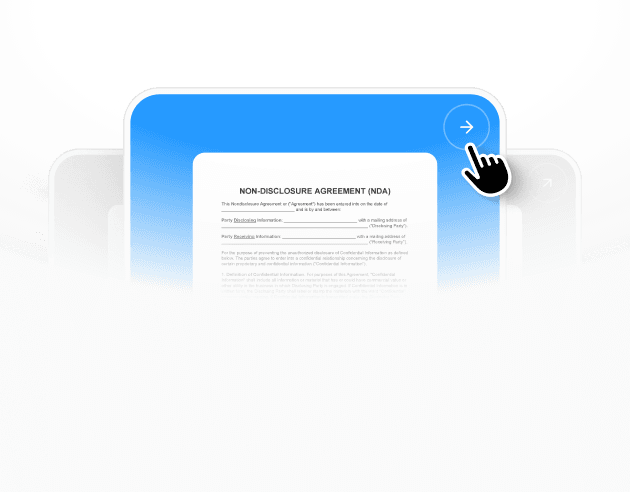
Select a template
Each template already follows legal structure and best practices.
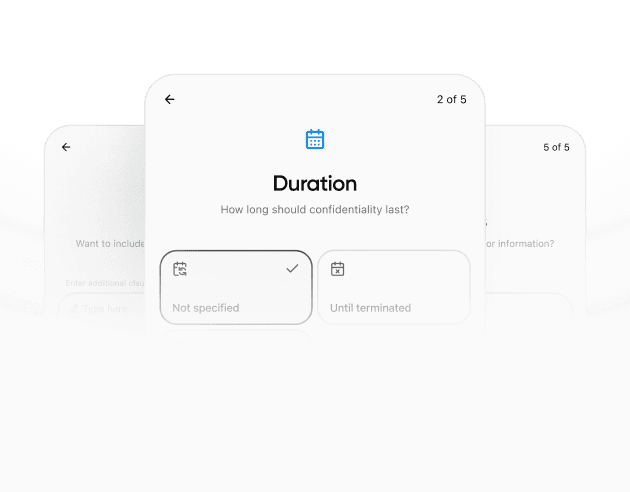
Provide details
The agreement is automatically filled and adapted to your inputs.
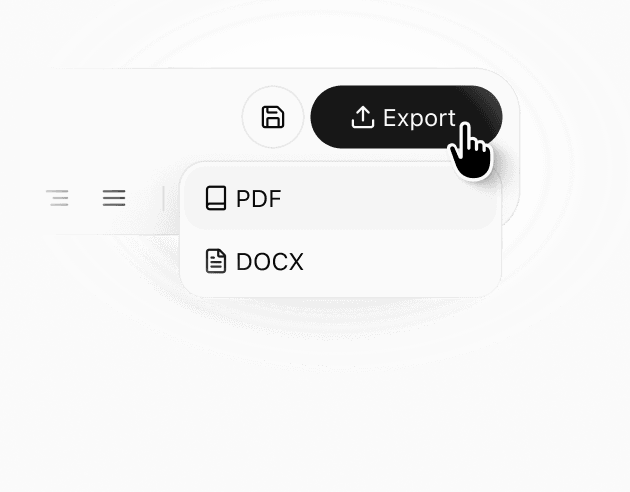
Review & download
Check the generated document, make edits if needed, and download a ready-to-use agreement.
Details
Learn more about
Truck Accident Demand Letter Template – Florida
Florida Truck Accident Demand Letter Template FAQ
How should I summarize damages so an adjuster can verify the numbers quickly?
Damages are easiest to review when they are grouped by category, stated as totals, and tied to supporting documents. A simple table that lists medical, wages, property damage, and out-of-pocket costs can help, especially when each row references the attachment that supports the amount. If the numbers change over time, such as ongoing treatment, you can present “to date” totals and note what is expected next. The key is to avoid mixing categories or double-counting items. Clean grouping makes it more likely that the first review results in a meaningful response rather than a request for clarification.
Should I include both a narrative and a timeline of events?
Including both can help when the collision sequence is complicated or when the timeline matters for credibility. The narrative explains the story in plain language, while the timeline keeps the dates and milestones organized, such as ER visits, therapy, and missed work. If your case is simple, a short narrative alone may be enough. If there were multiple impacts, multiple providers, or delays caused by scheduling, a timeline can prevent misunderstandings. The most important point is consistency: the narrative, dates, and attachments should match each other so the reader does not need to guess what happened when.
What is the best way to handle property damage, towing, storage, and rental costs?
These costs are often easier to evaluate when you separate them from medical damages and list each item with a date and document reference. Repair estimates or invoices should match the vehicle identification details you provide. Towing and storage receipts should show the service date and the vehicle involved. If you used a rental car, include the rental agreement and explain the rental period briefly. Keeping these items organized reduces the chance that the insurer treats them as miscellaneous or questions their connection to the crash. Clear organization also helps you avoid overlooking smaller expenses that add up.
Do I need to include a statement about my current medical status?
Yes, a short status statement can help the recipient understand whether the claim is mature for settlement. You can state whether you are fully recovered, improving, or still experiencing symptoms, and you can describe the main limitations in plain language. If future care is planned, identify the general type of care and the expected timeframe, without speculating beyond what your providers have documented. This helps the adjuster decide whether more records are needed before evaluation. A clear status section also helps explain why a demand amount may change if treatment continues.
What if the insurer responds with a low offer and little explanation?
If the response does not address your main points, you can ask for the reasoning in writing and identify the specific areas where you disagree, such as liability, treatment necessity, or wage loss calculation. Keeping your reply structured and tied to documents tends to be more effective than re-telling the entire story. You can also provide a short supplemental package if a key document was missing. The goal is to move the discussion from positions to evidence. A documented record of requests and responses can also help you track the negotiation and avoid repeating the same arguments.
Should I send the demand by email or certified mail?
The best method is the one that reliably proves delivery and matches the insurer’s intake process. Email can be fast, but you should keep a copy of the sent message and any delivery confirmation. Certified mail creates a clear delivery record but may be slower. Some insurers use online portals, which can be efficient if you keep screenshots or confirmation numbers. Regardless of method, label your attachments clearly and keep a copy of exactly what was sent. Consistent delivery records reduce delays caused by misrouting or claims of non-receipt.
Can I use the same demand letter structure for a commercial and a personal auto policy?
You can use the same overall structure because the key topics are similar: accident facts, liability position, injuries, damages, and demand terms. The difference is usually in who the recipients are and how the claim is referenced. If multiple policies might apply, keep your identifying information clear and ask the recipient to confirm the claim and policy details in writing. A structured template helps you avoid leaving out key categories of loss. The goal is to make the evaluation straightforward regardless of the policy type on the back end.
Similar templates