AI Assisted
Export: PDF & DOCX
Get your custom agreement in minutes
4.8 Rating
Downloaded 3028 times
Get your complete
agreement in minutes
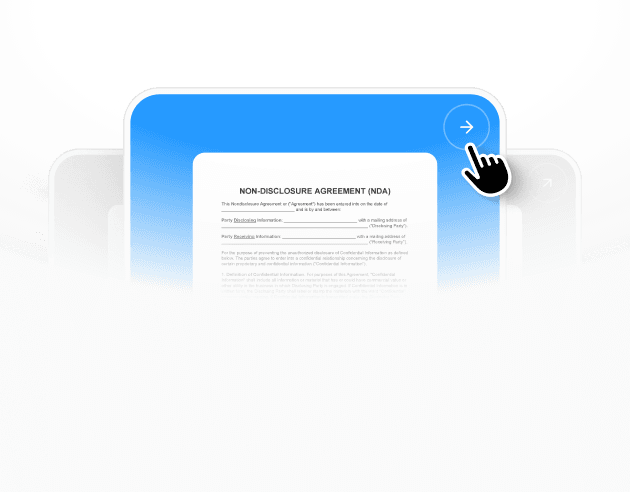
Select a template
Each template already follows legal structure and best practices.
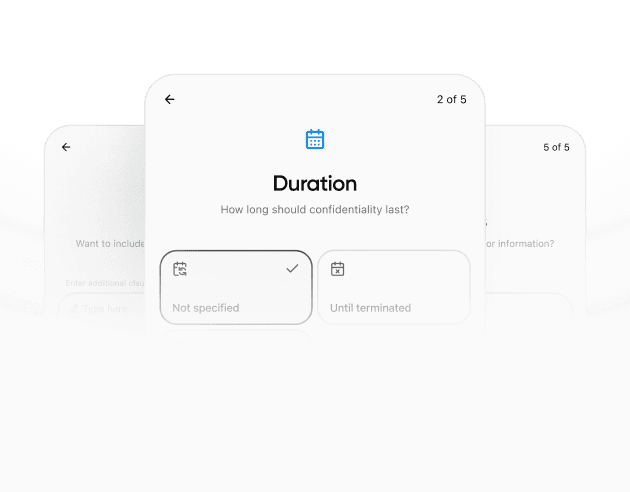
Provide details
The agreement is automatically filled and adapted to your inputs.
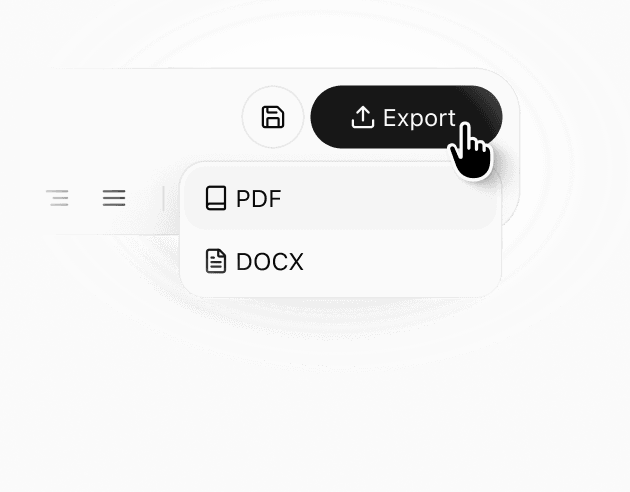
Review & download
Check the generated document, make edits if needed, and download a ready-to-use agreement.
Details
Learn more about
Truck Accident Demand Letter Template – New York
New York Truck Accident Demand Letter Template FAQ
Do I send the demand letter to the insurer, the trucking company, or both?
In most situations, the demand is directed to the insurer or claims adjuster who is handling evaluation and payment. It can also be copied to the trucking company contact you have, especially if you are unsure which insurer has the file. The most important point is that the recipient can identify the loss quickly, so include the accident date, location, parties involved, and any unit or plate information you have. If you use multiple recipients, keep the content consistent and track delivery so you can show when each party received the package.
What details matter most in the accident summary section?
Accident summaries are easier to evaluate when they answer who, what, where, when, why, and how without extra commentary. Identifying lanes, direction of travel, traffic controls, and the sequence of impacts can help the reader understand the mechanics of the crash. If conditions mattered, include them briefly. If they did not, you can state that conditions were normal. The goal is to give a clear picture that matches the evidence you list, such as the crash report, photos, diagrams, or witness statements. Clarity here makes the liability section easier to accept.
How should I describe medical treatment if there were multiple providers?
When care involves multiple providers, a short provider list with dates is often the most readable approach. You can then summarize the course of treatment in one narrative paragraph that explains what changed over time, such as initial evaluation, imaging, therapy, and follow-up. If you have ongoing symptoms, describe them in plain language and connect them to functional limits. Avoid medical conclusions you cannot support; instead, cite what the records show and what the next planned appointment is. A clean treatment timeline reduces confusion and helps the adjuster match bills to visits.
What if the insurer asks for more information after I send the demand?
It is common for insurers to request additional records or clarifications after receiving a demand. A good approach is to ask the insurer to identify specific missing items in writing and to confirm whether the deadline is being extended for that request. If you provide additional material, label it as supplemental and reference the original demand date so the file stays organized. Keeping a simple communications log helps track what was requested and when you responded. The goal is to avoid the claim stalling due to vague requests or repeated requests for items you already sent.
Should my demand amount equal my documented bills and receipts?
Demand amounts are often higher than documented out-of-pocket losses because they may also reflect disruption, pain, and time spent recovering. The key is to present the documented numbers clearly and then explain, in a restrained way, why the overall demand is larger. If you are still treating, note that the demand is based on current information and identify expected follow-up care. Avoid presenting the demand as arbitrary; show how the injuries affected daily life and work. A grounded explanation is more persuasive than a large number with no supporting narrative.
How do I reduce the chance that my letter is misunderstood or taken out of context?
Use plain, factual language, avoid speculation about what someone “must have been thinking,” and keep the narrative consistent with the evidence you attach. If you make a statement about fault, connect it to a specific fact such as lane position, right-of-way, or the report narrative. Be careful with absolutes and avoid exaggeration. Clear section headings can also help the reader find key points quickly. If you include attachments, label them so the adjuster can locate them without guessing. A well-labeled package is harder to misread.
If I have witnesses, what should I include about them in the demand letter?
If you have witness information, include each witness’s name, role, contact details if available, and a short description of what the witness observed. If you have a written statement, reference it as an attachment and label it consistently. If you do not have a statement yet, you can still note that the witness exists and describe the expected topic, such as the truck’s lane change or braking pattern. Keeping witness details organized helps the insurer confirm the story quickly. It also signals that the claim is supported beyond the parties’ own accounts.
Similar templates