AI Assisted
Export: PDF & DOCX
Get your custom agreement in minutes
4.8 Rating
Downloaded 4587 times
Get your complete
agreement in minutes
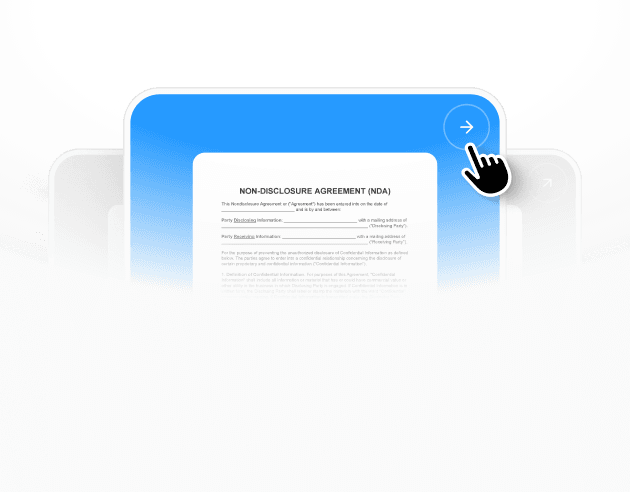
Select a template
Each template already follows legal structure and best practices.
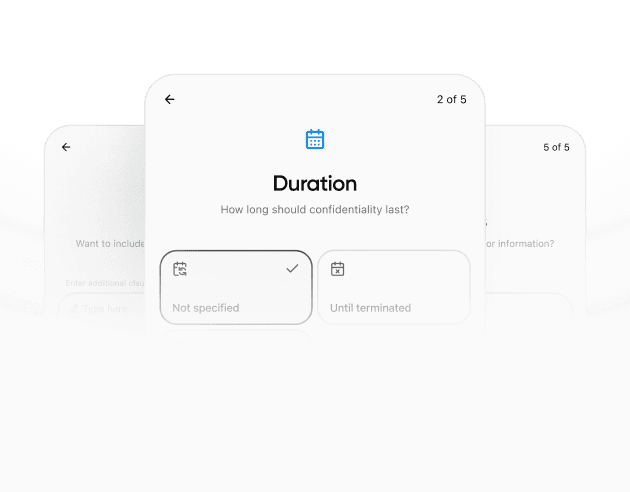
Provide details
The agreement is automatically filled and adapted to your inputs.
Review & download
Check the generated document, make edits if needed, and download a ready-to-use agreement.
Details
Learn more about
Commercial Sublease Agreement Template – Illinois
Illinois Commercial Sublease Agreement Template FAQ
How does a deposit reconciliation worksheet reduce conflict at move-out?
A worksheet makes the deposit math visible. Instead of relying on informal emails, the parties can list each deduction, the amount, and the supporting documentation identifier. This structure helps the sublessee understand what is being charged and helps the sublessor show how the deposit was applied. It also reduces the likelihood of double-counting items because each line has a clear label and record reference. When the final refund is calculated from the same worksheet, the move-out process feels more objective and less like a negotiation.
What documents are most useful to support deposit deductions?
The most useful support is documentation that ties the deduction to a specific condition or unpaid amount. Examples include rent ledgers, repair invoices, cleaning invoices, and photos or walkthrough reports that show the condition at surrender. The goal is not to create a large file, but to preserve the few records that clearly explain why a deduction was made. If the sublessor expects to charge for restoration of an approved alteration, keeping the alteration approval record with the closeout packet also helps connect the expense to the agreed scope of work.
How should the parties define “damage” versus ordinary wear?
The agreement can set a general expectation that the premises will be returned in good order, while recognizing that normal use produces routine wear. The practical way to reduce disagreement is to document the initial condition at handover and document the surrender condition at move-out with photos or a walkthrough record. If the parties can compare before-and-after evidence, it is easier to discuss what changed and whether it should be repaired. A consistent evidence set often resolves disputes faster than lengthy arguments about terminology.
What should be included in a surrender checklist?
A surrender checklist can include the move-out date and time, return of keys and access devices, and a list of items that must be removed or left behind. It can also capture whether utilities were transferred or closed, whether trash and personal property were removed, and whether any restoration work was completed. By putting these items in writing, the parties reduce last-minute misunderstandings and can coordinate building access for move-out. A short checklist also supports deposit timing because it clarifies when surrender actually occurred.
How can a sublessee avoid accidentally violating the original lease?
The sublessee should be given access to the original lease terms that apply to the premises, especially use restrictions, alteration requirements, and insurance provisions. The sublease should identify the original lease by date and state that applicable provisions control. This helps prevent scenarios where the sublessee assumes a use or modification is allowed but the building rules prohibit it. When the sublessee understands the governing rules early, approvals can be obtained before operations begin, which reduces risk for both the sublessor and landlord.
Should the sublease address approved improvements at the end of the term?
Yes, because improvements often become the biggest point of disagreement at move-out. The parties should state whether approved improvements remain with the premises or must be removed, and whether restoration is required. If restoration is required, it helps to clarify the expected standard and whether the landlord must approve the restoration. Addressing this in the agreement avoids surprise costs and makes it easier to plan the closeout schedule. It also improves deposit predictability because restoration items can be evaluated against written expectations.
When is it better to end the sublease by written agreement rather than default?
Written termination by agreement is useful when the parties want a cooperative exit, such as when business needs change or a replacement tenant is found. An agreement can confirm the surrender date, handle rent proration, address access return, and set a deposit reconciliation plan without arguing about fault. This approach can be faster and less disruptive than a default process, especially when the sublessor must remain in good standing under the original lease. Clear written terms help prevent lingering disputes after the sublessee vacates.
Similar templates