
What is a Farm Lease Agreement?
A Farm Lease Agreement is a legal contract that allows a landowner to lease farmland, equipment, or agricultural facilities to a tenant for farming purposes, specifying the rent, responsibilities, and permitted uses.


This Farm Lease Agreement (“Agreement”) is entered into on [Date], by and between:
Landowner (Lessor): [Full Legal Name]
Address: [Address]
Contact: [Phone, Email]
Tenant Farmer (Lessee): [Full Legal Name]
Address: [Address]
Contact: [Phone, Email]
Together referred to as the “Parties.”
The Landowner leases to the Tenant the following agricultural property (“Farm”):
[Full Property Description, including acreage, location, and facilities such as barns, irrigation systems, or equipment if applicable].
Start Date: [MM/DD/YYYY]
End Date: [MM/DD/YYYY]
Renewal: The lease may be renewed upon mutual agreement.
Rent Amount: $[Amount] per [Month/Year/Season].
Payment Schedule: [Specify due dates].
Late Fee: $[Amount] or [X%] after [X days] overdue.
The Tenant may use the Farm only for agricultural purposes, including [crops/livestock/mixed use]. Use of the property for other purposes requires written consent of the Landowner.
Tenant shall maintain fields, fences, equipment, and facilities in good condition.
Major repairs or improvements require Landowner’s approval.
Permanent improvements shall [revert to the Landowner / remain Tenant’s property] upon termination.
If applicable, the Parties agree to share crops, revenues, or resources as follows:
[Specify percentages, delivery methods, or cost-sharing arrangements].
Tenant agrees to follow good farming practices, prevent soil erosion, conserve water, and comply with environmental laws and conservation programs.
Tenant shall maintain liability insurance covering farming activities. Landowner is not liable for injuries, accidents, or damages arising from Tenant’s use of the Farm.
The Landowner retains the right to enter the Farm with reasonable notice for inspection, repairs, or compliance checks.
Either Party may terminate this Agreement with [X days/months] written notice for breach, non-payment, or failure to comply with terms.
This Agreement shall be governed by the laws of [State/Country].
This Agreement represents the entire understanding of the Parties and may only be modified in writing signed by both.
Landowner: ___________________________ Date: _________
Name: ____________________________________________
Tenant Farmer: _________________________ Date: _________
Name: ____________________________________________
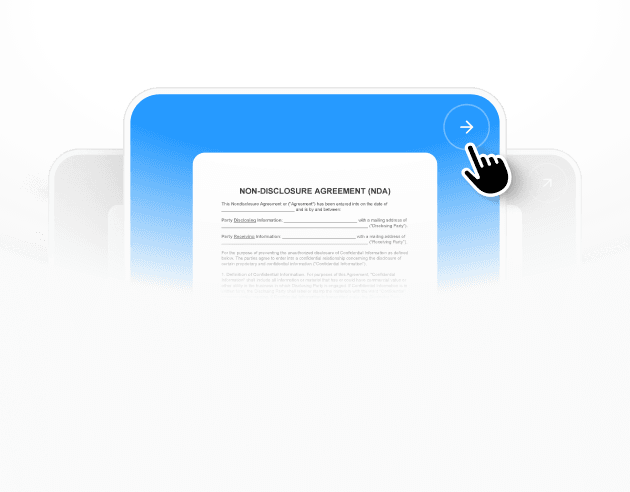
Each template already follows legal structure and best practices.
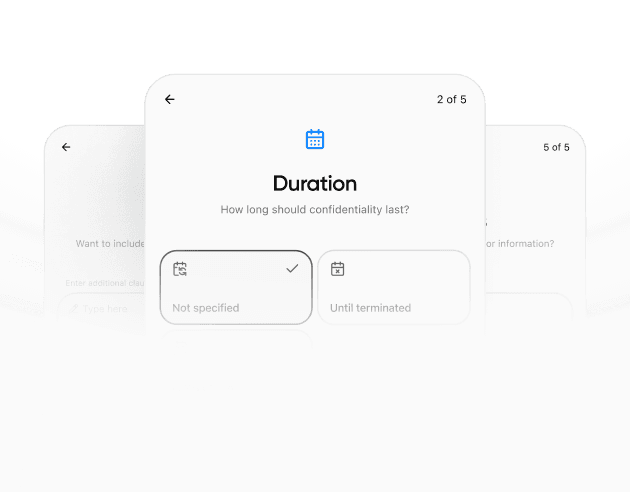
The agreement is automatically filled and adapted to your inputs.
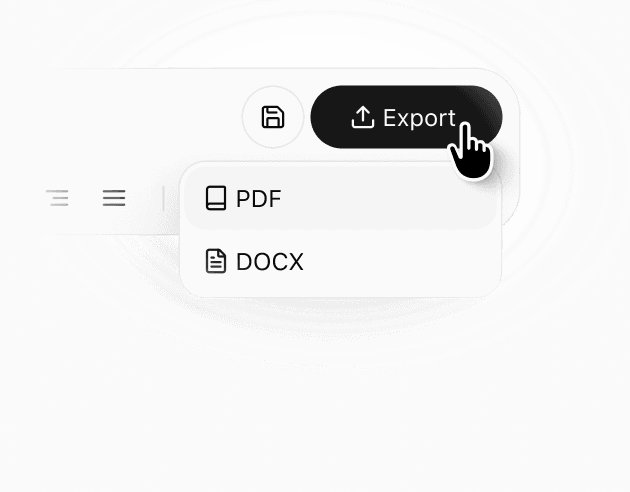
Check the generated document, make edits if needed, and download a ready-to-use agreement.
Frequently asked
A Farm Lease Agreement is a legal contract that allows a landowner to lease farmland, equipment, or agricultural facilities to a tenant for farming purposes, specifying the rent, responsibilities, and permitted uses.
It protects both the landowner and the tenant farmer by clearly outlining financial terms, use restrictions, maintenance obligations, and dispute resolution processes. This ensures that the land is used productively while minimizing conflicts.
Use it whenever leasing agricultural property, whether for crops, livestock, or mixed farming. It applies to short-term seasonal arrangements and long-term leases alike.
It should specify property details, lease duration, rent amount and payment schedule, permitted farming activities, maintenance responsibilities, insurance, and termination terms. Provisions for crop sharing, conservation practices, and environmental compliance may also be included.
Not necessarily. It can also cover use of barns, silos, irrigation systems, or other agricultural facilities included in the lease.
Cash rent is a fixed amount per acre or for the whole property, so the tenant carries the price and yield risk. In a crop-share lease the landowner receives an agreed share of the crop and usually pays the same share of some inputs, so both sides share the risk. A flexible cash lease sets a base rent and adjusts it by actual yield or price under a written formula. Whichever you choose, write down the formula, the payment dates, and which party pays for seed, fertilizer, and other inputs.
Whoever the lease says. Spell out whether the tenant may make improvements such as fencing, drainage tile, irrigation, or grain storage, who pays for them, and whether the tenant is reimbursed for their unused value when the lease ends. Do the same for crops still in the ground at termination and for crop residue, so the end of the lease does not turn into a dispute over a harvest.
Record the soil condition (a soil test is the usual baseline), the state of fences, buildings, wells, and drainage, and any water rights or irrigation allocations that come with the land. A dated record from the start is what later shows whether fertility or the property was run down during the lease. Agree to review crop plans, conservation practices, and repairs once a year, and keep written records of every improvement.
A vague property description with no acreage or parcel numbers; no rules on soil and water management; livestock responsibilities left undefined; improvements made without a written agreement on who owns them; and relying on a verbal lease. In several states, Iowa among them, an unwritten or expired farm lease continues from year to year until statutory notice is given, so put the term and the termination notice in writing.
Use our AI-powered builder to generate a tailored Farm Lease Agreement in minutes — professional, compliant, and ready to sign.
 Land Lease Agreement This Land Lease Agreement ("Agreement") is made and entered into on [Date], by and between: Lessor (Landowner): [Full Name / Company Name] Address… Lease Agreement
 Eviction Notice Template [Landlord/Property Manager Name] [Address] [City, State, ZIP] [Phone] [Email] [Date] [Tenant Name(s)] [Rental Property Address] [City, State, ZIP] Notice of… Lease Agreement
 Commercial Lease Agreement This Commercial Lease Agreement (the “Agreement”) is made and entered into as of [Date], by and between: Landlord: [Full Legal Name], having a mailing… Lease Agreement
 Commercial Sublease Agreement Template This Commercial Sublease Agreement (“Agreement”) is entered into on [Date], by and between: Sublessor (Current Tenant): [Full Legal Name / Business… Lease Agreement
 Crop Share Lease Agreement Template This Crop Share Lease Agreement (“Agreement”) is entered into on [Date], by and between: Landowner: [Full Legal Name] Address: [Address] Phone: [Phone… Lease Agreement
 Residential Sublease Agreement Template This Residential Sublease Agreement (“Agreement”) is entered into on [Date], by and between: Sublessor (Original Tenant): [Full Name] Address: [Address]… Lease Agreement
 Vacation Rental Agreement Template This Vacation Rental Agreement (“Agreement”) is made and entered into on [Date], by and between: Owner/Manager: [Full Legal Name] Address: [Address] Cont… Lease Agreement
 This Month-to-Month Lease Agreement (the “Agreement”) is made as of [Effective Date] by and between: Landlord: [Landlord Full Name], address… Lease Agreement
 Commercial Lease Agreement Template Rent First Terms. This Commercial Lease Agreement (the “Agreement”) is made and entered into as of [Date], by and between: Landlord: [Full Legal Name]… Lease Agreement
 This Full Service Gross Lease Agreement (the “Agreement”) is made and entered into as of [Date] (the “Effective Date”), by and between: Landlord: [Full… Lease Agreement
 Garage Lease Agreement Template This Garage Lease Agreement (“Agreement”) is made as of the date of the last signature below. Parties Landlord (Owner/Lessor): Full Legal Name… Lease Agreement
 EQUIPMENT LEASE AGREEMENT TEMPLATE This Equipment Lease Agreement (“Agreement”) is entered into as of [Date], by and between: Lessor (Owner): [Full Name or Company Name], with a… Lease Agreement
 Garage Rental Agreement Template This Garage Rental Agreement (“Agreement”) is made as of [Agreement Date]. Parties Landlord: Full Legal Name (or Business Name): [Landlord Full Legal… Lease Agreement
 This Double Net (NN) Lease Agreement (“Lease”) is made as of [Date of Lease]. Parties and Premises Landlord: Full Legal Name: [Landlord Full Legal Name] B… Lease Agreement
 Gas Lease Template This Gas Lease is made on [Date] by and between: Lessor / Landowner: [Full Name] Address: [Address] Lessee / Operator: [Company Name / Full Name] Address… Lease Agreement
 Deposit Receipt Template [Business / Individual Name Receiving Deposit] [Street Address] [City, State/Province, ZIP/Postal Code, Country] Phone: [Phone Number] Email: [Email… Lease Agreement
 Grazing Lease Agreement Template This Grazing Lease Agreement (“Agreement”) is entered into as of [Effective Date], by and between: Landowner: [Full Legal Name], of [Address] and Tenant… Lease Agreement
 Damage Deposit Receipt Template [Business / Landlord / Owner Name Receiving Deposit] [Street Address] [City, State/Province, ZIP/Postal Code, Country] Phone: [Phone Number] Email: [Email… Lease Agreement
 This Gross Lease Agreement (“Lease”) is made as of [Date of Lease]. Parties and Premises Landlord: Full Legal Name: [Landlord Full Legal Name] Business… Lease Agreement
 This Hair Stylist Chair Rental Agreement (the “Agreement”) is made and entered into as of [Date] (the “Effective Date”), by and between: Salon/Owner… Lease Agreement
 This Housemate / Flatmate Agreement (the “Agreement”) is made as of [Effective Date] by and among the following roommates (each a “Housemate,”… Lease Agreement
 Commercial Lease Guaranty Template This Commercial Lease Guaranty (“Guaranty”) is made as of [Date], by and between: Landlord: [Landlord Full Legal Name], of [Address] Tenant: [Tenant… Lease Agreement
 This Hunting Lease Agreement (“Agreement”) is entered into on [Date], by and between: Landowner / Lessor: [Full Name or Entity Name] Address: [Address] E… Lease Agreement
 Commercial Lease Agreement Template Building Services Entry Point. This Commercial Lease Agreement (the “Agreement”) is made and entered into as of [Date], by and between: Landlord: [Full… Lease Agreement