AI Assisted
Export: PDF & DOCX
Get your custom agreement in minutes
4.8 Rating
Downloaded 3327 times
Get your complete
agreement in minutes
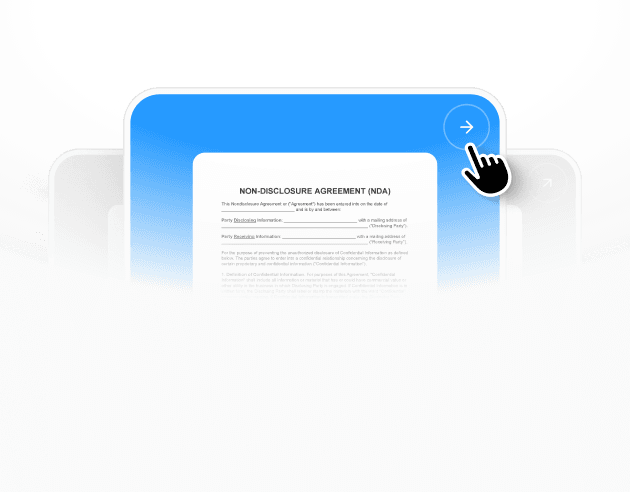
Select a template
Each template already follows legal structure and best practices.
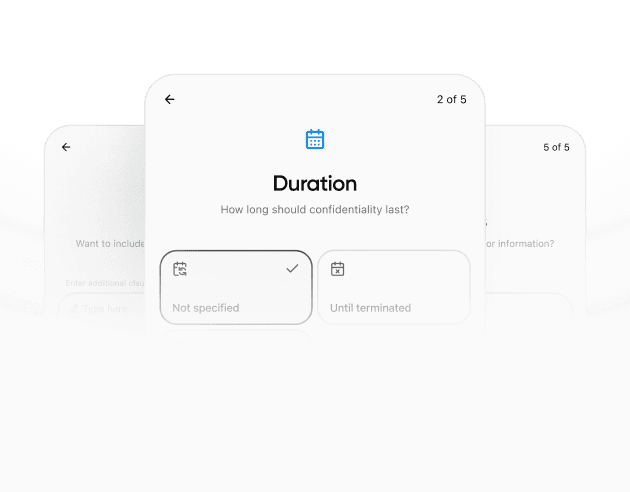
Provide details
The agreement is automatically filled and adapted to your inputs.

Review & download
Check the generated document, make edits if needed, and download a ready-to-use agreement.
Details
Learn more about
Commercial Sublease Agreement Template – Texas
Texas Commercial Sublease Agreement Template FAQ
How does a responsibility matrix help in a sublease?
A matrix turns broad clauses like “maintenance” or “utilities” into a quick reference that shows who is expected to act. This is especially helpful when the original lease assigns responsibilities in a way that is not intuitive, or when the landlord handles certain building systems while the tenant handles others. By mapping each topic to a party, the sublease reduces finger-pointing and delays when an issue arises. It also supports smooth onboarding for new staff because the duty map is easier to review than long narrative sections.
Why start a sublease with permitted use and restrictions?
Permitted use drives many other terms, including insurance expectations, building rules, and the likelihood of alterations or deliveries. When use is clear up front, the parties can confirm that the operations fit the building’s expectations and the original lease’s restrictions. A simple restrictions grid also reduces the risk that the sublessee assumes something is allowed, like extended hours or prominent signage, when approvals are needed. Starting with use can prevent operational surprises after move-in.
What should be included in “other charges” beyond monthly rent?
Other charges are best listed separately from base rent so they are easy to see and reconcile. Examples can include parking fees, storage charges, shared services, or pass-through amounts that are billed on a separate schedule. The goal is to avoid a scenario where the sublessee believes the monthly rent is all-inclusive while the sublessor expects separate reimbursements. If the amounts vary, the sublease can describe the category and the documentation method that supports the billed amount.
How should changes to rent or term be documented during the sublease?
Changes are easier to manage when the agreement includes a short change request record with an effective date and clear approvals. This avoids informal side agreements that create confusion in accounting and operations. If the original lease requires landlord approval for certain changes, the change section can capture that approval pathway without rewriting the entire sublease. AI Lawyer can produce a consistent change-record format so renewals, rent adjustments, and use changes are documented the same way across multiple locations.
Who remains responsible to the landlord under a sublease?
In many arrangements, the sublessor remains the tenant under the original lease and therefore remains responsible to the landlord for performance under that lease. The sublessee’s obligations are owed to the sublessor under the sublease, and the sublessor relies on the sublease to pass through responsibilities. That is why the sublease should clearly incorporate applicable original lease terms and require proof of insurance and compliance with building rules. Clear flow-through obligations reduce the sublessor’s risk.
How should default and termination be handled to avoid uncertainty?
The sublease should identify what constitutes default, such as non-payment or a material breach, and state that the agreement can be terminated on expiration, mutual written agreement, or default. It should also specify how notices are delivered and where they are sent, so communications are not missed. Clear termination mechanics matter because they drive move-out timing, deposit return, and the handoff of access credentials. Predictable termination steps help both parties plan and reduce conflict.
Can a sublessee further sublet the premises to someone else?
Most commercial subleases prohibit assignment or further subletting without written consent from the sublessor and the landlord. This protects the building’s approval process and helps the landlord and sublessor control who occupies the space. If a further sublet is considered, it should be documented with written consent and clear obligations for the new occupant. Keeping the consent requirement explicit prevents unauthorized occupancy and avoids sudden operational issues with building access or compliance.
Similar templates