AI Assisted
Export: PDF & DOCX
Get your custom agreement in minutes
4.8 Rating
Downloaded 3012 times
Get your complete
agreement in minutes
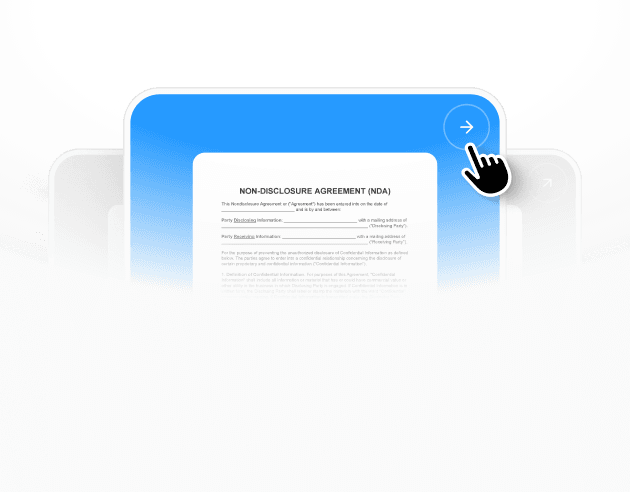
Select a template
Each template already follows legal structure and best practices.
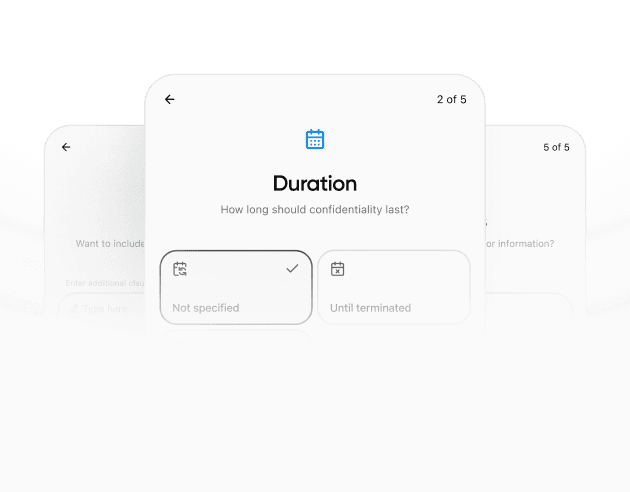
Provide details
The agreement is automatically filled and adapted to your inputs.
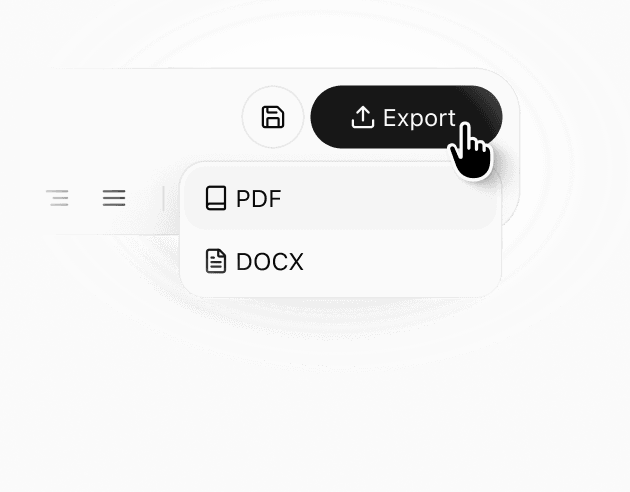
Review & download
Check the generated document, make edits if needed, and download a ready-to-use agreement.
Details
Learn more about
Storage Rental Agreement Template – Washington
Washington Storage Rental Agreement Template FAQ
Why does this Washington version start with a notices and records table?
Many storage disputes come down to communication: when invoices were sent, when access procedures changed, or whether a default notice was delivered. Starting with a records table creates a single place to track those events by date, method, and reference ID. That can help both sides resolve misunderstandings faster, especially when communications occur through a portal or automated system. The table is a recordkeeping tool, not a penalty clause. It helps keep the rest of the agreement shorter by shifting repetitive notice details into a structured format that can be updated over time.
What should be recorded as a “reference ID” in the notice log?
A reference ID can be anything that helps locate the underlying record: an invoice number, portal message ID, email subject line, ticket number, or a folder link where copies are stored. The goal is to make it easy to retrieve the exact notice later without guessing. If notices are sent by certified mail or courier, the tracking number can serve as the reference ID. For portal communications, a screenshot filename or message thread link works well. Keeping consistent IDs helps prevent debates about whether a notice existed or what it said.
How should tenants manage shared access credentials?
Shared gate codes and keys can create confusion when multiple people access a unit. Tenants should limit credential sharing to authorized users and update the facility when personnel changes occur. If a code is compromised, requesting a reset promptly can reduce risk. The credential control section is designed to record custody expectations and return rules at move-out. Tenants should also keep a simple internal record of who has access and when credentials were issued or revoked, especially for business accounts with employee turnover.
Does the agreement guarantee security against theft or damage?
No. This template allocates responsibility for insuring stored property to the tenant and limits the facility’s liability except in cases of gross negligence or willful misconduct. Facilities may have security measures, but those measures are not the same as an insurance guarantee. Tenants should choose a lock appropriate for the unit type and confirm their insurance coverage for theft, fire, and water-related loss. If storing high-value items, consider keeping an inventory and photographing items. Clear insurance planning is usually the best protection against unexpected loss.
What should happen at move-out to close the account cleanly?
A clean move-out usually involves removing all items, sweeping the unit, returning access credentials, and confirming the final billing status. Tenants should document the empty unit with photos and keep proof of return for keys or access cards. If the facility uses an automated billing system, confirm whether billing stops on a specific date or at the end of a paid period. Clear communication reduces disputes over additional rent or cleaning charges. This template includes credential return language and a records contact acknowledgment to keep the process organized.
Is this template suitable for both personal and business storage?
Yes. The agreement is written to cover storage of personal or business property, while still restricting on-site living and business operations inside the unit. Business tenants may want to add authorized user documentation and a more detailed inventory approach, which can be kept as separate attachments. The core terms — unit identification, rent, access, restrictions, insurance, default, and termination — remain the same. If your use case is complex, AI Lawyer can help generate a consistent set of attachments so the core agreement stays readable while operational details are still documented.
Similar templates