AI Assisted
Export: PDF & DOCX
Get your custom agreement in minutes
4.8 Rating
Downloaded 2616 times
Get your complete
agreement in minutes
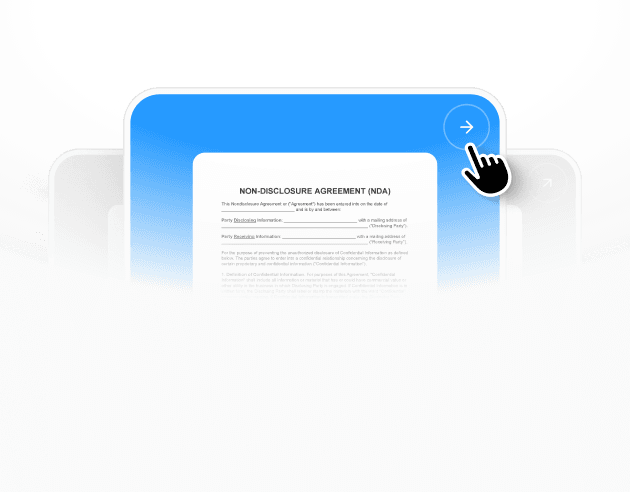
Select a template
Each template already follows legal structure and best practices.
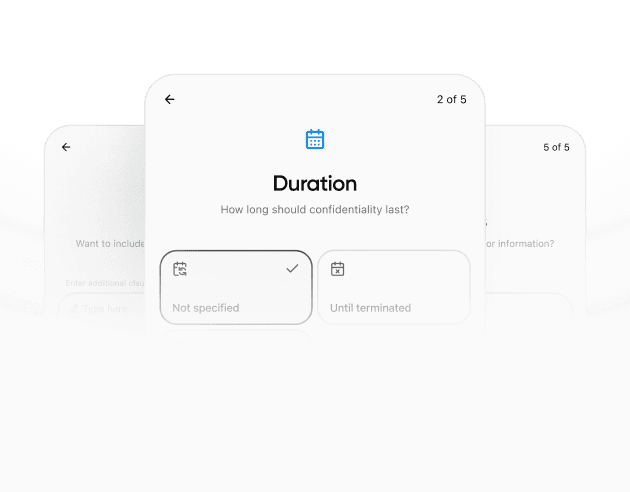
Provide details
The agreement is automatically filled and adapted to your inputs.
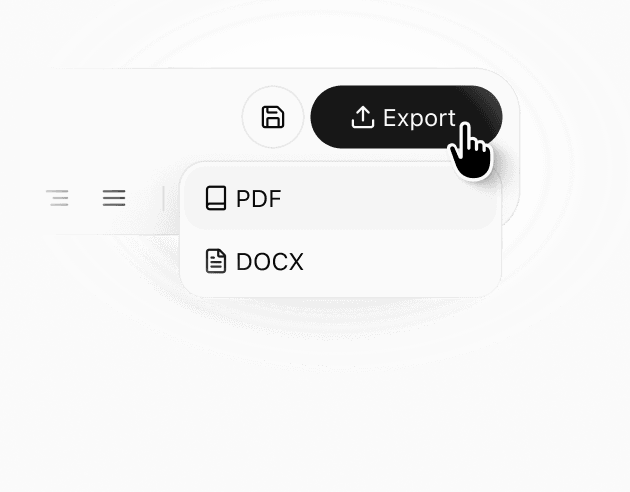
Review & download
Check the generated document, make edits if needed, and download a ready-to-use agreement.
Details
Learn more about
White Label Agreement Template – Washington
Washington White Label Agreement Template FAQ
What information should be treated as confidential in a white label agreement?
Confidential information typically includes non-public pricing, product roadmaps, manufacturing methods, source materials, customer lists, support playbooks, and anything shared to enable white label delivery. The agreement should define confidentiality broadly enough to cover day-to-day exchanges, but also include standard exceptions (for example, information that becomes public without breach). Because white label relationships often involve sharing marketing drafts and access credentials, it’s helpful to state that those items are confidential as well. Clear confidentiality terms reduce hesitation to share what the other side needs to perform.
Should the reseller receive source code or only finished outputs?
That depends on the product and the support model. Many providers deliver finished outputs — packaged goods, hosted services, or compiled software — while keeping source materials private. If the reseller needs deeper access for integration or continuity planning, the agreement can specify exactly what is shared and under what restrictions. Narrow access rights are usually safer than broad “full access” language. If source materials are shared, it is important to define storage location, permitted users, and what happens to those materials at termination to prevent accidental disclosure or misuse.
How do you document third-party components or hosting providers?
Third-party components can affect delivery, uptime, and data handling, so disclosure helps set expectations. The agreement can list core vendors or categories (hosting, payment processing, logistics) and establish a process for updates. The key is accountability: even if third parties are used, the provider remains responsible for delivering what the contract promises. If the reseller uses agencies or support vendors, the reseller should also disclose them and ensure confidentiality obligations flow down. Transparent vendor mapping reduces surprises when issues arise outside either party’s direct control.
What is an issue log and why use it?
An issue log is a shared record of problems, actions, owners, deadlines, and closure status. It helps white label relationships because customer-facing impacts often require quick coordination: the reseller needs answers for customers, and the provider needs accurate information to fix root causes. When issues are documented in one place, it becomes easier to confirm what was reported, what was agreed, and whether a remedy was delivered. The log also supports after-action improvement by capturing patterns, such as recurring fulfillment errors or branding inconsistencies across releases.
Who is responsible for security incidents that affect customers?
Responsibility depends on where the incident occurs. If the provider hosts or processes data, the provider usually has the lead on containment and technical remediation, while the reseller may handle customer communications under its brand. A good agreement defines the notification method, timing, and the point of contact so the response is coordinated. It can also require access logging and role-based controls to reduce exposure in the first place. The main objective is fast, consistent action that protects customers without creating contradictory statements under the reseller brand.
How should notices work for operational changes like pricing updates or vendor substitutions?
Notices are easiest when the contract specifies both method and timing. Pricing changes often require a longer lead time, while vendor substitutions may require shorter notice but still benefit from transparency. The agreement can also require notices to go to designated contacts rather than generic inboxes. If the reseller has downstream customer commitments, the contract can include a limited price lock or a rule that changes apply only to new orders after the effective date. Precise notice mechanics reduce “we never saw that email” disputes later.
Can either party publicly disclose the relationship?
Many white label deals are intentionally quiet, so publicity should be opt-in. The agreement can state that neither party may use the other’s name, logo, or relationship details without written permission, and then provide a structured way to approve press releases or case studies. If limited disclosure is permitted — for example, to satisfy enterprise procurement — it can be confined to specific recipients and formats. This protects the reseller’s brand presentation and also helps the provider avoid being associated with marketing claims it did not review or approve.
How can AI Lawyer help when you’re drafting a first version of a white label agreement?
AI Lawyer can help you produce a clean draft that covers the usual pressure points — branding permissions, IP boundaries, pricing mechanics, support escalation, and a workable termination wind-down — so you are not starting from a blank page. The key is to feed accurate deal facts (products, channels, who supports what, and how money flows) and then review the draft to ensure it matches your actual operational reality. A structured draft speeds negotiation because both sides can react to specific terms rather than debating vague expectations.
Similar templates