AI Assisted
Export: PDF & DOCX
Get your custom agreement in minutes
4.8 Rating
Downloaded 2876 times
Get your complete
agreement in minutes

Select a template
Each template already follows legal structure and best practices.
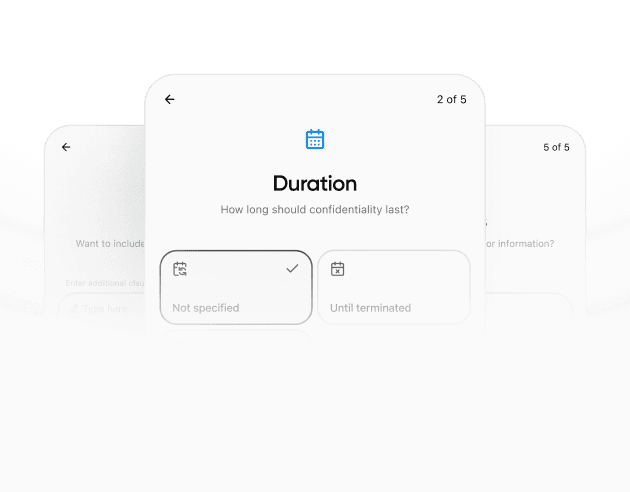
Provide details
The agreement is automatically filled and adapted to your inputs.
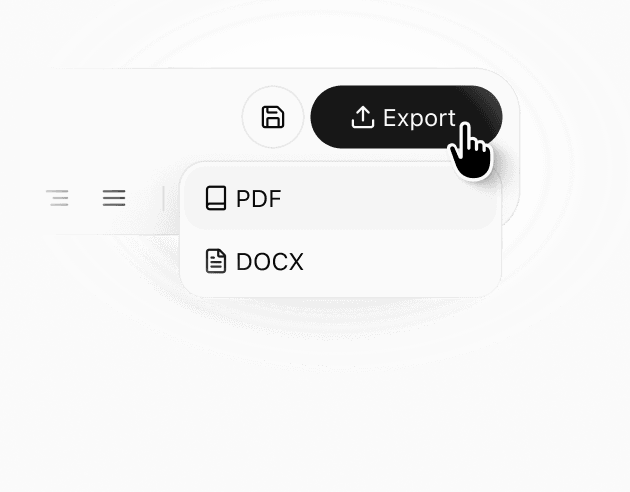
Review & download
Check the generated document, make edits if needed, and download a ready-to-use agreement.
Details
Learn more about
Time and Materials Contract Template – Florida
Florida Time and Materials Contract Template FAQ
How does a budget cap tracker help control a T&M project?
A budget cap tracker gives the client and contractor a shared view of authorized spend, amounts billed to date, and remaining budget before additional approval is needed. In time and materials engagements, costs rise with hours and purchases, so a tracker helps prevent surprises and supports planning. If the contract requires notice when spend reaches a threshold, the tracker provides an objective point of reference. It also helps align invoices to the authorized cap, which can speed up approvals. A simple table can be enough to reduce friction and keep work moving.
Should materials be billed at cost or cost plus markup?
Either approach can work, but the contract should say which method applies and how the client will see supporting documentation. Cost-plus markup is common when the contractor is doing procurement and handling logistics, while at-cost billing may be preferred for projects where the client wants direct pass-through. If markup applies, stating the percentage and the documentation needed, such as receipts or vendor invoices, reduces disputes. Some agreements also require pre-approval above a dollar threshold. The key is transparency so the client can validate costs and the contractor can recover legitimate expenses.
What billing frequency is typical for time and materials work?
Weekly or monthly invoicing is common because it keeps the client informed about spend and gives the contractor predictable cash flow. Weekly billing can reduce backlog and make it easier to review time entries while the work is fresh, while monthly billing may fit better with standard accounting cycles. Whichever frequency is chosen, including a clear billing period and separating labor from materials helps review. If the project is fast-moving, more frequent billing can also support quicker course corrections. The contract should align billing with the client’s internal approval process to avoid delays.
Can a contractor suspend work if invoices are not paid?
Many agreements allow the contractor to pause work after a defined notice period if undisputed amounts remain unpaid. The contract should state how notice is delivered and whether the contractor must keep the site safe and secure during a pause. This helps protect the contractor from continuing to incur labor and materials costs without payment. Clients often prefer that suspension be a last resort, so a short dispute process and partial payment rules can help. Clear suspension terms reduce escalation because both parties know the steps before work stops.
How should equipment or tool rental charges be handled?
If equipment, tools, or software subscriptions are part of project performance, the contract should state whether they are included in labor rates or billed separately as materials or reimbursable expenses. Separating these charges can improve clarity, especially when rentals are time-limited or tied to specific tasks. Requiring receipts or rental agreements as backup helps validate the charge. If the client wants control, the contract can require pre-approval for rentals above a threshold or for long-term subscriptions. Clear categorization prevents surprise line items on invoices.
What if the project has an end date but work is not finished?
If the agreement has a planned end date, the parties can treat it as a target date and allow extension by written approval, or they can tie the term to completion of the defined scope. The contract should clarify which approach applies so there is no confusion at the end of the term. If the work is unfinished, the parties can extend the term, adjust scope, or terminate and close out the file. Defining closeout deliverables and final invoice timing helps the transition. A short extension mechanism can avoid last-minute renegotiations.
Do I need a separate statement of work with a T&M contract?
Not always, but a separate statement of work can be useful when the parties expect multiple phases or multiple work orders under the same rate structure. The contract can set the general terms, while the statement of work defines the specific deliverables, assumptions, and schedule for a particular engagement. This approach can reduce rework because you do not need to renegotiate core terms for each new phase. If you keep everything in one document, the scope section should still be detailed enough to guide billing and approvals.
Similar templates