AI Assisted
Export: PDF & DOCX
Get your custom agreement in minutes
4.8 Rating
Downloaded 2764 times
Get your complete
agreement in minutes
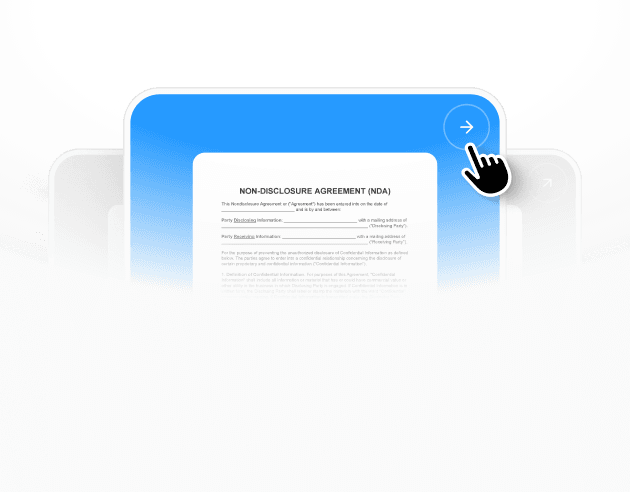
Select a template
Each template already follows legal structure and best practices.
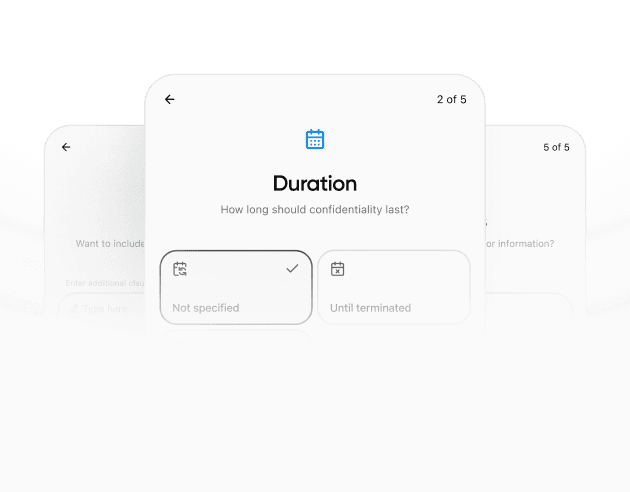
Provide details
The agreement is automatically filled and adapted to your inputs.
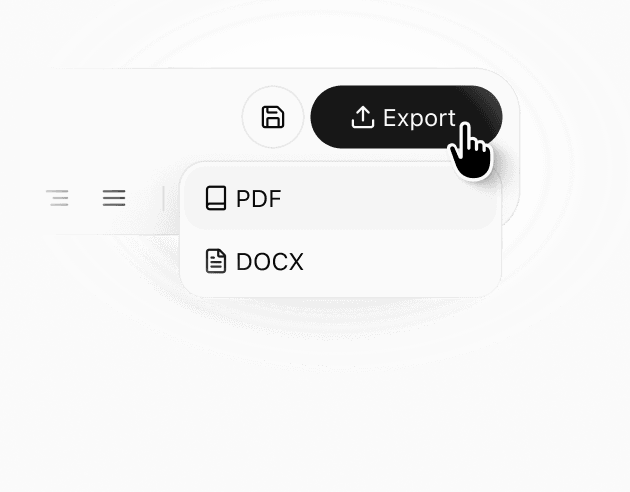
Review & download
Check the generated document, make edits if needed, and download a ready-to-use agreement.
Details
Learn more about
Indemnity Agreement Template – Texas
Texas Indemnity Agreement Template FAQ
What should be in the “scope of indemnity” placeholder for a service provider?
For service providers, scope is clearest when it is tied to the services and the site or project where they are performed. The clause can reference negligence, breach of contract, property damage, bodily injury, or third-party claims connected to the work, but it should also clarify what is outside scope. If subcontractors are involved, you can state whether their acts are treated as the indemnifier’s responsibility. The key is that the clause describes a workable boundary so the parties can evaluate claims without arguing about whether the activity was related. A short activity description module can keep the scope specific without turning the agreement into a long narrative.
How can the agreement address who picks counsel and manages defense?
Defense control is a practical issue that can drive cost and strategy. If the indemnifier controls the defense, the agreement should state that the indemnifier selects counsel and pays defense costs, with the indemnitee retaining the right to participate at its own expense. If the indemnitee needs more control, the agreement can require mutual consent for counsel selection or allow the indemnitee to choose counsel with reimbursement under stated conditions. The agreement should also address reporting and settlement approvals so the defense does not move forward without the necessary coordination. Clear control language reduces duplicated legal work and avoids disputes in the middle of a claim.
Why does the Texas version include a defense management table?
A defense management table captures the operational decisions that are otherwise buried in long paragraphs: who controls defense, who selects counsel, who receives status updates, and what approvals are required for settlement. When a claim arrives, teams can use the table to route it to the correct contact and start the process without re-interpreting the contract. It also reduces delays caused by “we thought you were handling it” misunderstandings. The table does not change the indemnity obligations; it documents how the parties agreed to administer them. In practice, that administration detail can be as important as the indemnity grant itself.
When should the agreement require the indemnitee’s consent to settle?
Consent is most important when settlement terms could impose obligations beyond paying money, such as operational changes, admissions, confidentiality commitments, or future performance requirements. Even a purely monetary settlement can matter if it does not fully release the indemnitee or if it allocates fault in a way that affects other contracts. The agreement can require written consent for settlements that admit fault, include non-monetary terms, or impair rights. Clear triggers avoid arguments about what requires consent and prevent a settlement from being signed that creates new exposure for the indemnitee. A settlement workflow module can also define who gives consent and how it is documented.
How should the limitation of liability be written to avoid internal conflict?
The limitation section should state the cap amount or whether the obligation is unlimited, and it should specify whether defense costs count toward the cap. If there are carve-outs, they should be listed clearly so the reader can see what is inside and outside the cap. Ambiguity often arises when one clause limits liability but another clause promises to cover all costs without referencing the cap. A clean approach is to cross-reference the cap in the indemnity section and again in the limitation section. Consistent drafting makes the intended risk allocation clearer and reduces disputes over whether the cap applies to a particular claim category.
Can AI Lawyer help create a mutual indemnity version?
AI Lawyer can help you convert a one-way indemnity agreement into a mutual format by mirroring the core obligations and then adjusting scope, exclusions, and limitations so they make sense for both parties. You can also add parallel notice and defense procedures so claims are handled consistently regardless of who is indemnifying. You still need to decide whether the mutual obligations are symmetrical or whether one party has broader exposure due to the nature of the work, but a structured template makes those choices explicit. A mutual version is easier to administer when the procedures and contacts are aligned for both sides.
What documents should be kept to support an indemnity tender?
It helps to keep the executed agreement, proof of the effective date, the claim notice received, and a copy of the tender notice sent to the indemnifier. If there are deadlines, keep a record showing when each notice was sent and received. Maintaining a simple claim file with reference IDs can reduce confusion when multiple claims arise under the same agreement. If defense is assumed, documenting counsel assignment and status updates helps show that the process followed the contract. The goal is not excessive paperwork; it is a clear record that the tender was timely and that the parties’ roles were triggered under the agreement as written.
Similar templates