AI Assisted
Export: PDF & DOCX
Get your custom agreement in minutes
4.8 Rating
Downloaded 3266 times
Get your complete
agreement in minutes
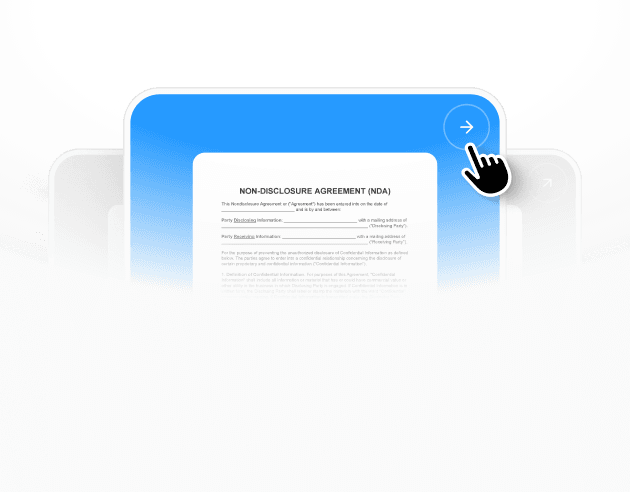
Select a template
Each template already follows legal structure and best practices.
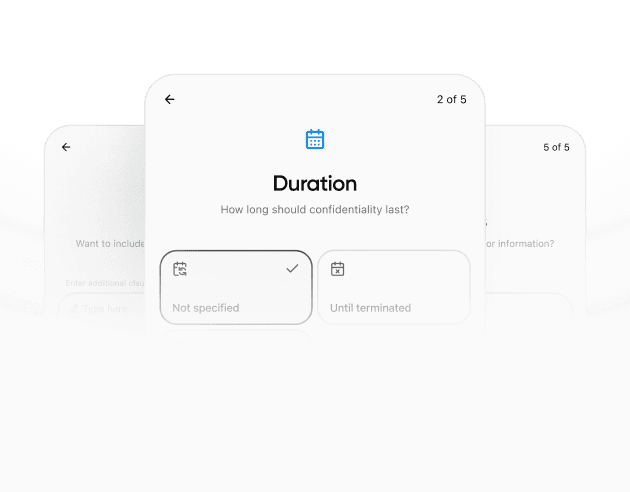
Provide details
The agreement is automatically filled and adapted to your inputs.
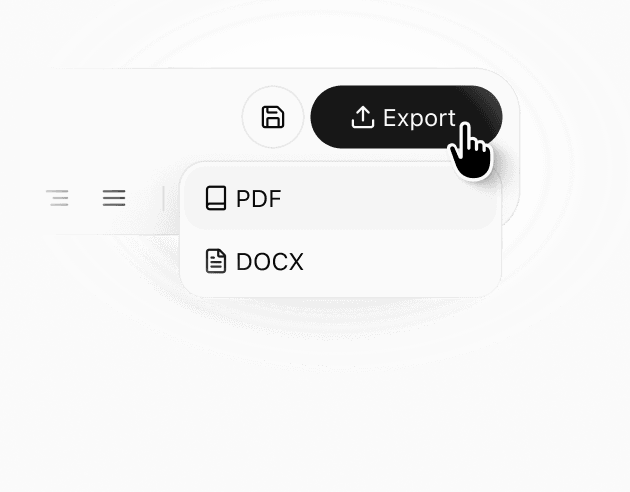
Review & download
Check the generated document, make edits if needed, and download a ready-to-use agreement.
Details
Learn more about
Consulting Agreement Template – Illinois
Illinois Consulting Agreement Template FAQ
What is a work product register and why does it matter?
A work product register is a structured list of key outputs created during the engagement, typically including delivery date, delivery method, and ownership treatment. It helps the parties confirm what was delivered and supports clean closeout if team members change. In consulting projects, disagreements sometimes arise because deliverables exist in multiple versions or were shared across different channels. A register reduces that risk by providing a single reference list. It also supports invoicing and acceptance because the parties can tie payments to recorded deliveries. Keeping a register is a simple administrative step that often prevents misunderstandings later.
How should the agreement address use of subcontractors or specialists?
If the consultant may use subcontractors, the agreement can permit it while keeping the consultant responsible for performance and confidentiality. The clause can require subcontractors to follow the same confidentiality and data handling terms as the consultant. Clients benefit because they know who will have access to sensitive information and who may attend meetings. Consultants benefit because they can bring in specialized expertise to meet deadlines. Clear subcontractor language reduces surprises and helps avoid disputes about whether a third party was authorized to work on the project or to access client systems.
What is the difference between “background materials” and “project work product”?
Background materials are tools, templates, methods, and know-how the consultant developed outside the project. Project work product is what the consultant creates specifically for the client while performing the services. Separating the two lets the client receive usable deliverables without demanding ownership of the consultant's general toolkit. The agreement can define what the client receives, including formats, and it can state whether the client receives a license to any background materials embedded in the deliverables. Clear definitions reduce friction at closeout when files are delivered and questions arise about reuse and ownership.
How can a non-solicitation clause be drafted to avoid misunderstandings?
Misunderstandings happen when a clause is unclear about who is protected and what conduct is restricted. A practical clause identifies the protected groups, such as employees, contractors, or customers, and sets a defined time period. It can also clarify whether it restricts active recruiting versus general advertising. Clear language helps both sides operate normally while respecting the agreed boundary. When the restriction is specific, it is easier to follow and less likely to trigger disputes based on assumptions about ordinary business networking or hiring activity.
What does the “entire agreement” clause actually do?
The entire agreement clause states that the written contract is the complete deal between the parties and replaces prior discussions. This reduces arguments that a side email, proposal, or sales call added extra deliverables or changed pricing. It also supports a clean change process by reinforcing that amendments must be made in writing. In practice, the clause helps manage expectations by keeping commitments in one place, which is especially useful when multiple stakeholders are involved. A well-defined entire agreement clause makes administration easier and can prevent misunderstandings from turning into disputes.
How do you choose governing law if the parties are in different states?
Governing law is the rule set used to interpret the contract. When parties are in different states, they often choose one state for consistency and administration. The agreement can keep this simple by using a placeholder and selecting a state aligned with the client, the consultant, or the primary place of performance. The key is being intentional so both parties know which rules apply if a disagreement arises. Clear governing law selection reduces uncertainty and can avoid delays if the parties later need to interpret terms, negotiate a resolution, or update the agreement.
Similar templates