AI Assisted
Export: PDF & DOCX
Get your custom agreement in minutes
4.8 Rating
Downloaded 4096 times
Get your complete
agreement in minutes
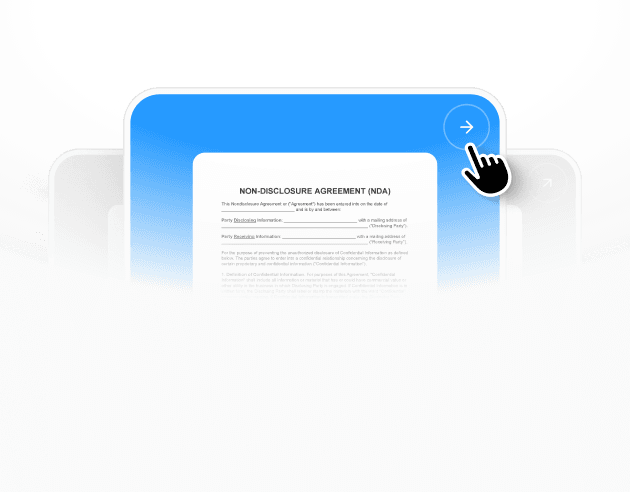
Select a template
Each template already follows legal structure and best practices.
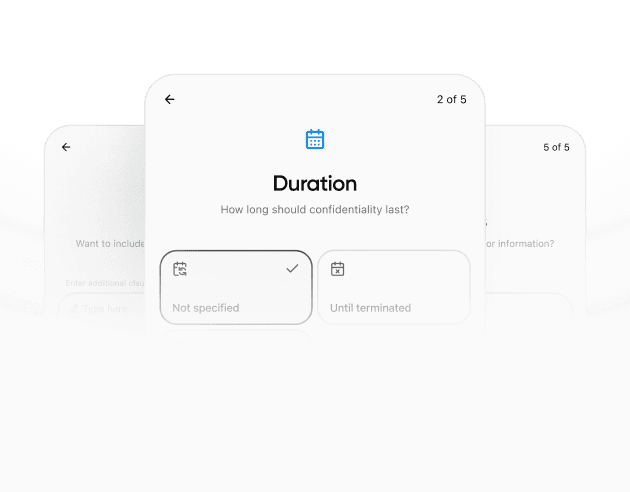
Provide details
The agreement is automatically filled and adapted to your inputs.
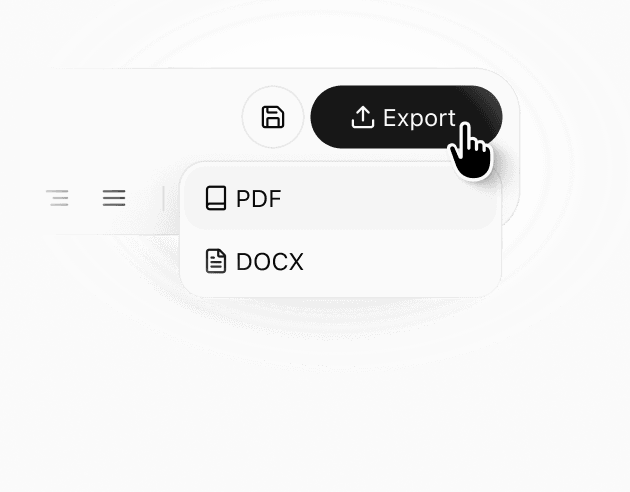
Review & download
Check the generated document, make edits if needed, and download a ready-to-use agreement.
Details
Learn more about
Indemnity Agreement Template – New York
New York Indemnity Agreement Template FAQ
Is an indemnity agreement always part of a larger contract?
It can be either. Many indemnity agreements are standalone documents used to allocate risk for a specific activity, but indemnity terms are also commonly embedded in service agreements, leases, and vendor contracts. A standalone agreement can be useful when the parties want the indemnity to apply across multiple projects or when the underlying contract is short and does not contain risk allocation. Regardless of format, the agreement should identify the covered activity and the parties’ roles so the indemnity is not detached from the context. Clear linkage to a project, location, or scope avoids uncertainty about what the indemnity applies to.
What information should be included in a claim notice to avoid delays?
A claim notice is most effective when it identifies the parties, the incident date, the alleged claimant, the nature of the demand, and any deadlines for response. It should also include the location or project reference and copies or summaries of any written demands received. When the agreement designates a notice address and a specific contact, notices are less likely to get lost. A notice timeline table can help track when the claim was received, when it was forwarded, and when the defense response was tendered. The goal is to create a clear record so the parties can coordinate without re-creating the history from emails later.
Why does this version emphasize defense control and participation rights?
Disputes often arise because one side assumes it controls the defense while the other expects to be consulted. A clear defense clause addresses who selects counsel, who pays defense costs, and how the indemnitee can participate. Participation rights matter because even if the indemnifier controls counsel, the indemnitee may need to monitor strategy that could affect reputation or ongoing business operations. A structured defense section can also define when the indemnitee can choose its own counsel and whether those costs are reimbursable. Clarity here reduces friction and avoids duplicative legal spending caused by misunderstandings about control.
What does “material prejudice” mean in a late-notice provision?
Material prejudice is a way of saying that late notice matters only if the delay actually harms the indemnifier’s ability to respond. The agreement can use the phrase without defining it, or it can define it with examples such as missed deadlines, lost evidence, or loss of a defense opportunity. The point is to avoid a technical forfeiture of coverage for a minor notice delay while still protecting the indemnifier against genuine harm. If the parties want a stricter rule, they can use a hard deadline, but many agreements prefer a prejudice-based approach to keep the result tied to real impact rather than timing alone.
How should settlements be handled when non-monetary terms are involved?
Settlements are not always just about money. A settlement can include admissions, confidentiality terms, changes to operations, or ongoing obligations that affect the indemnitee. If that is a concern, the agreement should require prior written consent for any settlement that includes non-monetary obligations or could impair the indemnitee’s rights. The agreement can also require that any settlement fully releases the indemnitee. Clear settlement consent triggers prevent a situation where a claim is resolved but the indemnitee inherits unexpected obligations or reputational impacts that were never negotiated in the indemnity arrangement.
Should the agreement name specific indemnitees like officers and employees?
Naming covered persons can prevent arguments later about whether protection extends beyond the named entity. Many agreements include the indemnitee’s officers, employees, agents, and sometimes affiliates, but the right scope depends on the activity. If the risk arises from work performed on a site, including on-site personnel may be important. If the activity is limited, the list can be narrower. The key is to match the covered persons to who is actually exposed. A short definition section that lists included persons is often clearer than scattering those references throughout multiple clauses.
When should a limitation amount be used instead of “unlimited”?
A limitation amount can make risk predictable, especially in transactions where the indemnifier’s exposure should be aligned with fees, project value, or insurance limits. Unlimited may be used where the indemnitee will not accept a cap, but it can create uncertainty for the indemnifier. If a cap is used, it should state whether defense costs count toward the cap and whether any categories are excluded from the cap. The goal is to avoid a cap that appears to limit damages but leaves defense costs ambiguous. A clear limitation section helps the parties price and manage risk realistically.
Similar templates