AI Assisted
Export: PDF & DOCX
Get your custom agreement in minutes
4.8 Rating
Downloaded 2314 times
Get your complete
agreement in minutes
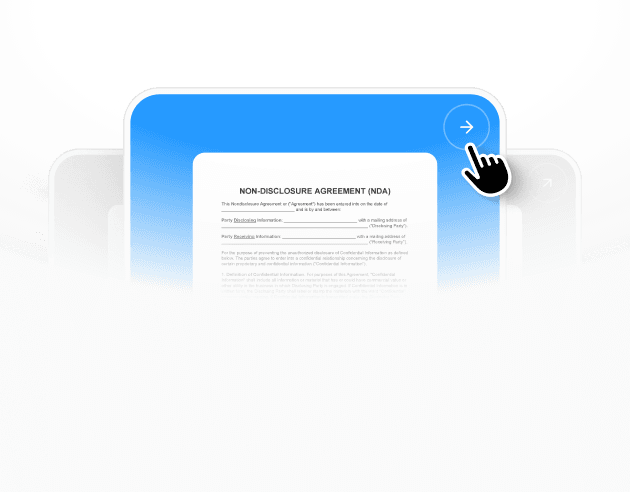
Select a template
Each template already follows legal structure and best practices.
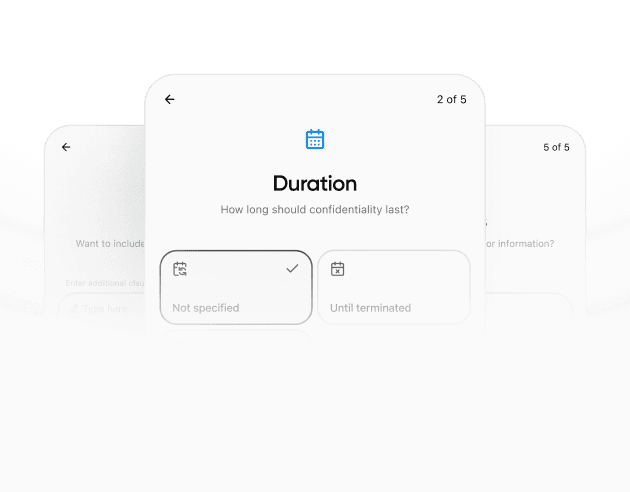
Provide details
The agreement is automatically filled and adapted to your inputs.
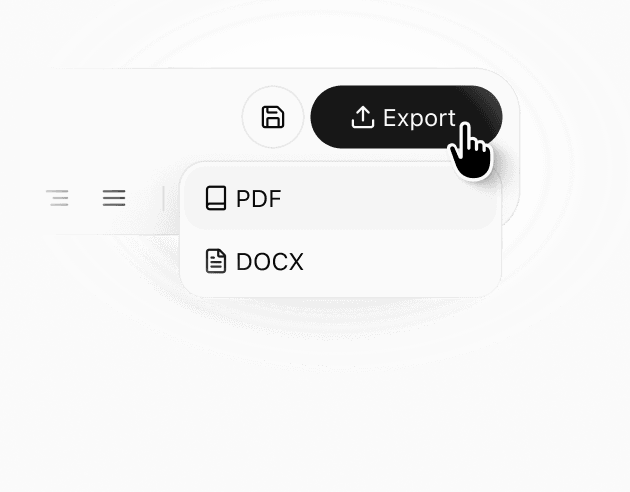
Review & download
Check the generated document, make edits if needed, and download a ready-to-use agreement.
Details
Learn more about
Time and Materials Contract Template – California
California Time and Materials Contract Template FAQ
How is a time and materials contract different from a fixed-price contract?
A time and materials contract pays the contractor based on actual labor time and actual materials used, rather than a single lump-sum price. That can be a better fit when the scope may evolve, discoveries are likely, or the client wants the ability to reprioritize work without renegotiating a full project price. The tradeoff is that cost control depends on strong documentation, clear approvals, and disciplined change management. A rate card, regular invoicing, and transparent backup records help the parties track spend as the work progresses.
What should be included in a labor rate card for transparency?
A labor rate card typically lists each role, the hourly or daily rate, the billing increment, and any after-hours or premium rates if the parties agree to them. Including a short notes column can help clarify whether a role is used for planning, execution, review, or supervision. The more consistently the rate card is used, the easier it is to validate invoices and forecast total cost. If multiple people may perform the work, keeping the rate card role-based helps avoid confusion when staffing changes during the project.
How should materials markups be handled to avoid disputes?
Markups are easiest to manage when the contract states the markup method clearly and the invoice ties each material cost to a receipt or reference ID. Some projects use a single percentage across all materials, while others differentiate between standard items and special-order items. If the client expects pre-approval for larger purchases, the contract should reflect that threshold and the approval method. Clear receipt tracking reduces arguments about whether a cost was actually incurred and whether it is properly chargeable to the project.
What records should the contractor provide with invoices?
Invoices are smoother when they include time records that show who worked, the date, the hours, and a task description tied to the scope. For materials, providing receipts or vendor invoices and a clear mapping to the charged line item helps validate the pass-through cost and any agreed markup. If the project uses a ticketing system, including ticket IDs or work order references can make review faster. Consistent documentation also helps the client forecast spend and catch issues early rather than after multiple billing cycles.
Can a client require written approval before work starts or expands?
Yes. Many time and materials engagements require a written authorization to start and then require written approval for changes that affect scope, rates, schedule, or a not-to-exceed amount. The goal is to make approvals easy to track, not to slow the project down. A simple approval method can be a signed change order, a countersigned work order, or an email approval captured by reference ID. Clear approval rules help both parties understand what work is authorized and what is still pending.
What happens if the agreement is terminated before the work is finished?
Most time and materials contracts allow either party to terminate with written notice, with the client paying for labor performed and materials purchased up to the effective termination date. To reduce friction, the contract should state how final invoicing works, what documentation is required, and whether any prepaid amounts will be reconciled. If the contractor has non-cancelable material orders, it is common to address how those costs will be handled. A clear closeout process helps preserve records and transfer work product as needed.
Can AI Lawyer help tailor a time and materials contract to my project workflow?
AI Lawyer can help you generate a clean time and materials contract that matches how your team actually approves work, reviews timesheets, and validates materials costs. For example, you can add a role-based rate card, set a preferred billing cadence, and include a structured change order register so approvals are documented consistently. You still control the commercial terms and internal policies, but a consistent template can reduce invoice disputes and shorten review cycles. The end result is usually a clearer workflow for both the client and contractor.
Similar templates