AI Assisted
Export: PDF & DOCX
Get your custom agreement in minutes
4.8 Rating
Downloaded 4211 times
Get your complete
agreement in minutes
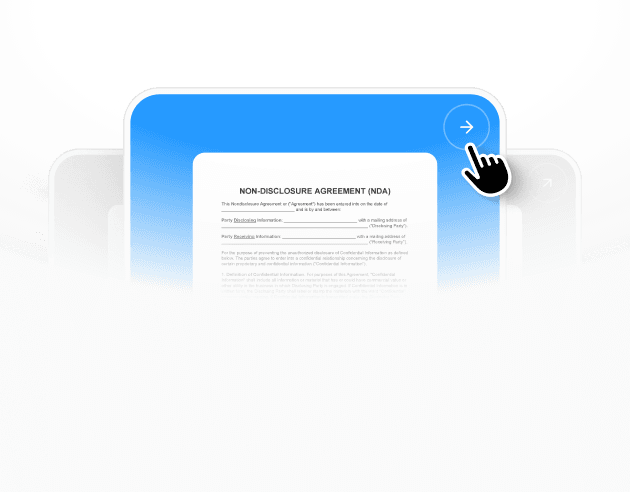
Select a template
Each template already follows legal structure and best practices.
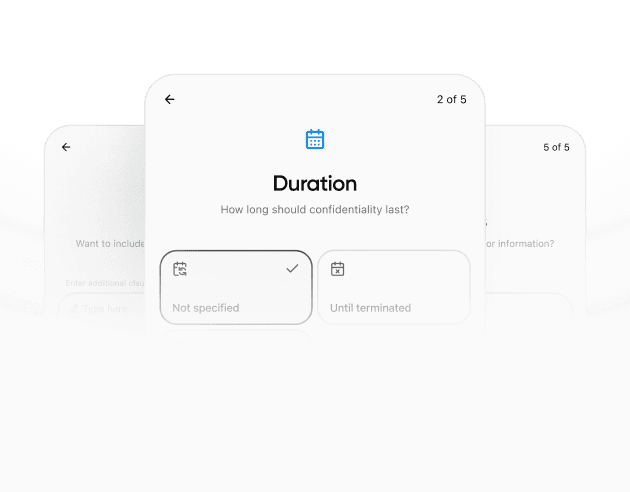
Provide details
The agreement is automatically filled and adapted to your inputs.
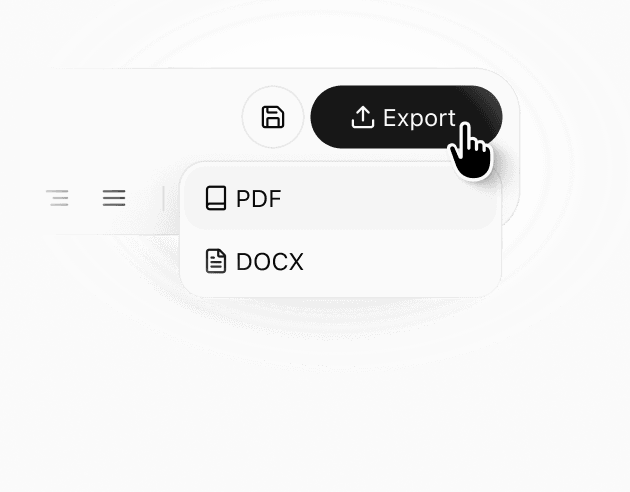
Review & download
Check the generated document, make edits if needed, and download a ready-to-use agreement.
Details
Learn more about
Indemnity Agreement Template – Illinois
Illinois Indemnity Agreement Template FAQ
What does the gross negligence or willful misconduct carve-out accomplish?
A carve-out clarifies that the indemnity does not apply when the indemnitee’s conduct reaches a stated level of wrongdoing. The intent is to prevent risk shifting for behavior the indemnifier did not cause and did not agree to absorb. Carve-outs also help the parties understand the boundary between normal operational risk and conduct that should remain with the party who committed it. Because the agreement uses defined terms, it is helpful to keep the carve-out tied to the indemnitee’s own conduct rather than vague labels. Clear carve-outs reduce disputes when a claim alleges mixed responsibility, because the parties can focus on whether the alleged conduct fits the stated exclusion.
Why might an agreement include an encumbrance-style matrix for related obligations?
Indemnity obligations often interact with other commitments, such as insurance, safety procedures, or third-party agreements. A structured matrix can list whether such obligations exist, what documents govern them, and where they are recorded, so the parties do not overlook them when a claim arises. The matrix format helps keep the core indemnity language short while still capturing practical dependencies. It also improves handoffs between legal and operations teams, because staff can quickly locate referenced documents. The goal is not to add new obligations; it is to create a map of what the parties already rely on so claim administration is faster and less error-prone.
How should the agreement handle third-party claims versus direct claims between the parties?
Some indemnity agreements cover only third-party claims, while others also cover certain direct losses between the parties. The scope section should state which approach applies. If the intent is third-party claims only, the agreement can define Claim as a third-party demand, suit, or proceeding. If direct losses are included, the agreement should describe the categories clearly so it does not become an all-purpose reimbursement clause. The notice and defense sections also need to align with the chosen scope, because defense obligations make the most sense in third-party litigation. Clear scope avoids confusion about whether routine contract disputes are being treated as indemnity tenders.
What is the purpose of a corrective actions log in an indemnity agreement?
A corrective actions log is a practical tool for tracking agreed remediation steps after an incident, such as securing a site, repairing damage, or implementing safety measures. While indemnity focuses on shifting financial responsibility, many real-world claims also require operational follow-through. A short log table can capture the action, the owner, the due date, and the status, creating a record of what was done and when. This can reduce disputes about whether mitigation occurred and can help coordinate between the parties during a claim. The log does not change liability; it records actions that may reduce ongoing risk and support orderly claim handling.
How should “defense” be coordinated if the claim involves multiple parties?
When multiple parties are involved, the agreement’s defense clause should clarify who can assume control and how the indemnitee participates. If the indemnifier controls defense, it should still provide status updates and obtain required settlement approvals. If the indemnitee chooses to participate with separate counsel, the agreement should state whether those costs are at the indemnitee’s expense unless otherwise agreed. Clear coordination terms reduce duplicated efforts and conflicting strategies. A simple counsel coordination block can also name the primary contact and the reporting cadence. The goal is a workable process that keeps the defense unified while still protecting the indemnitee’s interests.
What should be stated about duration and survival of indemnity obligations?
Duration should specify when the agreement starts and what event or date ends it, such as completion of services, return of property, or a stated end date. Survival language can clarify whether the indemnity continues for claims arising from acts that occurred during the term, even if the claim is made later. Without survival clarity, parties may dispute whether obligations ended when the contract ended. A simple approach is to state that the indemnity applies to claims arising out of covered activities occurring during the term, regardless of when the claim is asserted, subject to any stated termination event. Clear duration terms make the risk horizon predictable for both sides.
Should this agreement be mutual or one-way?
Whether indemnity should be mutual depends on who is creating the risk. In some relationships, one party performs work or uses property and creates most exposure, making a one-way clause practical. In other relationships, both sides contribute to risk, and mutual indemnity can be appropriate. The key is to match the allocation to the operational reality and to ensure procedures are workable for both directions if mutual. If mutual indemnity is used, the agreement should mirror notice, defense, and settlement rules so each party knows what to do when a claim is tendered. A mismatched mutual clause can create administrative confusion because the procedures only make sense in one direction.
Similar templates