AI Assisted
Export: PDF & DOCX
Get your custom agreement in minutes
4.8 Rating
Downloaded 3550 times
Get your complete
agreement in minutes
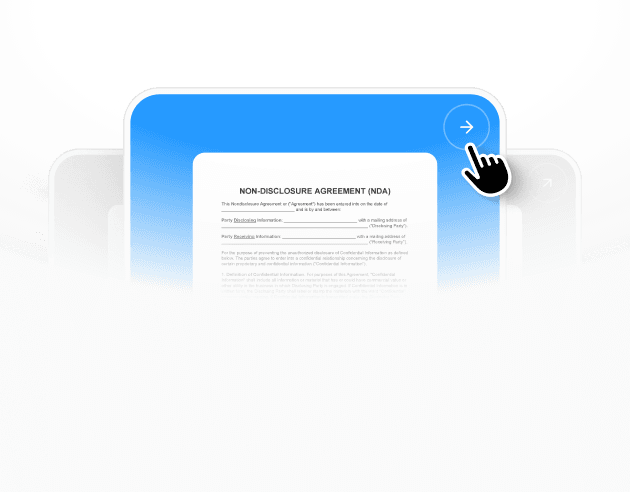
Select a template
Each template already follows legal structure and best practices.
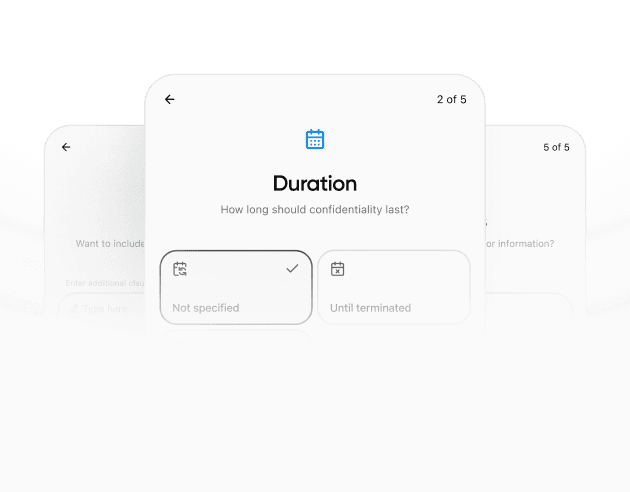
Provide details
The agreement is automatically filled and adapted to your inputs.
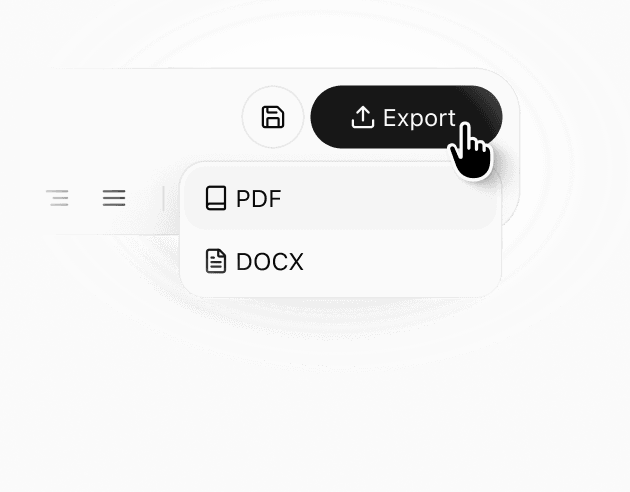
Review & download
Check the generated document, make edits if needed, and download a ready-to-use agreement.
Details
Learn more about
Time and Materials Contract Template – Illinois
Illinois Time and Materials Contract Template FAQ
Why is a materials log useful in a time and materials agreement?
A materials log gives a clear line-by-line record of what was purchased, when it was purchased, what it cost, and how it was billed. That level of detail can reduce disputes because the client can match invoice line items to receipts and confirm that markup was applied as agreed. A log is especially helpful when many small items are purchased over time or when multiple team members are buying materials. It also supports internal audit and project forecasting. Keeping the log in a consistent format makes invoice review faster and more predictable.
How should receipts and vendor invoices be tied to billed materials?
The cleanest approach is to assign a reference ID to each receipt or vendor invoice and include that reference on the billed line item. This creates a direct link between the supporting document and the charge, which speeds up review and reduces follow-up questions. If a single vendor invoice covers multiple items, the contract can require a brief allocation note so the client understands how the cost was split. Consistent reference IDs also help when documents are stored in a shared repository. The goal is traceability without adding unnecessary narrative.
Can the client require pre-approval for materials over a certain amount?
Yes. Many contracts set a threshold above which materials purchases require written approval from a named client representative. This gives the client budget control while allowing routine items to be purchased without delay. If the threshold applies, the contract should state how approval is documented and what happens in urgent situations. The contractor should also know whether approvals can be given by email or must be signed. Clear thresholds reduce frustration because both sides understand when procurement is routine and when it requires a check-in.
What is the best way to handle invoice questions without delaying everything?
A practical dispute process separates undisputed amounts from questioned line items. The client can identify specific entries and request backup within a defined period, and the contractor can respond with supporting records or corrections. Paying undisputed portions on time keeps the project relationship stable while questions are resolved. The contract can also set a short window for raising invoice issues to prevent disputes from surfacing months later. Clear steps reduce escalation because the workflow is defined and repeatable. This approach is especially effective when invoices include consistent reference IDs.
How can closeout be handled when work ends mid-cycle?
Closeout is smoother when the contract defines final deliverables, return of client property, and a final invoice timeline. For time and materials, the final invoice should include all time and materials through the closeout date and should reference supporting records like timesheets and receipts. If the client needs transfer of work product or access credentials, including those items in the closeout section can prevent last-minute disputes. A brief completion confirmation can also clarify that the contractor’s billing period has ended. Defined closeout steps help avoid lingering administrative work.
Does a T&M contract automatically give the client ownership of work product?
Not automatically. Ownership depends on what the contract says about work product, deliverables, and intellectual property. Some agreements assign ownership of project-specific deliverables to the client upon payment, while allowing the contractor to retain pre-existing tools, templates, and know-how. If ownership matters, the contract should define what is being assigned and what is excluded. Clarity prevents later disputes about whether the client can reuse materials or whether the contractor can reuse general methods. A short IP clause can make expectations clear without adding complexity.
What role does confidentiality play in time and materials projects?
Confidentiality is often critical because the contractor may access business information, systems, customer data, or internal processes while performing the work. A confidentiality clause sets expectations about how information is handled and whether it can be shared with subcontractors or vendors. It can also define what information is excluded, such as publicly available data or information already known to the recipient. Even in short projects, a basic confidentiality clause reduces risk and helps the client feel comfortable sharing what is needed to complete the work.
Similar templates