
What is an Answer to Complaint?
An Answer to Complaint is a formal written response filed by a defendant in a lawsuit, addressing each allegation made in the plaintiff’s complaint and setting forth any defenses.

This Answer to Complaint (“Answer”) is filed in the [Name of Court], [Jurisdiction], by the Defendant in response to the Complaint filed by the Plaintiff.
Plaintiff: [Full Legal Name]
Defendant: [Full Legal Name]
Case Number: [Case Number]
The Defendant submits this Answer to the allegations set forth in the Complaint and asserts any defenses available under applicable law.
The Defendant responds to the Complaint as follows:
Paragraph 1: [Admit / Deny / Lack sufficient information to admit or deny].
Paragraph 2: [Admit / Deny / Lack sufficient information to admit or deny].
Paragraph 3: [Continue for each numbered paragraph in the Complaint].
Paragraph 1: [Admit / Deny / Lack sufficient information to admit or deny].
Paragraph 2: [Admit / Deny / Lack sufficient information to admit or deny].
Paragraph 3: [Continue for each numbered paragraph in the Complaint].
Without admitting any liability, the Defendant asserts the following affirmative defenses:
Failure to state a claim upon which relief can be granted.
Lack of subject matter jurisdiction.
Statute of limitations has expired.
Plaintiff’s own negligence contributed to damages.
Any additional defenses as applicable.
Failure to state a claim upon which relief can be granted.
Lack of subject matter jurisdiction.
Statute of limitations has expired.
Plaintiff’s own negligence contributed to damages.
Any additional defenses as applicable.
If applicable, the Defendant asserts the following counterclaims against the Plaintiff:
The Defendant respectfully requests that the Court:
Dismiss the Complaint with prejudice.
Award costs and attorney’s fees to the Defendant.
Grant any further relief deemed just and proper.
Dismiss the Complaint with prejudice.
Award costs and attorney’s fees to the Defendant.
Grant any further relief deemed just and proper.
I, the undersigned Defendant, certify that the statements made in this Answer are true and correct to the best of my knowledge and belief.
I certify that a copy of this Answer was served on the Plaintiff or Plaintiff’s counsel on [Date] by [Method of Service, e.g., mail, personal delivery].
Defendant Signature: ____________________________ Date: _________
Printed Name: _________________________________________
Defendant Attorney (if applicable): ________________________ Date: _________
Printed Name: _________________________________________
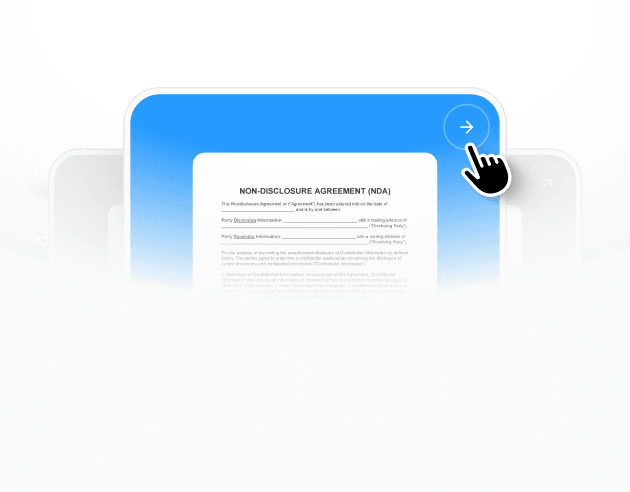
Each template already follows legal structure and best practices.
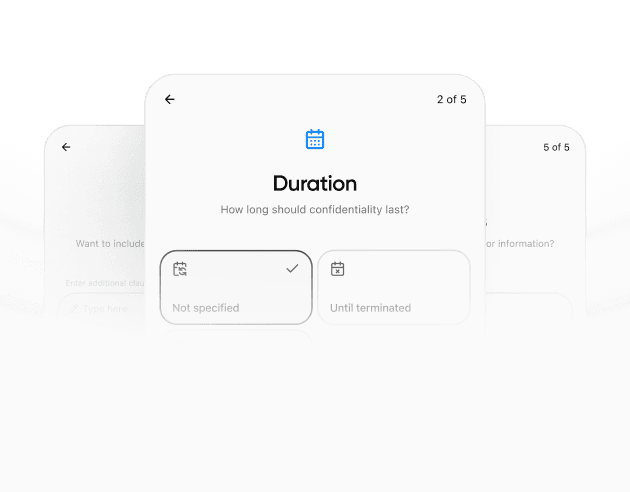
The agreement is automatically filled and adapted to your inputs.
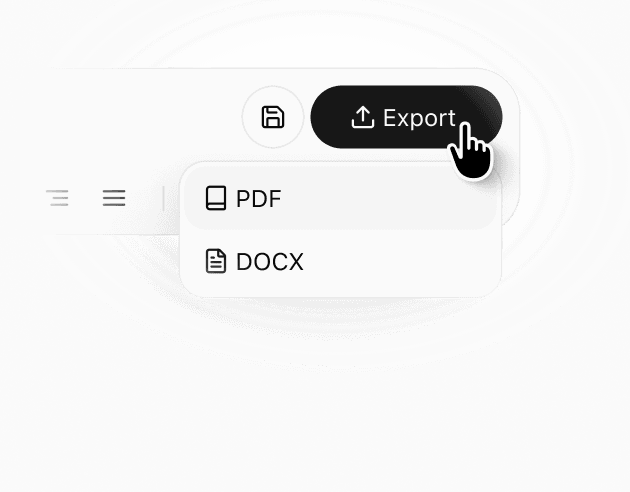
Check the generated document, make edits if needed, and download a ready-to-use agreement.
Click below for detailed info on the template.
For quick answers, scroll below to see the FAQ.
Frequently asked
An Answer to Complaint is a formal written response filed by a defendant in a lawsuit, addressing each allegation made in the plaintiff’s complaint and setting forth any defenses.
It preserves the defendant’s legal rights by preventing a default judgment and ensures that the defendant’s side of the case is formally entered into the court record.
An Answer must typically be filed within a specific period after being served with the complaint, often 20–30 days, depending on jurisdiction. Failure to file on time can result in losing the case by default.
It should include admissions or denials of each allegation, affirmative defenses, potential counterclaims, and a request for relief such as dismissal of the case or attorney’s fees.
Yes, affirmative defenses such as statute of limitations, lack of jurisdiction, or failure to state a claim can be included to strengthen the defense strategy.
In a Texas district or county court, the written answer is due by 10:00 a.m. on the Monday after 20 days have passed since service, under Texas Rule of Civil Procedure 99(b). If the 20th day falls on a Thursday, for instance, the answer is due the following Monday morning. In justice court, outside eviction cases, Rule 502.5 requires the answer by the end of the 14th day after service. The citation itself repeats the deadline rule that applies, so read it first. In Texas the plaintiff's filing is called a petition, not a complaint. AI Lawyer's first draft answers each numbered paragraph of the petition, and you then compare it with your court's rules before filing.
 SPONSORSHIP AGREEMENT This Sponsorship Agreement (“Agreement”) is entered into on [Effective Date], by and between: Sponsor: [Full Legal Name], with principal business… B2B Legal Documents
  Master Service Agreement (MSA) This Master Service Agreement (“Agreement”) is entered into on [Date], by and between: • Service Provider: [Company Name], located at [Address]. • Clien… B2B Legal Documents
  This Master Supply Agreement (the “Agreement”) is entered into as of [Effective Date] by and between: Buyer: [Buyer Legal Name], with an address at… B2B Legal Documents
  Supply Agreement This Supply Agreement (“Agreement”) is entered into on [Date], by and between: • Supplier: [Company Name], with a principal place of business at… B2B Legal Documents
  Location Release Agreement Template This Location Release Agreement (“Agreement”) is entered into on [Date], by and between: Property Owner/Representative: Name: __________________________… B2B Legal Documents
  Purchase Order Terms and Conditions Template These Purchase Order Terms and Conditions (“Terms”) apply to all purchase orders (“POs”) issued by [Buyer Company Name] (“Buyer”) to suppliers… B2B Legal Documents
  Mutual Termination Agreement Template This Mutual Termination Agreement (“Agreement”) is made on [Date], by and between: Party A: [Full Legal Name / Company Name] Address: [Address] Contact… B2B Legal Documents
  This Share Transfer Agreement (“Agreement”) is made as of [Date of Agreement]. Parties Transferor (Current Shareholder) Full Legal Name: [Transferor… B2B Legal Documents
  This Exclusive Trademark License Agreement (the “Agreement”) is entered into as of [Effective Date] by and between: Licensor (Owner): [Licensor Legal… B2B Legal Documents
  Arbitration Submission Agreement Template This Arbitration Submission Agreement is made on [Date] by and between: Party 1: [Full Name / Company Name] Address: [Address] Party 2: [Full Name /… B2B Legal Documents
  Architect Services Agreement Template This Architect Services Agreement (“Agreement”) is made on [Date], by and between: Client: Name: __________________________ Address: ____________________… B2B Legal Documents
  Affiliate Agreement Template This Affiliate Agreement (“Agreement”) is entered into on [Date], by and between: Company (Merchant): [Full Legal Name / Company Name] Address: [Address… B2B Legal Documents
  Artist Management Agreement Template This Artist Management Agreement is made on [Date] by and between: Artist: [Artist Full Name / Stage Name] Address: [Address] Manager: [Manager Full… B2B Legal Documents
  Advertising Agency Agreement Template This Advertising Agency Agreement (“Agreement”) is entered into on [Date], by and between: Client: Name/Company: __________________________ Address… B2B Legal Documents
  Asset Purchase Agreement Template This Asset Purchase Agreement (“Agreement”) is made effective as of [Date], by and between: Seller: [Full Legal Name / Company Name] Address: [Address] C… B2B Legal Documents
  Accounting Consulting Agreement Template This Accounting Consulting Agreement is made on [Date] by and between: Client: [Company Name] Address: [Address] Consultant: [Consultant Name /… B2B Legal Documents
  Assignment and Assumption Agreement Template This Assignment and Assumption Agreement (“Agreement”) is entered into on [Date], by and between: Assignor: [Full Legal Name / Company Name] Address… B2B Legal Documents
  Work for Hire Agreement Template This Work for Hire Agreement is made on [Date] by and between: Client: [Full Name / Company Name] Address: [Address] Contractor / Creator: [Full Name /… B2B Legal Documents
  This Assignment of Asset Purchase Agreement (“Agreement”) is made as of [Date of Agreement] (the “Effective Date”). Parties Assignor: Full Legal Name… B2B Legal Documents
  White Label Agreement Template This White Label Agreement (“Agreement”) is entered into on [Date], by and between: Provider/Manufacturer: [Full Legal Name / Company Name] Address… B2B Legal Documents
  Assumed Liabilities Schedule to Asset Purchase Agreement dated [APA Date] by and among [Buyer Legal Name], [Seller Legal Name], and [Other Parties… B2B Legal Documents
  Wedding Photography Contract Template This Wedding Photography Contract (“Agreement”) is entered into on [Date], by and between: Photographer: [Full Legal Name / Studio Name] Address: [Addre… B2B Legal Documents
  Attorney Engagement Letter Template [Law Firm Name] [Address] [City, State, ZIP Code] [Email Address] [Phone Number] Date: [Date] To: [Client Full Name / Company Name] [Address] [City, State… B2B Legal Documents
  Warranty Agreement Template This Warranty Agreement (“Agreement”) is entered into on [Date], by and between: Warrantor (Seller/Provider): [Full Legal Name / Company Name] Address… B2B Legal Documents