AI Assisted
Export: PDF & DOCX
Get your custom agreement in minutes
4.8 Rating
Downloaded 2689 times
Get your complete
agreement in minutes

Select a template
Each template already follows legal structure and best practices.
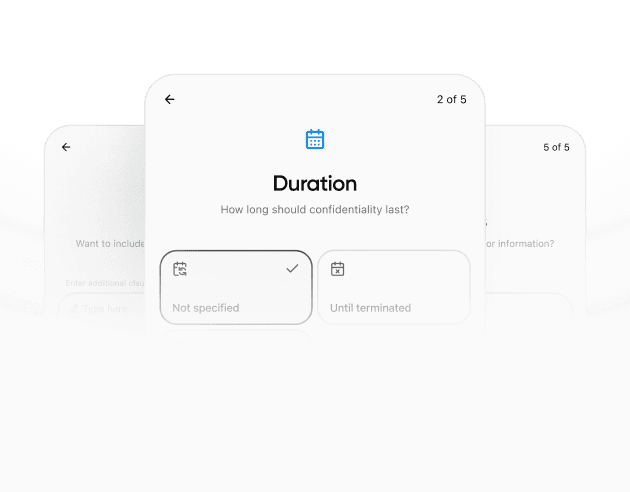
Provide details
The agreement is automatically filled and adapted to your inputs.
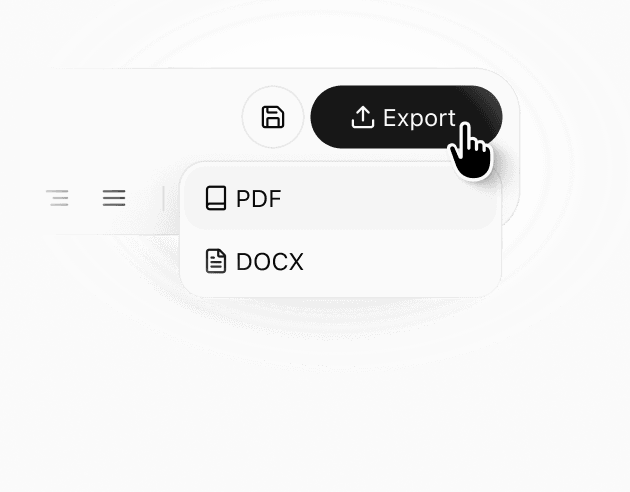
Review & download
Check the generated document, make edits if needed, and download a ready-to-use agreement.
Details
Learn more about
White Label Agreement Template – Texas
Texas White Label Agreement Template FAQ
Should a white label agreement be exclusive?
Exclusivity can be useful when a reseller is investing heavily in marketing or when a provider wants a single brand presence in a territory. But exclusivity also creates risk if sales do not meet expectations or if the reseller needs additional supply options. If you choose exclusivity, define the territory and channels carefully and consider tying exclusivity to performance metrics or minimum commitments. If you stay non-exclusive, you can still protect key accounts or industries by listing restricted segments and channel rules so both sides understand where the reseller can and cannot sell.
How do volume tiers and discounts get documented?
Discounts work best when they are measurable and time-bound. A tier table can specify the measurement period (monthly, quarterly, annually), what counts toward volume (units shipped, subscriptions started, usage), and which SKUs or services are included. It should also say whether the discount applies retroactively to all units in the period or only to units above a threshold. Clear measurement rules reduce end-of-period pricing disputes and help the reseller forecast margins without guessing how invoices will be calculated.
What’s the safest way to handle customer support when the provider is behind the scenes?
The reseller typically owns front-line support to preserve the brand experience, but the provider often needs to solve technical issues, defects, or fulfillment failures. A good agreement defines an escalation channel, the diagnostic information required, and response targets. If the provider needs temporary access to systems or environments, specify permitted access methods, timing windows, and logging requirements. This keeps customer data exposure limited while still allowing the provider to resolve problems quickly. AI Lawyer can help you draft support boundaries that keep roles clear without locking you into unrealistic service promises.
Can the reseller appoint sub-resellers, affiliates, or distributors?
It can, but only if the agreement allows it and sets conditions. Providers often want visibility into who is selling their product under the reseller’s brand, because sub-resellers can impact reputation, quality claims, and support volume. Common controls include written approval, flow-down obligations (confidentiality, brand rules, restrictions), and reporting of sub-reseller activity. If sub-resellers are allowed in online channels, marketplace rules are especially important so listings remain consistent and unauthorized product variations do not appear under the brand.
What warranties are reasonable for pre-built white label products or services?
Most providers warrant that the product or service will materially conform to documented specifications for a defined period, with remedies limited to repair, replacement, re-performance, or refund. Resellers should avoid vague “all-purpose” warranties that create broad exposure for things outside the provider’s control, like the reseller’s marketing claims or customer configuration choices. If the reseller needs higher assurance, it can negotiate acceptance criteria, QA documentation, or service-level commitments in schedules, rather than expanding the core warranty language beyond what can be verified.
How should price changes be handled mid-term?
Price-change clauses should balance provider flexibility with reseller stability. A practical approach is advance written notice, a clear effective date, and a rule that changes apply only to new orders after that date. If the reseller sells fixed-price customer contracts, you can add a limited price lock for committed volumes or a short grandfathering window. The agreement can also distinguish between base price changes and pass-through costs like shipping or third-party usage fees, which may fluctuate even when base pricing stays the same.
What records should each side keep for orders, invoices, and fulfillment?
At minimum, both sides should retain order confirmations, shipment or provisioning records, invoice history, and any approved changes to pricing or scope. If disputes arise, the question is often “what was ordered and when,” not just “what was paid.” A shared reference system — order IDs, SKU versions, and delivery timestamps — makes reconciliation much easier. If you are using volume tiers, keep the data that supports the tier calculation. Consistent recordkeeping reduces friction and helps both parties resolve issues without escalating to formal disputes.
Similar templates