AI Assisted
Export: PDF & DOCX
Get your custom agreement in minutes
4.8 Rating
Downloaded 3547 times
Get your complete
agreement in minutes
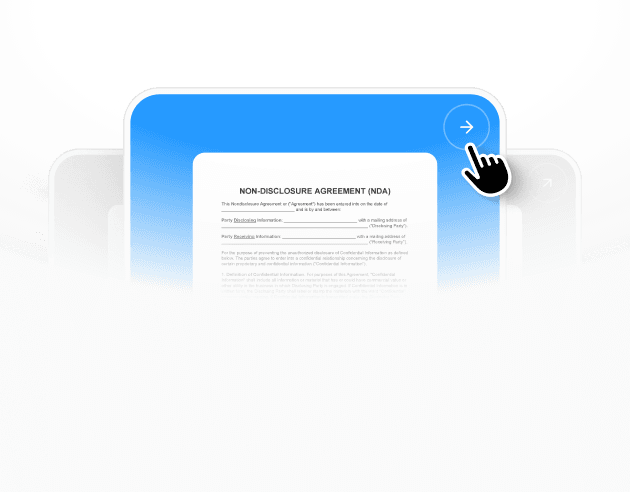
Select a template
Each template already follows legal structure and best practices.
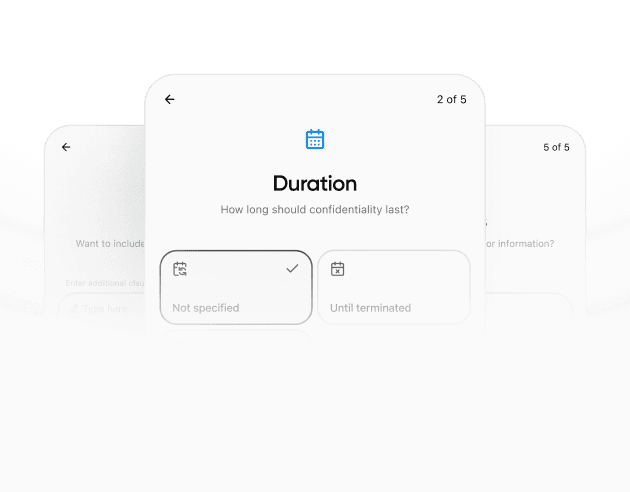
Provide details
The agreement is automatically filled and adapted to your inputs.
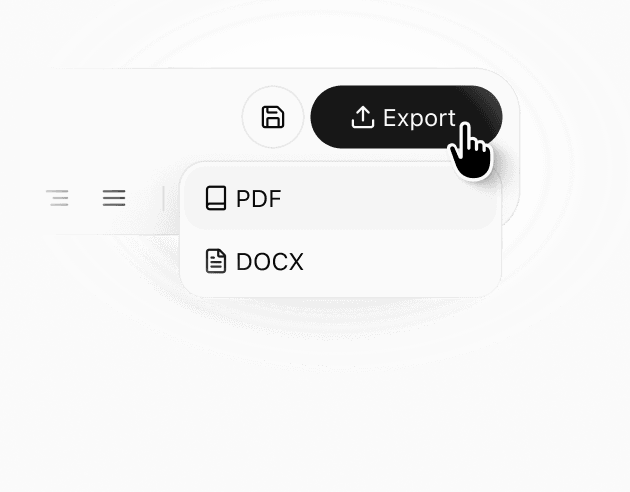
Review & download
Check the generated document, make edits if needed, and download a ready-to-use agreement.
Details
Learn more about
White Label Agreement Template – Florida
Florida White Label Agreement Template FAQ
What belongs in Schedule A, Schedule B, and Schedule C?
Schedules work best when each one has a clear purpose. Schedule A usually lists what is being supplied — products, SKUs, service packages, or deliverables — so the scope is not buried in the main contract. Schedule B typically holds pricing, billing cadence, taxes or shipping treatment, and any tier or discount rules. Schedule C is often where support boundaries live, such as escalation paths, response targets, or technical documentation commitments. Keeping details in schedules makes updates easier while the core agreement stays stable.
How does an onboarding timeline help a white label launch?
White label launches often slip because branding inputs, approvals, and provisioning steps are handled informally. A timeline turns those moving parts into named milestones with target dates and ownership. It also reduces “silent” blockers by listing dependencies—like receiving brand guidelines before packaging is finalized. If you pair milestones with an acceptance method (email approval, ticket closure, portal sign-off), you reduce later disputes about whether something was actually approved for release. The result is faster coordination and fewer last-minute changes that create customer-facing inconsistencies.
Who is responsible for customer-facing statements and marketing claims?
Even when the provider supplies the underlying product, the reseller usually controls marketing copy, claims, and customer communications. That makes it important to define what information the provider will provide (specifications, limitations, known constraints) and what the reseller must not claim beyond that. If approvals are required for technical statements, the agreement can require a designated approval contact or process. Clear allocation of responsibility helps avoid a situation where a customer dispute is triggered by marketing promises that the product was never designed to meet.
What if delivery times or service availability fluctuate?
If timing matters, put the expectations in writing. For physical goods, that may mean lead-time ranges and a process for backorders or substitutions. For services, it may mean availability targets, maintenance windows, and how incidents are communicated. If remedies are provided, define them as credits, re-performance, or another measurable response, and specify any exclusions. The goal is not perfection; it is predictability and a shared process for when expectations are missed so customer relationships do not suffer.
How should customer data access and credentials be handled?
Behind-the-scenes access can be a sensitive point in white label relationships. The agreement should define roles that can access customer data, how credentials are issued, and how access is logged. If the provider needs access for support, limiting access windows and requiring audit logs can reduce risk. It’s also important to address what happens at termination — whether data is returned, deleted, or archived, and how long records are retained. Clear credential rules protect customers and help both parties demonstrate responsible handling of information.
What is a wind-down period and why include it?
A wind-down period is a short transition window after termination to handle open orders, deliver final deliverables, and avoid abrupt customer disruption. It can define whether the reseller may continue selling existing inventory, how support requests are handled, and how brand assets or credentials are removed. Without a wind-down plan, parties often argue about obligations that continue after termination, especially when customers are mid-contract. A defined transition reduces confusion, keeps end users informed, and limits the chance that either party damages the other’s brand at the end of the relationship.
Can the reseller rebrand packaging, documentation, or the user interface?
Usually yes, but the agreement should specify what can be rebranded and what must remain unchanged. Packaging and documentation may require approvals, and product interfaces may have technical constraints that limit certain branding changes. If the provider prohibits use of its marks, the contract should ensure the reseller’s brand appears in the right places while still respecting underlying IP restrictions. If the reseller needs deeper customization, consider separating “white label” branding from paid customization deliverables so each is priced, approved, and accepted on its own terms.
Similar templates