AI Assisted
Export: PDF & DOCX
Get your custom agreement in minutes
4.8 Rating
Downloaded 2898 times
Get your complete
agreement in minutes
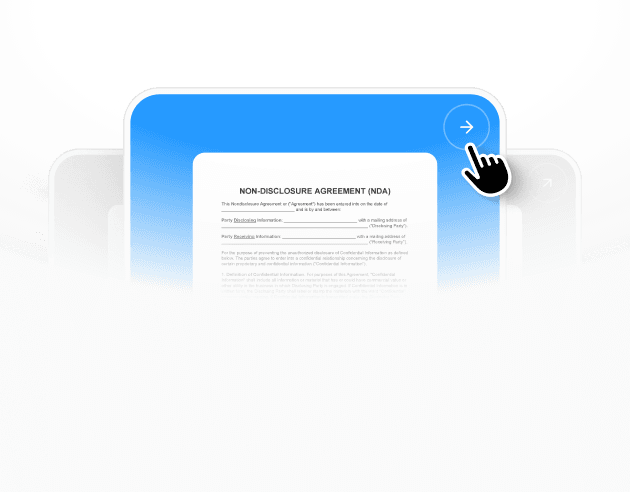
Select a template
Each template already follows legal structure and best practices.
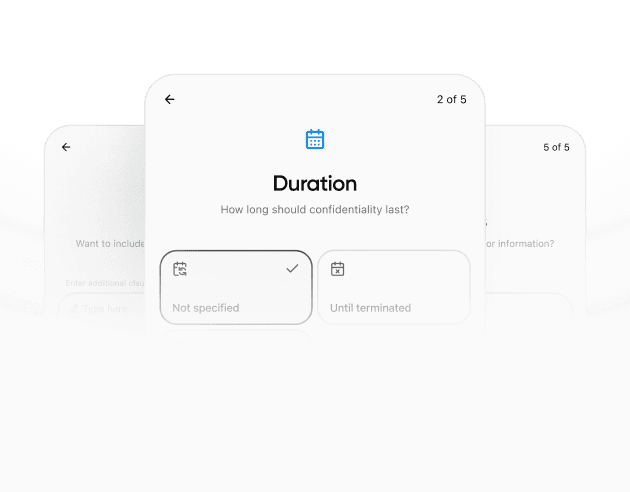
Provide details
The agreement is automatically filled and adapted to your inputs.
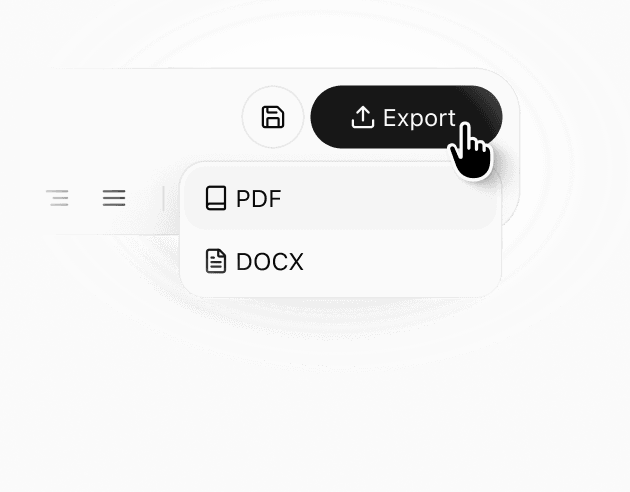
Review & download
Check the generated document, make edits if needed, and download a ready-to-use agreement.
Details
Learn more about
Injury Report Template: Incident Details & Liability Florida
Florida Injury Report Template FAQ
What is an Injury Report?
An injury report is a document used to record the facts of a workplace injury or incident in a clear, consistent way. It captures what happened, when and where it occurred, who was involved, and what immediate actions were taken, so the details aren’t lost or based on memory. The goal is to support timely follow-up, review, and prevention steps. Many workplaces use an injury report template to keep this information organized in the same format each time.
When should you complete an injury report?
You should complete an injury report any time an injury happens during work or a work-related activity — even if it seems minor at first. This is especially important if first aid is provided, medical attention is needed, a supervisor must be informed, or the incident could result in time off or work restrictions. Many workplaces also document near-misses when the situation could realistically have caused an injury. A simple rule: if it needs review, follow-up, or prevention steps, it should be reported.
What should an injury report include?
A good injury report should capture the essential facts in a neutral, easy-to-review way, so nothing important is missed during follow-up.
Date and time of the incident
Exact location (site/area/room)
People involved (injured person, supervisor, witnesses)
What happened (clear, step-by-step description of events)
Injury details (body part affected, symptoms observed or reported, visible signs)
Immediate actions taken (first aid provided, medical care sought, emergency response)
Contributing conditions (environment, equipment/tools, PPE, procedures, training)
Signatures and dates (to confirm review and accuracy)
Attachments (photos, diagrams, witness notes), if applicable
What should you do after completing an injury report?
First, submit the completed injury report to the correct person or department (manager, HR, or safety) following your workplace process. Next, ensure the injured person gets appropriate care and that any work restrictions or return-to-work steps are documented. Then review the incident to identify contributing factors and agree on corrective actions (fix hazards, update procedures, repair equipment, or retrain staff). Finally, store the report according to policy and follow up to confirm actions were completed and the risk is reduced.
How do you write a clear, objective workplace injury report?
To keep an injury report clear and objective, write a short, factual timeline of what happened using observable details: the time, exact location, the task being performed, and the sequence of events. Use simple language, stick to what is known (and note what isn’t), and include direct quotes if they help clarify what someone said or felt. Avoid adding opinions or conclusions—save “why it happened” for the investigation section, if your workplace uses one.
What wording should you avoid in a workplace injury report?
In a workplace injury report, avoid blame, judgment, and assumptions—phrases like “careless,” “at fault,” “should have known,” or “obviously,” as well as statements that guess the cause (“the equipment failed” or “they were distracted”) unless you can confirm it as a fact. Also avoid vague language like “hurt badly” or “slipped somehow”; replace it with specific, measurable details (what surface, what action, what body part, what symptoms). Keep the tone neutral and factual so the report stays useful for review and follow-up.
Similar templates