AI Assisted
Export: PDF & DOCX
Get your custom agreement in minutes
4.8 Rating
Downloaded 2588 times
Get your complete
agreement in minutes
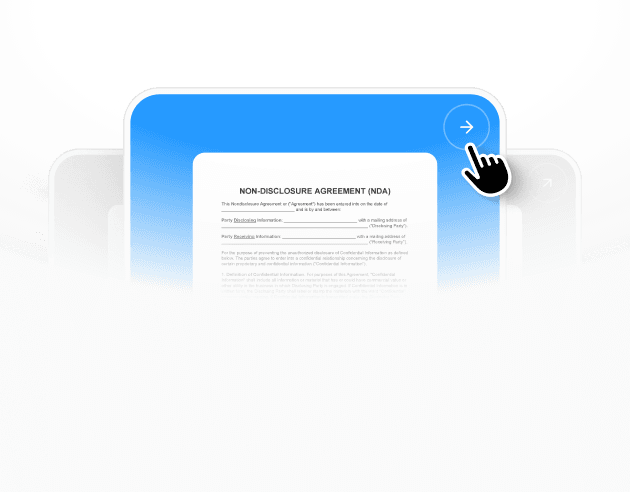
Select a template
Each template already follows legal structure and best practices.
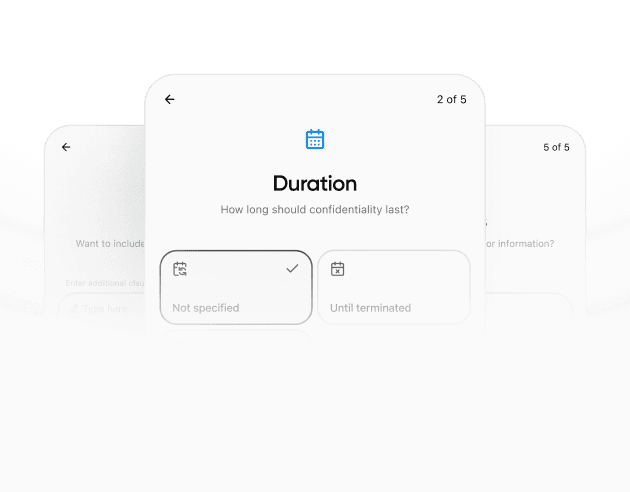
Provide details
The agreement is automatically filled and adapted to your inputs.
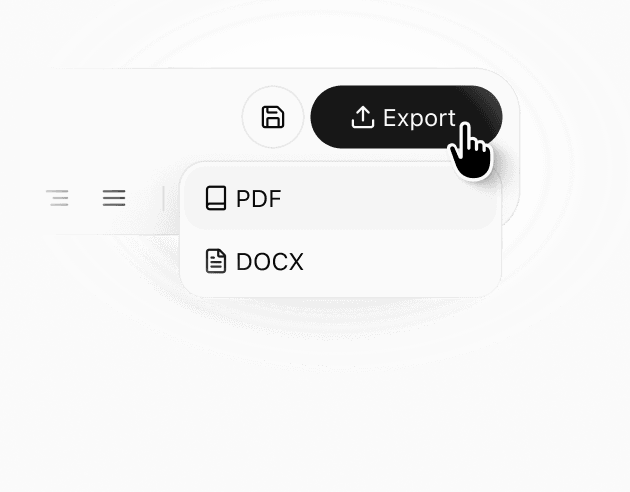
Review & download
Check the generated document, make edits if needed, and download a ready-to-use agreement.
Details
Learn more about
Employment Disciplinary Letter Template – Texas
Texas Employment Disciplinary Letter Template FAQ
Why start the letter with corrective actions in some workplaces?
Starting with corrective actions can keep the delivery meeting focused on what changes are required rather than debating the opening narrative. The employee immediately sees the deadlines, the support offered, and the review date. This approach can be especially useful when the issue is straightforward and the employer’s primary goal is timely improvement. The facts and policy references are still included, but they follow the action plan so the employee has a clear roadmap from the beginning. A structured sequence can reduce defensiveness and improve follow-through.
How can a manager define “verification” for an action item?
Verification is simply how the employer will confirm that the corrective step happened or that improvement occurred. For attendance, it might be the timekeeping record over a review period. For performance, it might be a quality metric, a checklist completion, or a supervisor observation tied to a defined standard. The verification method should be stated in practical terms so the employee is not guessing what proof is required. Clear verification reduces disputes at the follow-up review because both sides understand the measurement method in advance.
What should be included under “standard” and “deviation”?
The “standard” should describe the rule or expectation that applies, such as a policy requirement, a role duty, or a performance metric. The “deviation” should describe the concrete facts showing how the standard was not met, with dates and examples. This framing keeps the letter focused on the gap rather than personal traits. It also helps the employee understand how to close the gap, because the corrective actions can be tied directly back to the standard. Avoid broad standards like “be professional” unless you also define what behavior is expected.
How detailed should the action tracking log be?
It should be detailed enough that each action has a clear owner, a due date, and a way to confirm completion, but not so detailed that it becomes a project plan. Three to five meaningful actions is usually sufficient. The log is most useful when it replaces long paragraphs and makes responsibilities visible at a glance. If an action depends on employer support, reflect that in the owner field or the support section so the employee can see what the company will provide. A clean log helps both sides stay aligned over the review period.
Is it appropriate to include HR contact information on the letter?
Including an HR contact can be helpful because it gives the employee a clear point of contact for procedural questions, documentation submission, or requests for clarification. It also supports consistent handling when the employee wants to add a written response or when follow-up meetings are scheduled. Contact information should be limited to what is necessary and should match internal case routing. Having a case number can also simplify recordkeeping if there are multiple related documents. The goal is process clarity rather than escalation.
What if the employee improves but misses one deadline?
Employers often evaluate improvement as a whole: whether the employee met the primary expectations and whether any missed deadlines were minor, explained, or promptly corrected. If a deadline is missed, document the reason and any revised plan so the record remains current and fair. Clear follow-up checkpoints help prevent one missed date from becoming an ambiguous dispute. The letter’s purpose is to define expectations and support improvement, so updates should remain consistent with that goal. If changes are made, keep them in writing to avoid confusion.
Similar templates