AI Assisted
Export: PDF & DOCX
Get your custom agreement in minutes
4.8 Rating
Downloaded 3472 times
Get your complete
agreement in minutes
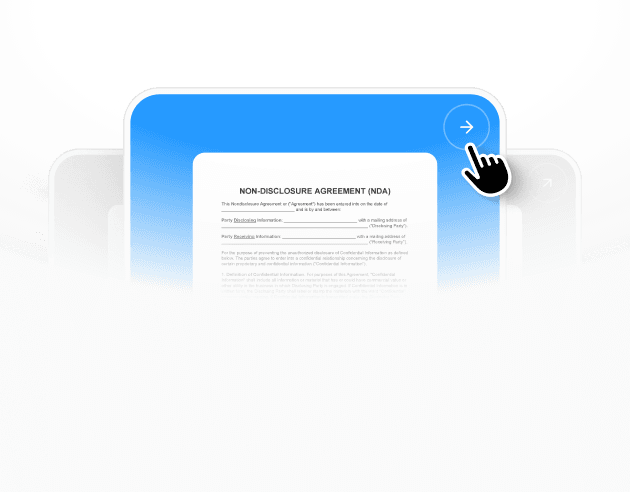
Select a template
Each template already follows legal structure and best practices.
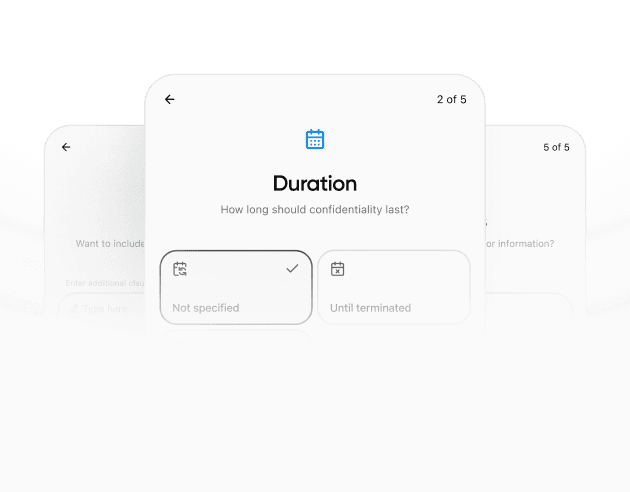
Provide details
The agreement is automatically filled and adapted to your inputs.
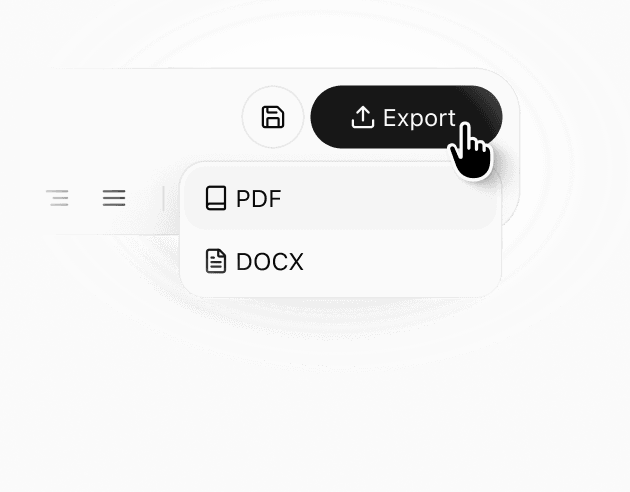
Review & download
Check the generated document, make edits if needed, and download a ready-to-use agreement.
Details
Learn more about
Employment Disciplinary Letter Template – Florida
Florida Employment Disciplinary Letter Template FAQ
When is it useful to list support resources at the top of the letter?
Some organizations prefer to lead with available support to keep the conversation improvement-focused. Putting resources first can reduce tension and make it clear that the employer expects change but is also offering tools to help. This structure is useful when the concern is performance-related and coaching or training will be central to improvement. It can also help the employee understand who to contact for scheduling training or asking process questions. The support section should reflect what is actually offered and should not promise resources that are not available.
What is the role of a witness or observation matrix in HR documentation?
A witness matrix is a structured way to record who observed the event or pattern and what records may corroborate it. It can be helpful when the issue involves conduct, safety, or customer interactions where more than one person may have relevant observations. The matrix is not a legal conclusion; it is a recordkeeping tool. By linking observations to related records, it helps HR review the file efficiently and reduces confusion about who can clarify details. It can also prevent a letter from becoming overly long by keeping supporting information in a table.
How can employers avoid including hearsay or rumors in a disciplinary letter?
Focus the narrative on what was directly observed, documented, or reliably reported through workplace channels, and make clear what information is based on records. If a statement is based on a report, it can be described as “reported” and tied to the date and source. Avoid repeating gossip or character judgments. Using a structured narrative like “before, event, after” helps keep the focus on verifiable facts and outcomes. If additional investigation is needed, it may be better to complete that investigation before finalizing discipline, depending on the situation and company process.
Should the letter identify customers or third parties by name?
Often it is better to minimize identifying information unless it is necessary for the record. If customer impact matters, you can describe the impact and reference an internal case number, ticket, or complaint record rather than naming individuals. This helps protect privacy and reduces unnecessary detail. If a specific third party must be identified, limit the information to what is essential and store supporting details in a restricted-access file. The goal is to document the workplace issue without expanding the distribution of sensitive information.
How should the employee use the response section effectively?
An effective response is specific and focused. The employee can correct dates, clarify what occurred, provide context, or describe steps taken to improve. If the employee disputes a factual statement, it helps to identify the exact sentence or claim and provide an alternative account. The response can also outline a plan to meet expectations going forward, which can be useful at the follow-up review. Keeping the response professional supports credibility and helps ensure the file reflects both perspectives without escalating conflict.
What makes a follow-up review date meaningful rather than symbolic?
A follow-up date matters when the employer also defines what will be reviewed and how improvement will be measured. Even if the letter does not include a full metrics table, the corrective actions should be written so success can be evaluated at the follow-up. For example, attendance improvement can be measured by time records over a period, and performance improvement can be measured by quality checks or output targets. If the review date is paired with clear expectations, it becomes a real checkpoint rather than a formality.
Similar templates