AI Assisted
Export: PDF & DOCX
Get your custom agreement in minutes
4.8 Rating
Downloaded 4059 times
Get your complete
agreement in minutes
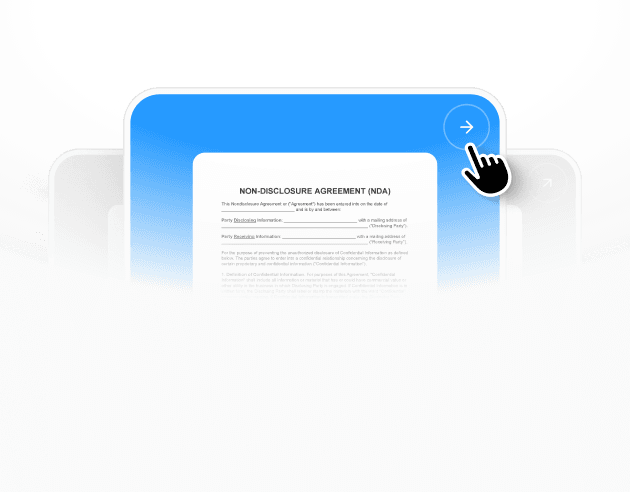
Select a template
Each template already follows legal structure and best practices.
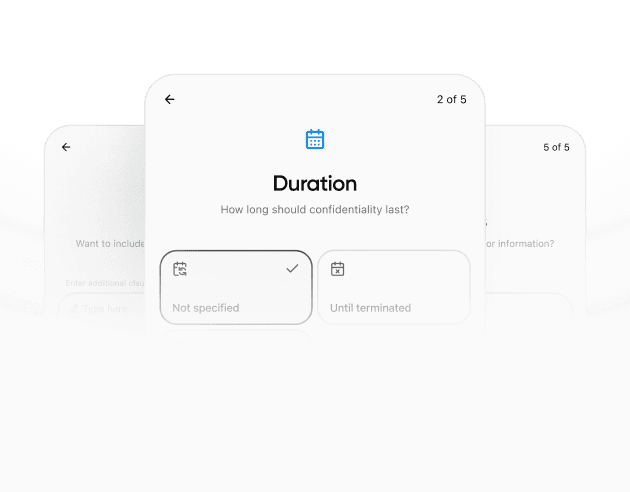
Provide details
The agreement is automatically filled and adapted to your inputs.
Review & download
Check the generated document, make edits if needed, and download a ready-to-use agreement.
Details
Learn more about
Employment Disciplinary Letter Template – New York
New York Employment Disciplinary Letter Template FAQ
How specific should a disciplinary letter be about dates and times?
Specificity is usually a strength. Dates, times, and locations help ensure the employee understands exactly what conduct or performance issue is being addressed and reduces the risk of talking past each other. If the issue is a pattern, identify representative instances and the overall date range. Avoid vague statements like “often late” without supporting detail. Specificity also helps the company remain consistent, because future reviewers can compare similar cases using the same kind of data rather than relying on impressions.
What is the advantage of writing the facts using a 5W1H format?
A 5W1H structure keeps the narrative organized and reduces the chance that important context is missing. It also discourages editorial language because each line prompts an objective detail: who, what, where, when, why, and how. That makes it easier for an employee to respond to specific points and for HR to evaluate whether the letter matches the documented record. The “why” line should focus on the workplace expectation impacted, not on assumptions about personal motives. The result is a cleaner, more reviewable record.
When should the employer include a timeline table?
A timeline table is helpful when there were multiple coaching conversations, repeated incidents, or different supervisors involved. It creates a single view of how the concern progressed over time and what decisions were made at each step. This can be especially useful when an employee transfers teams or when HR needs to review history quickly. The table should remain concise — key dates, key events, and the outcome — so it clarifies the story rather than adding clutter. A short timeline can be more persuasive than a long narrative paragraph.
Should the letter mention a meeting that took place when the warning was delivered?
If a meeting occurred, documenting the meeting can reduce later disputes about what was communicated. A brief record of the date, attendees, and a short summary can be enough. Avoid turning the meeting section into a transcript; the goal is to record the main points and expectations. If the employee was invited to provide written comments, note that option. Recording the meeting can be particularly helpful when the warning includes deadlines, because it supports that the employee had a chance to ask questions about the corrective plan.
How do you decide whether to issue a written warning or a final written warning?
That decision is typically based on the seriousness of the issue, the presence of prior warnings, and the employer’s discipline process. A final written warning often signals that the next step may be more severe if improvement does not occur. Regardless of level, the letter should still include facts, a policy reference, a corrective plan, and a review date. The “level” should not substitute for clarity. If the situation is complex, document why this level was chosen in the file, even if the letter remains concise.
What should the employee do if they disagree with part of the letter?
The employee can use the response section to identify specific statements they believe are incorrect and provide their version of events. It is usually most effective to address dates, quotes, or described actions rather than disputing overall conclusions in broad terms. If the employee has supporting records, they can reference them or provide them to HR. Even while disagreeing, the employee can state how they plan to meet expectations going forward, which helps reduce uncertainty about next steps. Keeping the response professional protects credibility.
Similar templates