AI Assisted
Export: PDF & DOCX
Get your custom agreement in minutes
4.8 Rating
Downloaded 2906 times
Get your complete
agreement in minutes
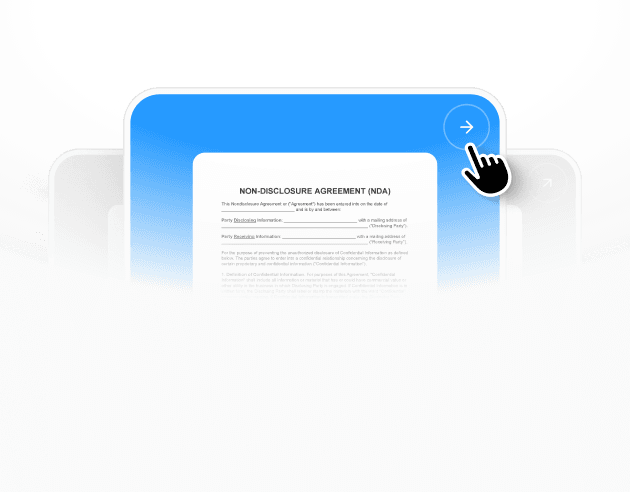
Select a template
Each template already follows legal structure and best practices.
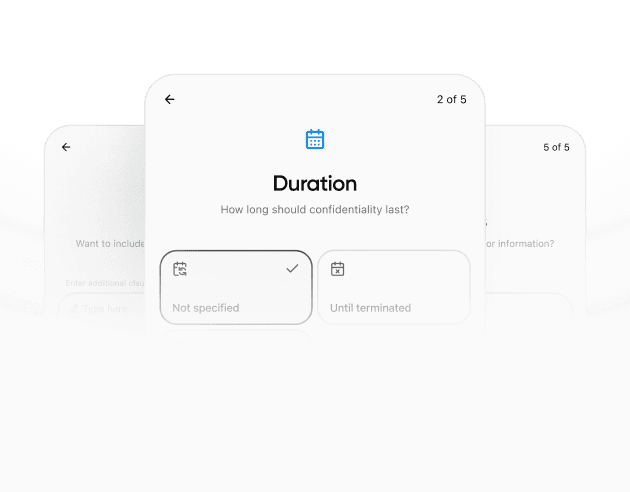
Provide details
The agreement is automatically filled and adapted to your inputs.
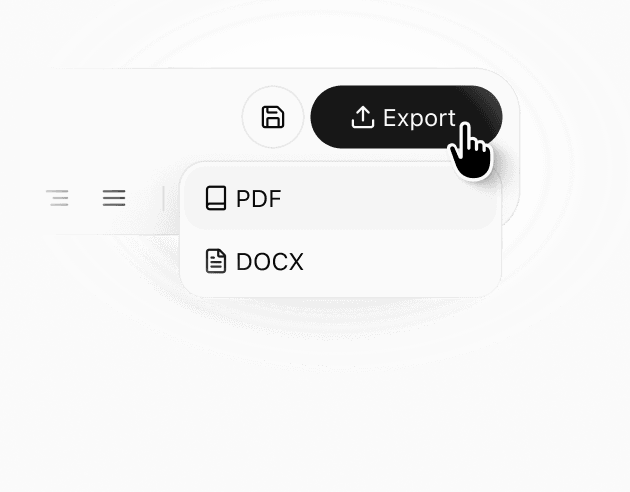
Review & download
Check the generated document, make edits if needed, and download a ready-to-use agreement.
Details
Learn more about
Employment Disciplinary Letter Template – Washington
Washington Employment Disciplinary Letter Template FAQ
What is the benefit of documenting how the notice was delivered?
Recording delivery details helps prevent later disputes about whether the employee received the warning and when it became effective. Delivery information can be especially important when the letter sets deadlines or includes a follow-up review date. It also supports consistent process across teams by showing who delivered the notice and by what method. The record-of-delivery section should remain simple — method, sender, and date — so it adds clarity without expanding the narrative. Reliable delivery records can make HR files easier to audit and easier to manage over time.
How does the “hazard-control” style narrative apply outside of safety issues?
The format can be used for many workplace concerns because it frames the issue as a risk the organization is trying to control through expectations and policies. The “hazard” can be operational risk, customer risk, quality risk, or team disruption, and the “control” is the policy or standard meant to prevent it. The “failure” and “result” then capture the facts and impact. This structure helps keep the letter focused on workplace needs rather than personal judgments. It can also make corrective actions more logical because they are tied to restoring the intended control.
What should be included in a review routing table?
A routing table lists who must review or approve the warning and in what sequence, along with dates and the outcome. This can help organizations keep discipline consistent, especially when multiple departments need visibility. The table can also clarify whether HR review is required before the warning is finalized. Keeping routing information structured reduces back-and-forth emails and helps ensure the employee receives a consistent document. If a reviewer is optional, note that in the role line so the process remains flexible without being unclear.
Can the employee request changes to the letter?
Employees often ask to correct factual errors or to add context. Employers typically avoid rewriting the warning in a way that changes the employer’s stated expectations, but they can correct objective errors such as dates, titles, or locations. The response section is designed to capture the employee’s perspective without changing the employer’s record. If a correction is made, keeping a dated version history in the file helps maintain integrity. The key is that both sides have a clear record of what was issued and what comments were provided at the time.
What if the issue involves remote work tools or online communications?
When the issue relates to tools or communications, the facts section should identify the relevant system, the timeframe, and the observable behavior — missed handoffs, late responses, unapproved access, or policy deviations reflected in logs. Supporting records can be referenced in the file rather than pasted into the letter. The corrective actions should then define clear expectations for tool usage and communication, such as response windows or required documentation steps. Clear, system-linked facts are usually more persuasive than broad statements about “communication problems.”
How can AI Lawyer support HR teams using this template across multiple sites?
AI Lawyer can help keep the letter format consistent while allowing different sites to capture their facts, policies, and corrective steps in a structured way. A consistent structure improves review speed and reduces variation in tone between managers. It also makes it easier to include modules — like routing tables or evidence indexes — only where they fit the organization’s workflow. The company still controls discipline decisions and factual accuracy, but structured templates can make the documentation clearer and easier to manage.
Similar templates