AI Assisted
Export: PDF & DOCX
Get your custom agreement in minutes
4.8 Rating
Downloaded 3987 times
Get your complete
agreement in minutes
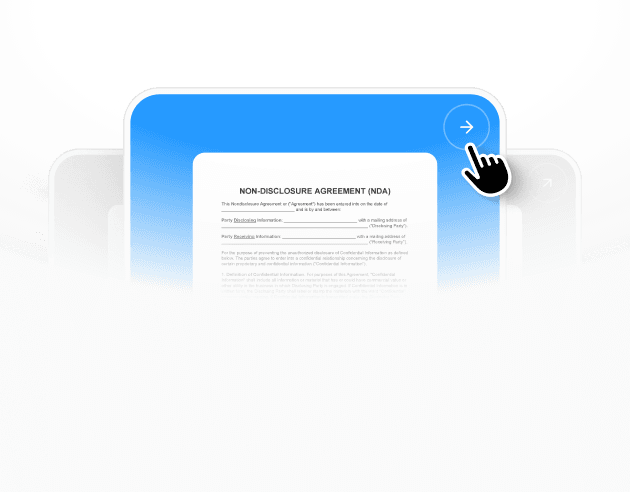
Select a template
Each template already follows legal structure and best practices.
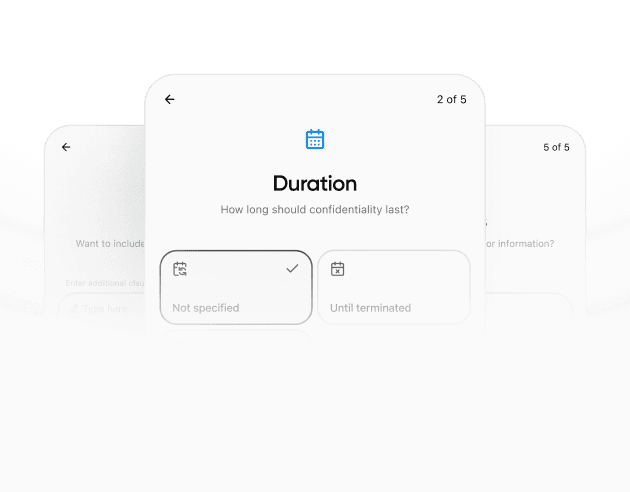
Provide details
The agreement is automatically filled and adapted to your inputs.
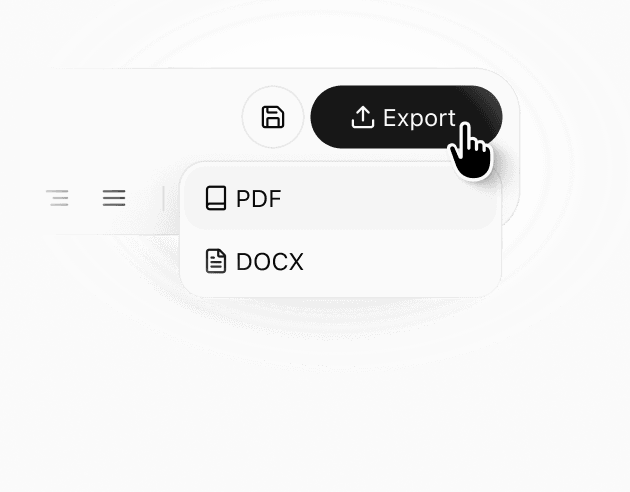
Review & download
Check the generated document, make edits if needed, and download a ready-to-use agreement.
Details
Learn more about
Time and Materials Contract Template – New York
New York Time and Materials Contract Template FAQ
When is a time and materials contract the right choice for a project?
Time and materials is often a good choice when the work cannot be fully scoped at the start, requirements may change, or the client wants flexibility to re-prioritize tasks as information emerges. It is common for iterative projects where discovery, testing, and adjustments are part of the normal workflow. The key is to pair flexibility with controls: clear rate definitions, invoice backup, and a change approval process. If the scope is stable and easily measured, a fixed-price structure may be simpler, but time and materials can reduce renegotiation cycles when scope shifts.
What is a not-to-exceed amount and how does it work in T&M?
A not-to-exceed (NTE) amount is a budget cap that limits what the contractor can bill without additional written authorization. It does not change the underlying rate structure; it adds a control point for spend. If the contractor approaches the cap, the parties typically review progress and either adjust scope, extend the cap with written approval, or end the work. Using an NTE can help clients manage budgets while keeping the flexibility of time and materials. Clear notice requirements and approval steps reduce surprises near the cap.
What documentation helps a client review invoices efficiently?
Efficient invoice review usually requires time entries that identify the worker or role, date, hours, and task description, plus materials backup such as receipts, vendor invoices, or purchase references. Many clients also want the invoice to show the billing period and to separate labor from materials so totals can be reconciled quickly. A simple checklist approach helps reviewers confirm that each line item has corresponding support. When documentation is consistent, invoice review becomes a routine process rather than an investigative exercise, and disputes tend to be resolved faster.
How can the parties prevent scope creep in a T&M relationship?
Scope creep is reduced when the statement of work is specific enough to define what is included and when the contract requires approvals for additions. Even in a flexible engagement, defining deliverables, exclusions, and assumptions can clarify what the rates apply to. A structured change process helps the client understand the impact on time and cost before the work proceeds. Regular status updates and periodic budget check-ins can also prevent drift. The goal is not to eliminate change, but to make change explicit and approved.
Should timesheets be approved by the client before billing?
Some projects require client sign-off on timesheets, while others rely on the contractor’s certified records and allow the client to audit after invoicing. Pre-approval can reduce disputes, but it can also slow billing if approvals are delayed. If timesheet approval is required, the contract should specify who can approve and what happens if the client does not respond within a set time. If pre-approval is not required, the contract can still require sufficient detail and allow the client to request supporting information. Clear expectations avoid friction either way.
How do blended rates compare to role-based rates?
A blended rate uses one rate for multiple roles, which can simplify invoicing and forecasting but may be less precise if tasks vary widely in complexity. Role-based rates provide more detail and can be fairer when senior and junior personnel contribute differently, but they can require more tracking. The best choice depends on the project structure and how the parties want to manage staffing. Some agreements use role-based rates but allow a blended rate for defined task categories. Whatever approach is used, consistency across invoices is the main driver of clarity.
What happens if the client disputes an invoice line item?
A good contract sets a short, clear dispute process that lets the client identify the specific line items in question and request backup documents within a defined period. The contractor can then respond with supporting records and, if appropriate, issue a correction or credit. During a dispute, the parties often agree that undisputed amounts remain payable on time while disputed amounts are handled separately. This prevents the entire invoice from stalling due to one issue. A written process also reduces escalation because the steps are clear and repeatable.
Similar templates