AI Assisted
Export: PDF & DOCX
Get your custom agreement in minutes
4.8 Rating
Downloaded 3049 times
Get your complete
agreement in minutes
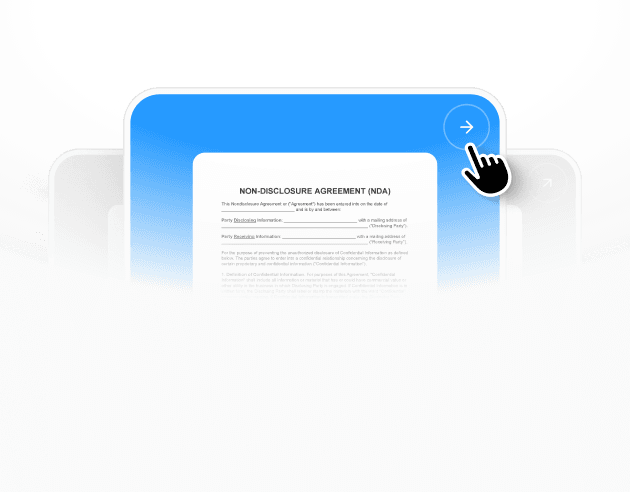
Select a template
Each template already follows legal structure and best practices.
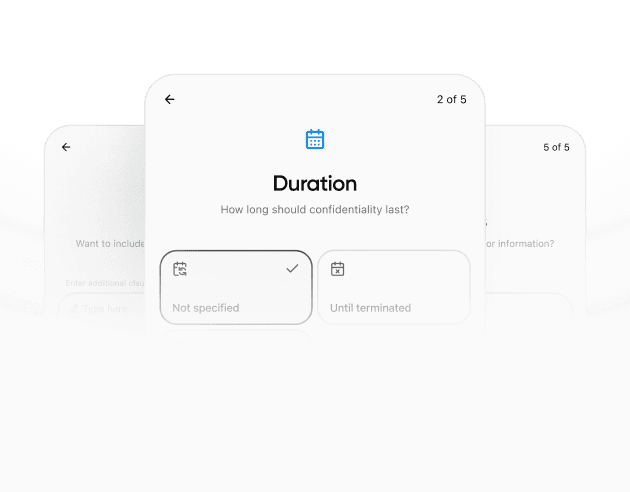
Provide details
The agreement is automatically filled and adapted to your inputs.
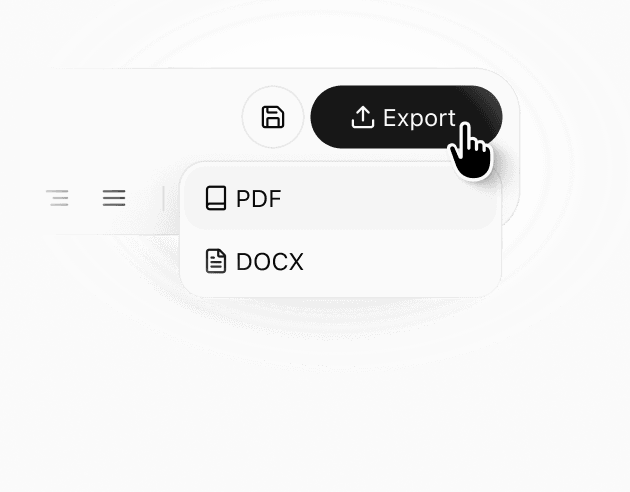
Review & download
Check the generated document, make edits if needed, and download a ready-to-use agreement.
Details
Learn more about
Indemnity Agreement Template – Washington
Washington Indemnity Agreement Template FAQ
How should indemnity and insurance be coordinated in one document set?
Indemnity allocates responsibility between the parties, while insurance is a separate risk financing tool the parties may use to back that allocation. Coordination works best when the agreement states what insurance will be maintained, who must be named, and how proof will be provided, while keeping the indemnity obligations clear and self-contained. If the parties want insurance to be a condition for performance, they can set a delivery date for certificates and identify where they must be sent. The key is to avoid relying on insurance language to define the indemnity scope. A clear insurance schedule module can support administration without turning the indemnity clause into a policy summary.
Why does this version include an insurance schedule table?
An insurance schedule table is a practical way to capture coverage types, limits, and certificate tracking fields without writing long paragraphs that are easy to misread. It also provides a place to record additional insured or certificate details, which can be important for onboarding vendors or contractors. The table format makes it easier to update coverage expectations over time, because the parties can revise the schedule without rewriting the entire agreement. The table does not assume any particular coverage is required; it provides placeholders so the parties can record what they actually agreed. This reduces ambiguity and improves operational follow-through when a claim occurs.
What should the agreement say about cooperation during a claim?
Cooperation clauses work best when they are specific about what cooperation means. That can include promptly providing documents, assisting with witness identification, making personnel reasonably available, and supporting defense efforts consistent with business needs. The agreement can also specify how cooperation requests will be routed and who the claim contacts are. Clear cooperation language reduces friction because it sets expectations for both sides without requiring constant negotiation after a claim arrives. It is also helpful to include a clause stating that cooperation will be provided at the requesting party’s cost if expenses are incurred, unless the parties agree otherwise. A well-defined cooperation clause supports smoother claim handling.
Can an indemnity agreement cover multiple projects instead of one transaction?
Yes, as long as the agreement describes the covered activities broadly enough and includes a way to identify each project or work order that falls under it. A project reference table or a statement that the agreement applies to all services performed under [Master Agreement] can help create that linkage. The key is that when a claim arises, both sides can identify whether the work was within the covered scope. If the agreement is used across multiple projects, keeping consistent notice contacts and a claim reference ID system becomes more important. The goal is a reusable framework that still provides enough specificity to administer claims without constant renegotiation.
How should the agreement handle settlement approvals when there are multiple stakeholders?
Settlement approvals can be delayed when it is unclear who has authority to consent. A clean approach is to list the approving role for each party and require written consent when the settlement includes admissions, non-monetary obligations, or does not fully release the indemnitee. If the parties use in-house counsel, risk, or management for approvals, naming the role rather than a person keeps the agreement usable over time. A simple approval workflow table can also be used to document the request and decision date. The goal is to prevent a settlement from being signed by someone without authority and to avoid last-minute disputes about whether consent was required.
Can AI Lawyer help build an indemnity template that includes insurance tracking?
AI Lawyer can help you assemble an indemnity agreement that includes a structured insurance schedule, claim contact fields, and a streamlined notice-and-defense process. You can tailor the placeholders to your vendor onboarding workflow, including certificate receipt dates and additional insured fields, and keep the indemnity language consistent across projects. You still decide the coverage expectations and the allocation of risk, but a structured document reduces gaps that cause delays when a claim arrives. A consistent template also helps internal teams because the same insurance and claim fields appear in every agreement, making administration easier as the number of vendors or projects grows.
What should be signed and stored after execution for future proof?
At minimum, keep the fully executed agreement with the effective date, the signature blocks, and any completed schedules or exhibits. If the agreement includes an insurance schedule, storing the certificates and any endorsements in the same file helps preserve the record of what coverage was in place. If notice addresses can change, keeping a record of any written updates is also helpful. The goal is to have one clean packet that can be produced quickly if a claim is tendered years later. Good records reduce disputes about what version was signed and what terms applied to the covered activity.
Similar templates