AI Assisted
Export: PDF & DOCX
Get your custom agreement in minutes
4.8 Rating
Downloaded 3587 times
Get your complete
agreement in minutes
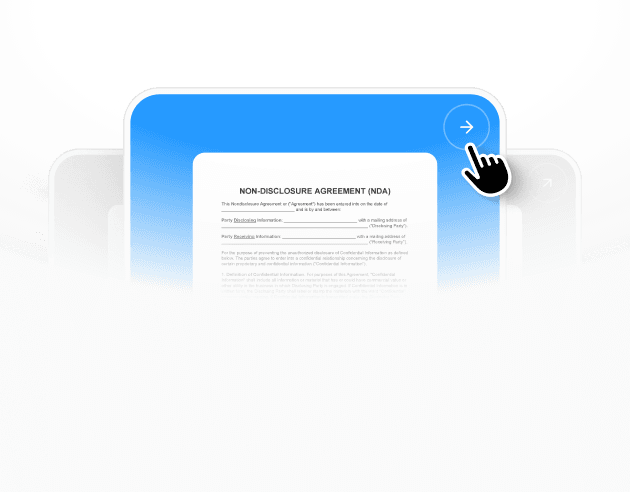
Select a template
Each template already follows legal structure and best practices.
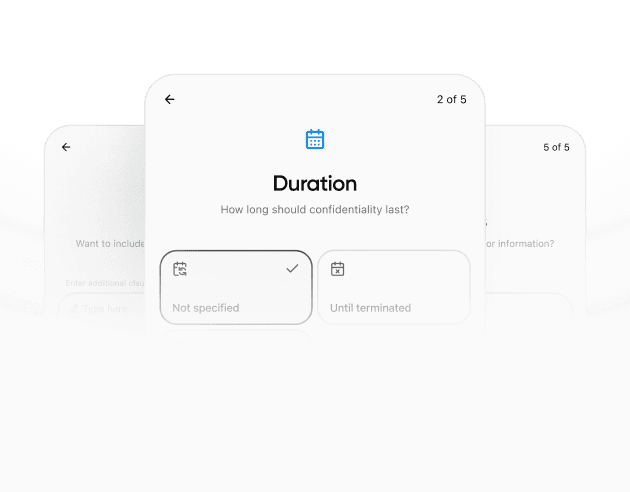
Provide details
The agreement is automatically filled and adapted to your inputs.
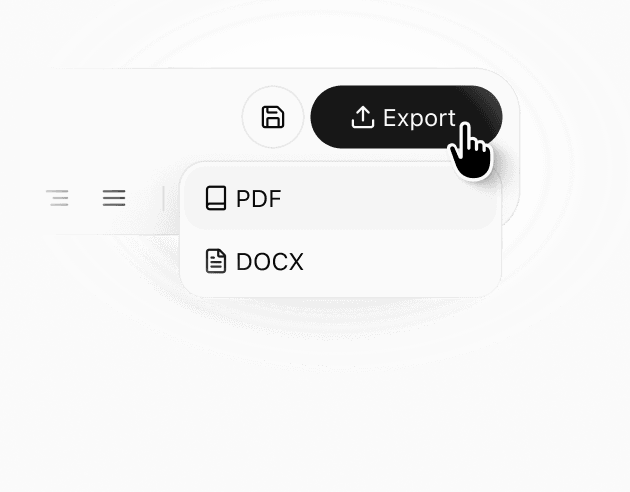
Review & download
Check the generated document, make edits if needed, and download a ready-to-use agreement.
Details
Learn more about
Indemnity Agreement Template – Florida
Florida Indemnity Agreement Template FAQ
Is an indemnity agreement appropriate for event hosting or venue use?
Indemnity agreements are commonly used when one party is allowing another to use a location, host an event, or perform an activity that could lead to third-party claims. The key is to define the event, dates, and responsibilities so the indemnity is tied to a specific context. If vendors or contractors are involved, the agreement can clarify whether the indemnifier is responsible for claims arising from their actions as well. A clear notice and defense process is important because event-related claims can arrive after the event ends. The agreement should also coordinate with any insurance requirements the parties choose to include so risk management is consistent across documents.
How can the scope be written so it covers real risks without being overly broad?
A practical scope starts with the activities that create exposure and then uses categories that match those activities, such as injury, property damage, or third-party claims arising from performance. If you want a narrower scope, limit it to the indemnifier’s negligence or breach in connection with the activity. If you want broader coverage, include claims arising out of the activity regardless of fault, but be precise about what arising out of means by tying it to the described event or project. The goal is to avoid a scope that reads unlimited but is difficult to administer. Specific activity references tend to produce fewer disputes than abstract language alone.
What is the role of a “hold harmless” phrase in modern drafting?
Hold harmless is often included to reinforce the protection the indemnitee expects, but it can mean different things to different readers. The best practice is to focus on what the parties want to happen when a claim arises: who pays, who defends, and what costs are covered. If the agreement states those outcomes clearly, the presence or absence of the phrase becomes less important. If the parties want the indemnifier to pay defense costs from the outset, that should be stated directly. If the parties want reimbursement only after resolution, that should be stated as well. Clear outcomes reduce arguments about what hold harmless was supposed to accomplish.
Why does this version include a settlement approval checklist table?
A settlement approval checklist creates a clear pathway for closing a claim without surprise obligations. It can capture whether the settlement includes admissions, non-monetary terms, confidentiality commitments, or future obligations, and it identifies who must approve before signing. This helps prevent a rush to settle that later creates operational issues for the indemnitee. The checklist also helps internal teams coordinate when there are multiple stakeholders, such as management, risk, or outside counsel. The table does not decide outcomes; it ensures the right questions are asked before approval. That process detail can be critical when settlement terms extend beyond a simple payment.
Should the agreement include a duration that survives the activity?
Duration should match the risk horizon. If the indemnity is tied to a project, rental, or event, it may make sense for the obligation to survive through a defined period after completion to cover claims that arise later. The agreement can use a fixed end date or a termination event, such as return of the premises and completion of obligations. If the parties want ongoing protection for a continuing relationship, they can set the agreement to remain in effect until terminated by mutual consent. The key is to avoid ambiguity about whether obligations end immediately when the activity ends, because claims often arrive after the fact.
How should notice addresses be stated to avoid disputes about delivery?
Notice addresses should be specific and complete, including the recipient name or department, mailing address, and an email address if used. The agreement should state which methods are acceptable and when notice is effective. If the parties use a portal or a particular email alias, listing it reduces the chance that notices are sent to an inactive address. Keeping a place for a notice update, such as a change-of-address clause, can also prevent disputes later. The goal is a reliable route for claim notices, defense updates, and settlement approvals, because procedural disputes about where notice was sent can derail substantive claim handling.
Can the agreement be used for equipment rentals as well as real estate?
Yes. The same indemnity structure can apply to equipment rentals if the agreement identifies the equipment, the rental period, and the activities associated with use. Equipment scenarios often benefit from a clearer risk description, such as operation, transport, storage, and unauthorized use, because those are common sources of claims. The agreement can also specify whether the indemnifier’s obligations extend to any users or operators besides the named renter. The key is to tie the indemnity to the equipment and the period of control so the covered risk boundary is clear. A simple asset schedule module can help keep the identification clean.
Similar templates