AI Assisted
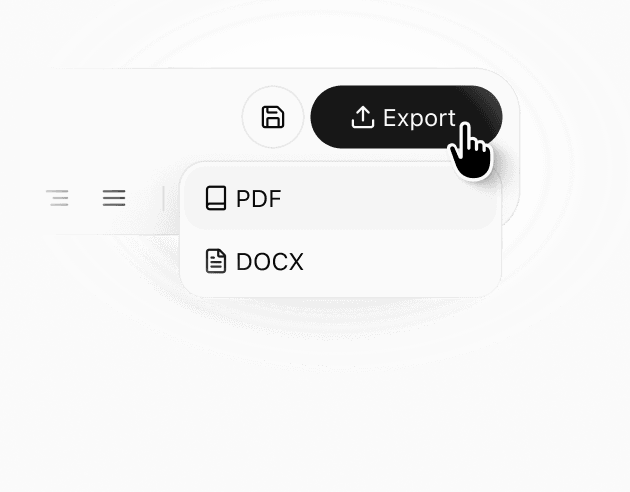
Export: PDF & DOCX
Get your custom agreement in minutes
4.8 Rating
Downloaded 2338 times
Get your complete
agreement in minutes
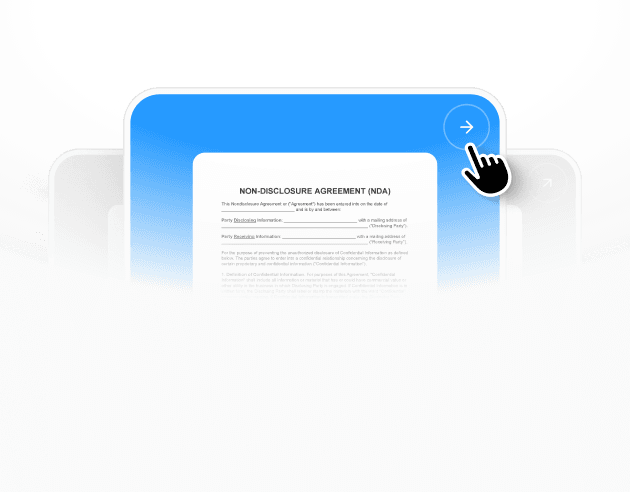
Select a template
Each template already follows legal structure and best practices.
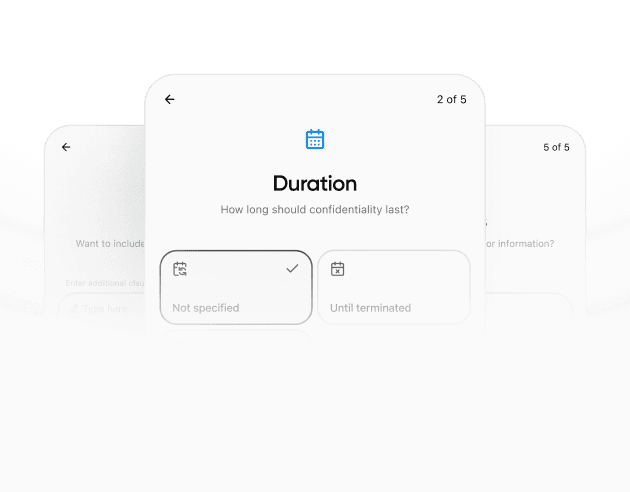
Provide details
The agreement is automatically filled and adapted to your inputs.
Review & download
Check the generated document, make edits if needed, and download a ready-to-use agreement.
Details
Learn more about
Indemnity Agreement Template – California
California Indemnity Agreement Template FAQ
What risks should be listed in the scope of indemnity?
The scope should track the real-world activities that create exposure for the indemnitee. Start with the specific project, service, event, or asset involved and describe the risk triggers in plain language, such as use of equipment, entry onto property, performance of services, or third-party claims arising from the indemnifier’s actions. If you want the clause to be narrower, limit it to defined acts or omissions. If you want it broader, include categories like negligence, breach, or regulatory claims tied to the activity. The goal is that a reader can tell, from the text alone, what situations are covered and what are not.
What is the difference between “indemnify,” “defend,” and “hold harmless”?
Indemnify generally addresses reimbursement for covered losses, while defend focuses on handling the defense of a covered claim, and hold harmless is commonly used to reinforce protection against liability exposure. In practice, these phrases can overlap, so clarity matters more than labels. If you want the indemnifier to take over defense, the agreement should state who controls counsel and how the indemnitee can participate. If you want reimbursement only, the agreement can limit the obligation to payment of covered losses. A well-drafted clause aligns the words with a workable claims process rather than relying on a single phrase to do everything.
Why does this California version use a risk allocation matrix?
A risk allocation matrix converts broad indemnity concepts into a structured record of what is actually covered. It lets the parties list specific risk categories, define the trigger event, and note whether defense, indemnity, or both are intended. The matrix also helps prevent accidental overbreadth, because the parties can see where a category is too vague and tighten it. If a dispute arises later, the table provides a quick roadmap for what the parties meant to cover. The matrix is not a substitute for the core indemnity clause; it supports it by making the scope easier to review and negotiate.
How should notice of a claim be handled in the agreement?
A notice clause works best when it identifies where notice must be sent, what information must be included, and what timing standard applies. Many agreements require prompt written notice with enough detail for the indemnifier to evaluate and respond. Because delays can happen, a common structure is to state that late notice does not relieve the indemnifier unless it causes material prejudice. That keeps the process fair while still encouraging prompt reporting. Including a claim reference ID placeholder and a designated contact can also reduce confusion when multiple claims or projects are involved between the same parties.
Can the indemnifier settle a claim without the indemnitee’s consent?
If the settlement could admit fault, impose non-monetary obligations, or affect the indemnitee’s ongoing operations, the agreement should require the indemnitee’s written consent. If the settlement is purely monetary and fully releases the indemnitee, some parties allow settlement with notice, but many still require consent to avoid surprises. The key is to define the consent trigger clearly so the parties do not argue later about whether a settlement changed obligations. A short settlement approval workflow, even in a simple agreement, can prevent last-minute conflicts when a claim is close to resolution.
How do limitation of liability and indemnity clauses interact?
Indemnity can be drafted as a standalone obligation or as part of a broader allocation of risk that includes a liability cap. If you want the indemnity to be capped, the limitation section should say so expressly and identify whether the cap applies to defense costs as well as damages. If certain conduct is excluded from the cap, that should be stated clearly. The goal is internal consistency: a cap clause that appears to limit everything can conflict with an indemnity clause that appears unlimited. Consistent drafting reduces disputes about whether the cap controls a claim.
Can AI Lawyer help tailor an indemnity agreement to a specific project?
AI Lawyer can help you structure the agreement so the covered activities, claim procedures, and limitation terms match the transaction you are documenting. For example, you can add a risk matrix tied to the particular project, define the notice contacts, and set a clear defense and settlement workflow. You still decide what risks you are willing to take on and what limits apply, but a structured template reduces the chance that key operational details are missing. A clearer agreement is typically easier to negotiate because the parties can focus on defined fields rather than debating vague language.
Similar templates