AI Assisted
Export: PDF & DOCX
Get your custom agreement in minutes
4.8 Rating
Downloaded 2984 times
Get your complete
agreement in minutes
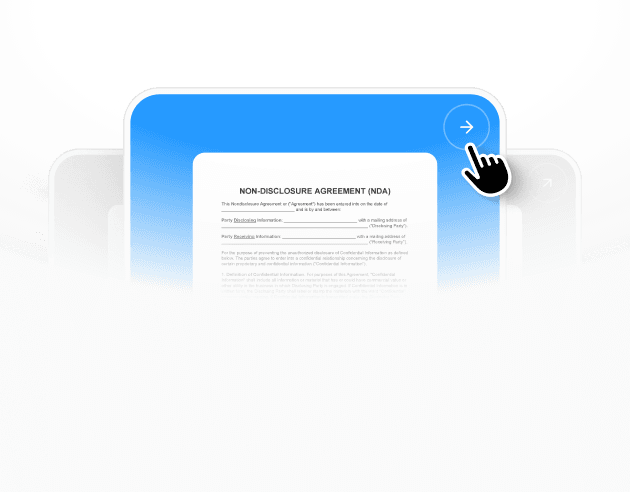
Select a template
Each template already follows legal structure and best practices.
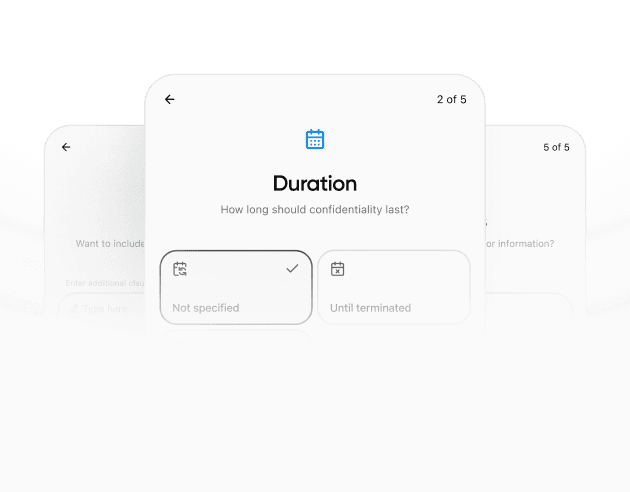
Provide details
The agreement is automatically filled and adapted to your inputs.
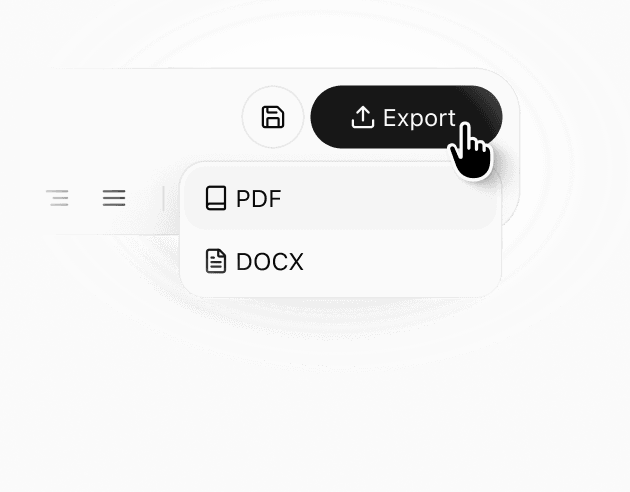
Review & download
Check the generated document, make edits if needed, and download a ready-to-use agreement.
Details
Learn more about
Consulting Agreement Template – Florida
Florida Consulting Agreement Template FAQ
How much notice should be required to end a consulting engagement?
Notice periods are a planning tool. A shorter notice period can work for small, low-dependency projects, while longer notice can support a smoother transition for larger engagements. The agreement can set a notice period and can also address immediate termination for defined events inside placeholders, such as a material breach. Whatever period is chosen, it helps to define how notice is delivered and who receives it so there is no ambiguity. Clear notice terms reduce disruption, help schedule the handoff of files and access, and make final invoicing more predictable.
How can milestone-based services be described without becoming too detailed?
A practical approach is describing the overall services in the main scope clause and using a milestone table to capture target dates and deliverables. This keeps the agreement readable while still creating a plan for delivery and review. The milestone structure can also note what the client must provide, such as data, approvals, or access, so delays are easier to manage. If iteration is expected, the agreement can include a review window per milestone. Milestone framing is often clearer than a long narrative scope because it ties work to measurable outputs.
Can the agreement cover both on-site and remote work arrangements?
Yes. The agreement can specify whether work is remote, on-site, or hybrid, and it can identify meeting platforms, onsite days, and any access requirements. This prevents misunderstandings about availability, response times, and travel expectations. If the consultant needs building access or system credentials, the agreement can identify the person who provisions access and the method used for file transfer. Clear logistics also help the client plan stakeholders and meeting rooms. When delivery format is written down, the engagement runs more smoothly and the consultant is less likely to miss dependencies that delay work.
How long should confidentiality obligations last after the project ends?
Confidentiality duration depends on the sensitivity of the information and the parties' practical needs. The agreement can set a defined survival period in a placeholder or can tie confidentiality to the continued nonpublic status of the information. It can also require return or destruction of client materials at closeout, which helps clients feel comfortable sharing files during the project. Defining duration avoids open-ended expectations that are hard to administer. A well-defined confidentiality term supports better information sharing because both sides understand the rules for use, storage, and post-project handling.
Who owns drafts, working files, and interim deliverables?
Ownership can be clarified by defining what counts as “work product” and what is considered the consultant's internal materials. Many clients want final deliverables and key supporting files, while consultants may keep their reusable methods and internal notes. The agreement can specify whether editable files are delivered and in what formats. If the consultant uses pre-existing templates, the agreement can state whether the client receives a license to those materials. Clear ownership language reduces friction at closeout and helps avoid last-minute disagreements about access to working documents.
Can a consulting project be paused instead of terminated?
A pause can be addressed with a suspension clause that allows the client to temporarily stop work with written notice and defines what happens to timelines and fees. The clause can specify whether the consultant may reallocate capacity during the pause and whether a restart requires a revised schedule. This is useful when the client is waiting for internal approvals, data access, or staffing. A suspension option can prevent unnecessary termination and renegotiation while still protecting the consultant from open-ended downtime. When a pause process is documented, both sides can plan and resume with fewer surprises.
Similar templates