AI Assisted
Export: PDF & DOCX
Get your custom agreement in minutes
4.8 Rating
Downloaded 4412 times
Get your complete
agreement in minutes
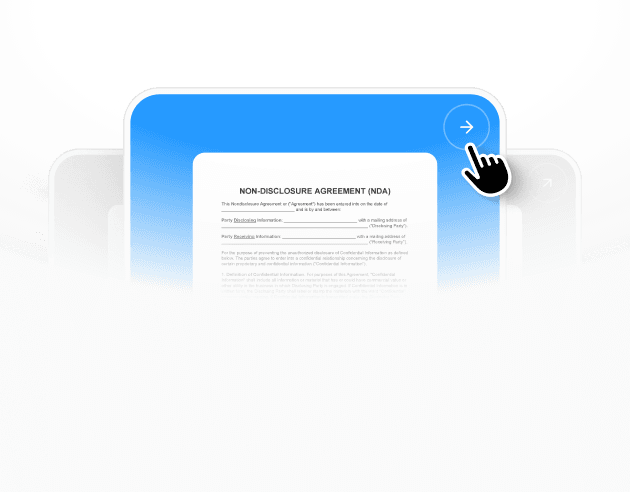
Select a template
Each template already follows legal structure and best practices.
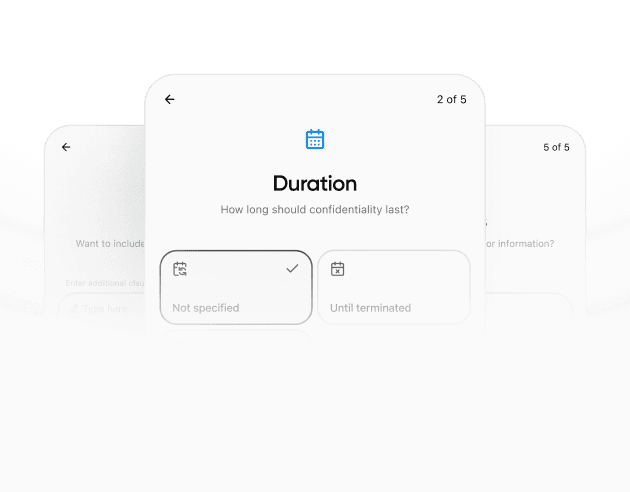
Provide details
The agreement is automatically filled and adapted to your inputs.
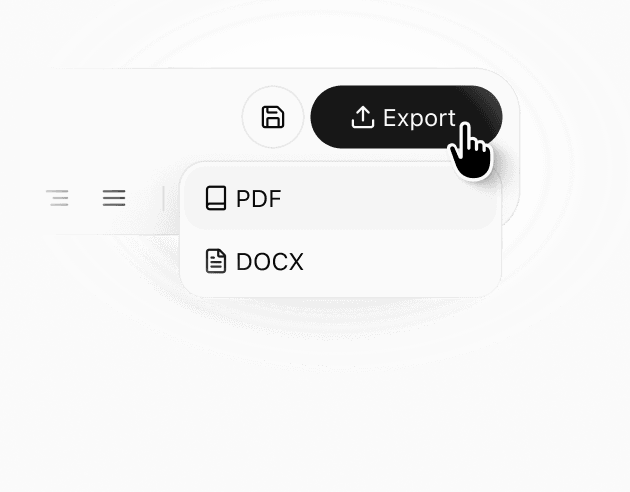
Review & download
Check the generated document, make edits if needed, and download a ready-to-use agreement.
Details
Learn more about
Business Sale/Purchase Agreement Template – New York
New York Business Sale/Purchase Agreement Template FAQ
What should be identified as “the Business” in the agreement?
The agreement should identify the name the business operates under, the primary location, and the core activity being acquired. If there are multiple locations or lines of business, the agreement should clarify whether all locations are included or only a specific unit. This clarity matters because schedules and closing deliverables should match the definition of the business being transferred. A precise business description also helps when assigning customer and vendor contracts, transferring domain names, and handing over operational records needed to run the business after closing.
How can you reduce disputes about what assets are included?
The most reliable method is a detailed included-assets schedule with clear identifiers. Equipment can be listed with serial numbers, inventory with SKU or category references, and IP with registration numbers or repository identifiers. Excluded assets should also be listed so there is no ambiguity. If something is “shared” with another business or personally owned by the seller, it should be expressly treated as excluded unless the parties agree otherwise. The more concrete the schedules are, the fewer arguments arise after closing about missing items or accidental transfers.
What is the purpose of a purchase price allocation table?
An allocation table gives the parties a shared reference for how the purchase price is assigned across major asset classes. Even when the deal is negotiated as one number, an allocation framework can help the parties align on the value of inventory, equipment, and intangible assets. It can also reduce future disagreements if the buyer later claims a key asset was undervalued or not included. If the parties do not want an allocation, the agreement can state that no allocation is agreed and that schedules control what transfers.
How do contract assignments and third-party consents fit into closing?
Many customer, vendor, and lease agreements restrict assignment without consent. The business sale agreement should identify which contracts will be assigned, which require third-party approval, and what happens if a consent is not obtained by closing. Parties can agree to a delayed transfer, a substitute arrangement, or a closing condition that must be satisfied before funds are released. Capturing this process prevents a buyer from paying for revenue streams that cannot legally transfer, and it prevents a seller from being stuck supporting contracts the buyer expected to take over.
What if the buyer needs seller financing or an installment plan?
If seller financing applies, the agreement should describe the financing terms clearly, including principal, repayment schedule, interest, security (if any), and what happens in default. It should also state whether the seller retains a security interest in transferred assets until payment is complete. If the buyer is using third-party financing, the agreement can list financing as a condition to closing or as an obligation the buyer must satisfy by a certain date. Clear funding terms help avoid last-minute delays caused by uncertain payment mechanics.
What records should be transferred to support a smooth handover?
At minimum, buyers often need customer and vendor contact records, operational procedures, financial statements, key licenses, and access credentials for systems and accounts. If the business relies on online tools, it is helpful to list domains, social accounts, payment processor access, and software subscriptions. A record-transfer clause can define what must be delivered at closing versus during a short transition period. Clear record handoff reduces downtime and helps the buyer avoid service interruptions that can damage customer trust right after acquisition.
What happens if issues are discovered after closing?
Post-closing issues are usually handled through the representations and warranties, the schedules, and any negotiated remedies such as escrow, holdback, or a defined cure period. The agreement can specify how claims are reported, what evidence is needed, and whether the seller has an opportunity to cure. If the parties want a clean break, they may shorten survival periods or limit remedies. If the buyer wants protection, it may negotiate specific disclosures, longer survival for certain items, or a defined set of documents that must be accurate at closing.
Similar templates