AI Assisted
Export: PDF & DOCX
Get your custom agreement in minutes
4.8 Rating
Downloaded 4012 times
Get your complete
agreement in minutes
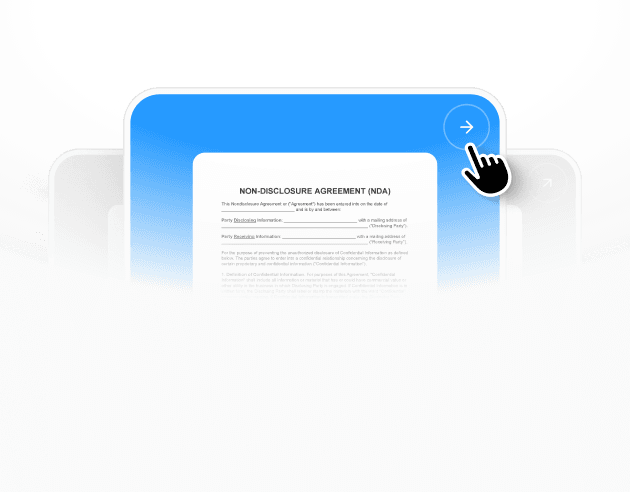
Select a template
Each template already follows legal structure and best practices.
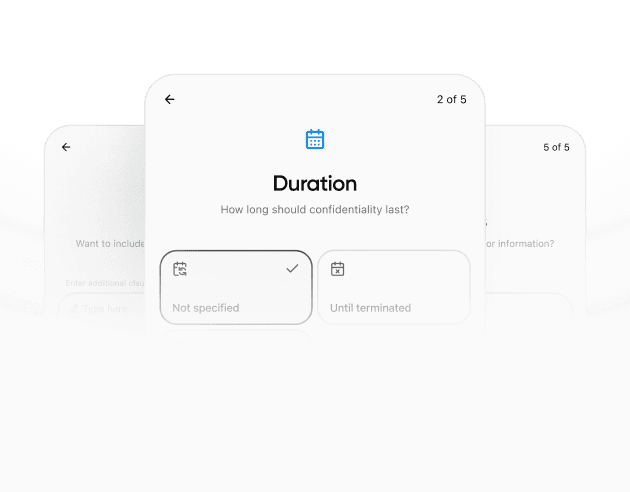
Provide details
The agreement is automatically filled and adapted to your inputs.
Review & download
Check the generated document, make edits if needed, and download a ready-to-use agreement.
Details
Learn more about
Mortgage Agreement Template – Texas
Texas Mortgage Agreement Template FAQ
Why does this Texas template include a property components register?
A property can include fixtures and improvements that are important to the lender’s collateral expectations and to the borrower’s understanding of what is tied to the loan. A components register provides a structured way to list included items without writing long descriptions throughout the agreement. It can also reduce disagreements about whether certain improvements were intended to be part of the collateral package. The register is optional and uses placeholders so it can be kept minimal when it is not needed for the transaction.
How does defining a payment receipt standard help both parties?
Payment disputes often hinge on timing and proof. By defining what counts as payment receipt — such as a bank confirmation or a portal confirmation — the agreement gives both parties a clear reference if a payment is delayed, misapplied, or questioned. Borrowers can keep the correct proof, and lenders can apply consistent posting practices. This reduces back-and-forth when a payment date is close to a due date or when a payment channel changes. If the parties change the payment method later, they should document the update in writing.
What should a borrower do before transferring or selling the property?
Because the property is collateral, changes in ownership can affect the lender’s security and repayment expectations. The agreement treats transfer or sale without consent as a default event, so borrowers should address any planned transfer in advance. If a borrower anticipates a sale, refinance, or ownership restructuring, they should contact the lender early and keep written records of any approvals or conditions. Documenting consent helps avoid confusion and supports a smoother transaction process when property ownership changes are on the horizon.
Does the mortgage agreement set the complete repayment schedule?
The mortgage agreement states the key payment terms — amount, due day, interest rate, and term — but it may not contain a full amortization schedule unless the parties attach one separately. In many transactions, the schedule is provided through a separate disclosure, statement, or lender system. The important point is that the values stated in the agreement should match the parties’ intended repayment structure. If the parties attach an amortization schedule, they should ensure it is consistent with the numbers stated in the agreement’s loan terms section.
Why keep the “use and maintenance” section short?
A concise use and maintenance section focuses on the practical obligations that protect the property’s condition and value: maintaining the property, avoiding major alterations without written permission, and not using the property for unlawful purposes. Keeping this section short helps avoid vague or overly detailed language that can be hard to apply consistently. If the parties want more detail — such as an approval process for renovations — they can add that in writing using placeholders or a separate addendum without changing the core mortgage structure.
How can AI Lawyer support repeatable mortgage documentation workflows?
AI Lawyer can generate mortgage agreement templates that keep a consistent core while adding optional modules tailored to how a lender or borrower manages collateral, payments, and records. For example, a components register and a payment receipt standard can be included when those details are important, while other transactions can remain lean. This modular approach helps reduce drafting time and keeps documents readable. Users still complete the placeholders with accurate transaction details and maintain their own internal approval and recordkeeping processes.
Similar templates