AI Assisted
Export: PDF & DOCX
Get your custom agreement in minutes
4.8 Rating
Downloaded 4415 times
Get your complete
agreement in minutes
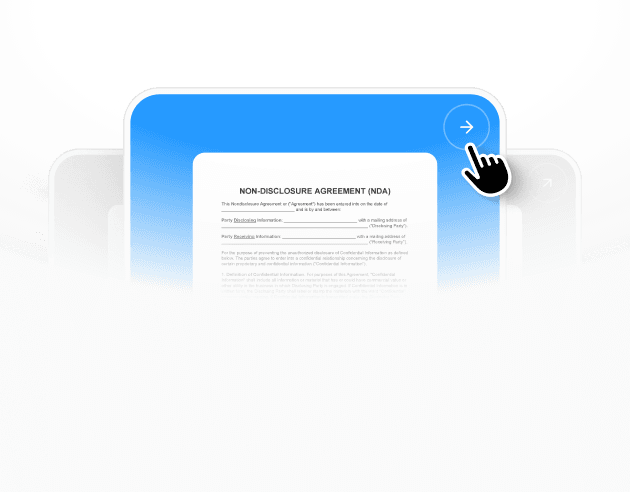
Select a template
Each template already follows legal structure and best practices.
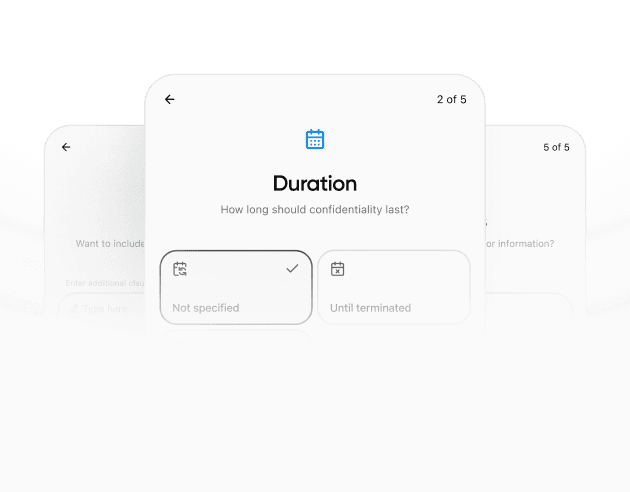
Provide details
The agreement is automatically filled and adapted to your inputs.
Review & download
Check the generated document, make edits if needed, and download a ready-to-use agreement.
Details
Learn more about
Mortgage Agreement Template – California
California Mortgage Agreement Template FAQ
What is the main purpose of a mortgage agreement?
A mortgage agreement documents that a real estate property is pledged as collateral for a loan. It ties the borrower’s repayment obligation to the property by granting the lender a lien, which can be enforced through remedies described in the agreement and available under applicable procedures. In practice, the mortgage agreement is the “collateral instrument,” while separate loan paperwork may address additional financing details. Using a written mortgage agreement helps both parties confirm what property is covered and what happens if payments are missed.
Why does the California template start with loan and payment terms instead of the property section?
Many users read mortgage documents to find the monthly payment, due date, and late-fee terms first. Starting with the loan and payment section makes the most time-sensitive obligations immediately visible, then the agreement moves to collateral and property-related duties. This order can reduce misunderstandings during the first months of repayment and makes it easier to compare the agreement to a payment schedule or lender portal. The collateral grant still appears early, but the “entry point” reflects how borrowers and lenders often review documents.
What should be included in the property description placeholder?
The property description should be specific enough to identify the collateral without ambiguity. Parties often use the street address and, if available, a legal description or parcel information that matches prior deed or title records. If the mortgage will be recorded, consistency with the recording description helps avoid confusion about what property is subject to the lien. The template leaves this as a placeholder so the parties can insert the level of detail that matches their transaction documents and recordkeeping approach.
How can the timeline table be used during the life of the loan?
The timeline table is a compact way to track key dated milestones, such as funding, the first payment, and delivery of insurance documentation. It can help both sides confirm when obligations began and where records are stored if a question arises later. The table is intentionally short so it supports recordkeeping without turning the agreement into a checklist-heavy form. If the parties want to track more events, they can add rows while keeping the same structure and references.
What does it mean to list the lender as a loss payee on insurance?
Listing the lender as a loss payee generally means insurance proceeds for covered property losses may be payable to or include the lender, which helps protect the lender’s collateral interest. The borrower still obtains and pays for the policy, but the lender is identified so the lender’s interest is recognized if a covered loss occurs. The exact mechanics are handled by the insurance policy terms. The template keeps the clause short and practical, focusing on maintaining coverage and identifying the lender on the policy documentation.
Can AI Lawyer help keep mortgage documentation consistent across transactions?
AI Lawyer can generate mortgage templates that keep the core sections consistent — payment terms, collateral, borrower duties, and default — while adding optional modules like a timeline and evidence preservation fields. This can help lenders or borrowers standardize how documents are prepared and stored without inflating the contract with unnecessary narrative. Users still fill in accurate transaction terms and decide what records to retain, but a consistent structure makes later verification and follow-up easier.
Similar templates