Safety Plan Template
[Company Name]
Workplace Safety Plan
Date: [MM/DD/YYYY]
Prepared by: [Name/Department]
1. Purpose and Scope
This Safety Plan outlines the procedures, responsibilities, and practices necessary to protect the health and safety of employees, contractors, and visitors at [Company Name]. It applies to all worksites, facilities, and job functions.
2. Safety Policy Statement
[Company Name] is committed to providing a safe and healthy workplace. All employees are expected to comply with safety policies, report hazards, and actively participate in maintaining a safe environment.
3. Roles and Responsibilities
-
Management: Ensure resources, training, and enforcement of safety policies.
-
Supervisors: Monitor compliance, conduct inspections, and report incidents.
-
Employees: Follow procedures, use protective equipment, and report unsafe conditions.
-
Safety Officer: Oversee safety program implementation and ensure regulatory compliance.
Management: Ensure resources, training, and enforcement of safety policies.
Supervisors: Monitor compliance, conduct inspections, and report incidents.
Employees: Follow procedures, use protective equipment, and report unsafe conditions.
Safety Officer: Oversee safety program implementation and ensure regulatory compliance.
4. Hazard Identification and Assessment
-
Regular workplace inspections.
-
Job hazard analyses (JHAs).
-
Incident and near-miss reporting procedures.
-
Documentation and corrective action process.
Regular workplace inspections.
Job hazard analyses (JHAs).
Incident and near-miss reporting procedures.
Documentation and corrective action process.
5. Personal Protective Equipment (PPE)
-
Required PPE by task (hard hats, gloves, safety glasses, respirators, etc.).
-
Storage, maintenance, and replacement protocols.
-
Employee training on proper use of PPE.
Required PPE by task (hard hats, gloves, safety glasses, respirators, etc.).
Storage, maintenance, and replacement protocols.
Employee training on proper use of PPE.
6. Emergency Procedures
-
Fire evacuation plan and assembly points.
-
Severe weather response (tornado, earthquake, flood).
-
Medical emergencies and first aid procedures.
-
Active threat response protocols.
Fire evacuation plan and assembly points.
Severe weather response (tornado, earthquake, flood).
Medical emergencies and first aid procedures.
Active threat response protocols.
7. Incident Reporting and Investigation
-
Immediate reporting of accidents, injuries, or near-misses.
-
Completion of incident report forms.
-
Root cause analysis and corrective actions.
-
Record-keeping for compliance and monitoring.
Immediate reporting of accidents, injuries, or near-misses.
Completion of incident report forms.
Root cause analysis and corrective actions.
Record-keeping for compliance and monitoring.
8. Training and Communication
-
New hire orientation safety training.
-
Ongoing refresher training sessions.
-
Safety meetings and toolbox talks.
-
Posting of safety signage and materials.
New hire orientation safety training.
Ongoing refresher training sessions.
Safety meetings and toolbox talks.
Posting of safety signage and materials.
9. Health and Wellness Programs
-
Ergonomics guidelines for desk and equipment setup.
-
Stress management and mental health resources.
-
Vaccination, hygiene, and illness-prevention policies.
Ergonomics guidelines for desk and equipment setup.
Stress management and mental health resources.
Vaccination, hygiene, and illness-prevention policies.
10. Inspections and Audits
-
Internal audits conducted [monthly/quarterly].
-
Third-party safety audits as required.
-
Documentation of findings and corrective measures.
Internal audits conducted [monthly/quarterly].
Third-party safety audits as required.
Documentation of findings and corrective measures.
11. Record-Keeping and Compliance
-
Maintain OSHA (or local equivalent) logs.
-
Track training completion and certifications.
-
Keep inspection, audit, and incident records for [X years].
Maintain OSHA (or local equivalent) logs.
Track training completion and certifications.
Keep inspection, audit, and incident records for [X years].
12. Plan Review and Updates
This Safety Plan will be reviewed annually or following significant workplace changes, regulatory updates, or incidents requiring corrective action.
Approval and Sign-Off
Authorized by: __________________________
Name/Title: [Executive or Safety Officer]
Date: ___________________


 Cookie Policy
  Disclaimer Template
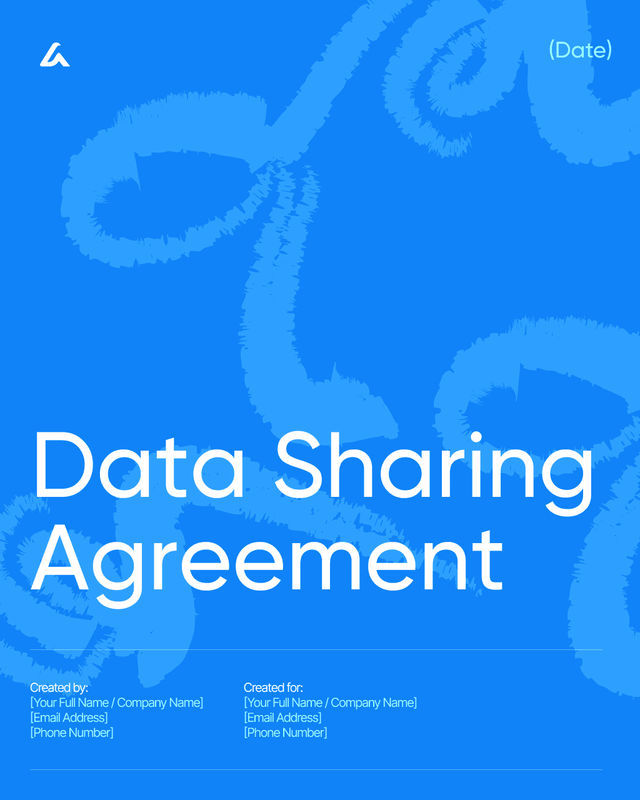 Data Sharing Agreement Template
 Vendor Due Diligence Questionnaire Template
 Information Security Policy Template
  Access Control Policy Template
  Sanctions Compliance Policy Template
  RETURN AND EXCHANGE POLICY TEMPLATE
 Refund Policy
  SHIPPING POLICY TEMPLATE
  Records Retention Policy Template
  Social Media Policy Template
  Records of Processing Activities (RoPA) Template
 Source of Wealth Declaration Form Template
  Procurement Policy Template
  Technical and Organizational Measures Template
  **PRIVACY POLICY TEMPLATE**
  Telehealth Consent Form