AI Assisted
Export: PDF & DOCX
Get your custom agreement in minutes
4.8 Rating
Downloaded 4471 times
Get your complete
agreement in minutes
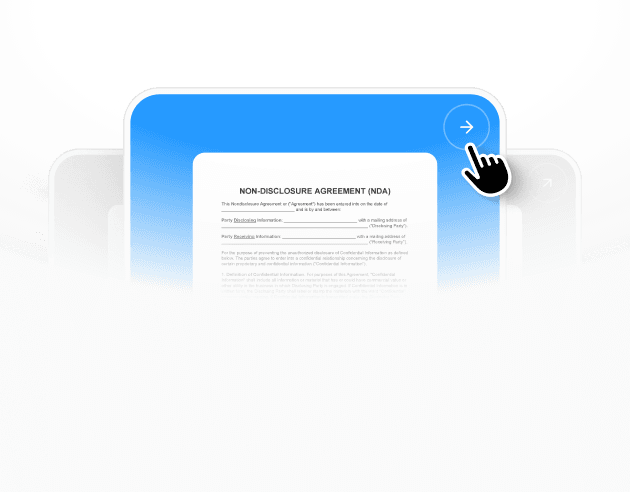
Select a template
Each template already follows legal structure and best practices.
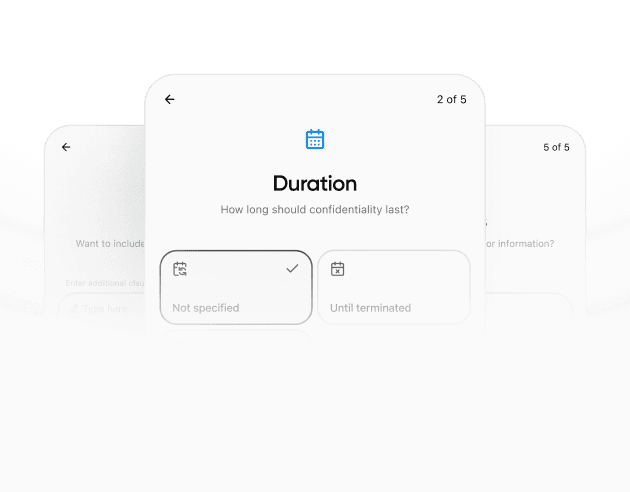
Provide details
The agreement is automatically filled and adapted to your inputs.
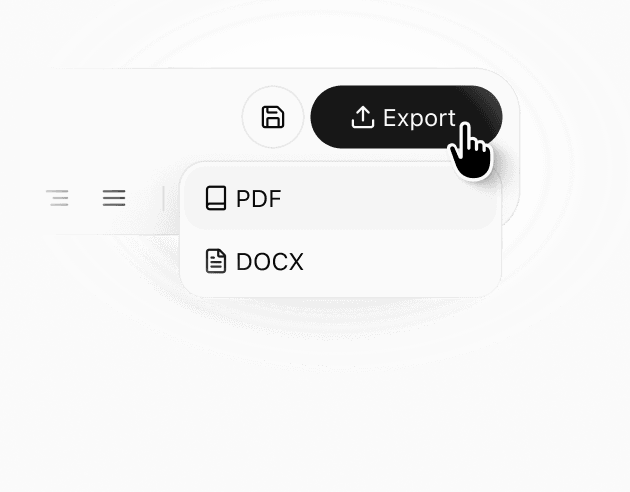
Review & download
Check the generated document, make edits if needed, and download a ready-to-use agreement.
Details
Learn more about
KYC Form Template: Verification & Compliance – Illinois
Illinois KYC Form Template FAQ
What problem does an open-items log solve in KYC processing?
An open-items log prevents onboarding from stalling in scattered emails and message threads by listing what is missing, who owns the follow-up, and when it is due. It also reduces repeat work because a new reviewer can see exactly which items were requested and whether they were closed. This is especially useful when customers submit documents in multiple rounds or when onboarding spans more than one team. A short log is often enough to keep momentum and improve accountability without turning the KYC file into a long narrative.
How should exceptions be handled without making the file confusing?
If a file is approved with a deviation from your normal process, it helps to record the exception type, who approved it, and the scope or condition of the approval. This keeps exceptions visible and traceable rather than implied through informal notes. A clear exception block also supports quality control because managers can review exception patterns across files. The key is to keep the entry neutral and factual, focusing on what was approved and why it was treated differently, without overstating legal conclusions or making promises about future treatment.
What is a good way to track versioning and updates to customer information?
Versioning can be kept simple by recording the last updated date, who made the update, and which section changed. This makes it easier to understand whether a file is current without digging through multiple documents. If a customer provides a new ID or address proof, referencing the new file ID and leaving the older reference intact in the history can preserve traceability. The goal is to treat KYC as an evolving record rather than a single snapshot, so changes are documented clearly and the most current information is easy to locate.
How can internal routing fields speed up onboarding decisions?
Routing fields like case owner, reviewer, and decision status help files move through a queue without ambiguity. When those fields are missing, files often sit because no one is sure who is responsible for the next step. A short routing block also helps escalations because managers can see where a file is stuck and what is outstanding. AI Lawyer templates can be configured to keep routing fields consistent across customers, which reduces handoff errors and makes it easier to train staff on a repeatable workflow.
What should be recorded when information is inconsistent across submissions?
If the customer submits multiple versions of a document or provides inconsistent details, the file should record which version was accepted and why. This can be done with a short note plus the accepted document reference ID, rather than a long explanation. Recording the discrepancy and resolution prevents later reviewers from reopening the same issue and asking the customer again. It also helps customer support respond confidently if the customer disputes what was requested. The goal is a clear trail from initial submission to final verified record.
Should the KYC form store full identification numbers?
Whether to store full ID numbers depends on your internal policy and how your systems control access. Many organizations record only limited identifiers in the form and rely on a secure document repository for the full scan, referenced by file ID. This can reduce unnecessary exposure of sensitive data while still preserving verification traceability. If you do store full numbers, ensure the form is handled with appropriate access controls and retention practices. The form should be structured so verification is possible even if the most sensitive detail is stored elsewhere.
How can teams keep KYC files consistent across locations or departments?
Consistency improves when every file uses the same field names, the same date formats, and a predictable place for document references and internal decisions. That structure allows reviewers to scan quickly and reduces errors caused by missing or misfiled information. Standardizing the open-items log and the exception block also helps, because outstanding items are captured in the same way across cases. When teams use the same template, training is simpler and onboarding throughput tends to improve, even when multiple departments share the workload.
Similar templates