
What is an Anti-Bribery and Corruption Policy?
It is a formal policy that prohibits bribery, kickbacks, and corrupt practices within an organization, setting standards for ethical business conduct and compliance with applicable laws.

This Anti-Bribery and Corruption Policy (“Policy”) applies to all employees, officers, directors, contractors, and third-party representatives (“Personnel”) of [Company Name].
The purpose of this Policy is to set out [Company Name]’s zero-tolerance stance toward bribery and corruption and to ensure compliance with applicable laws, including the U.S. Foreign Corrupt Practices Act (FCPA), UK Bribery Act, and relevant local regulations.
Personnel must not:
Offer, give, solicit, or accept bribes, kickbacks, or facilitation payments.
Provide or accept gifts or hospitality intended to improperly influence decisions.
Use company funds or assets for unlawful purposes.
Offer, give, solicit, or accept bribes, kickbacks, or facilitation payments.
Provide or accept gifts or hospitality intended to improperly influence decisions.
Use company funds or assets for unlawful purposes.
Reasonable and proportionate gifts or hospitality may be permitted if they are:
Not intended to gain improper business advantage.
Consistent with local laws and company policy.
Fully disclosed and recorded in accordance with company procedures.
Not intended to gain improper business advantage.
Consistent with local laws and company policy.
Fully disclosed and recorded in accordance with company procedures.
Third-party vendors, consultants, and agents must undergo due diligence checks.
Contracts with third parties shall include anti-bribery compliance clauses.
The Company reserves the right to audit and monitor third-party compliance.
Third-party vendors, consultants, and agents must undergo due diligence checks.
Contracts with third parties shall include anti-bribery compliance clauses.
The Company reserves the right to audit and monitor third-party compliance.
All employees must complete mandatory anti-bribery training.
Employees are required to report any suspected violations immediately.
Failure to comply may result in disciplinary action, including termination.
All employees must complete mandatory anti-bribery training.
Employees are required to report any suspected violations immediately.
Failure to comply may result in disciplinary action, including termination.
Reports can be made confidentially via [Company hotline/email].
The Company prohibits retaliation against individuals who report violations in good faith.
Investigations will be conducted promptly and fairly.
Reports can be made confidentially via [Company hotline/email].
The Company prohibits retaliation against individuals who report violations in good faith.
Investigations will be conducted promptly and fairly.
Employees or third parties found violating this Policy may face termination, contract cancellation, legal proceedings, and liability for damages.
This Policy shall be reviewed annually and updated as necessary to reflect changes in law or business operations.
All Personnel must acknowledge in writing that they have read, understood, and agreed to comply with this Policy.
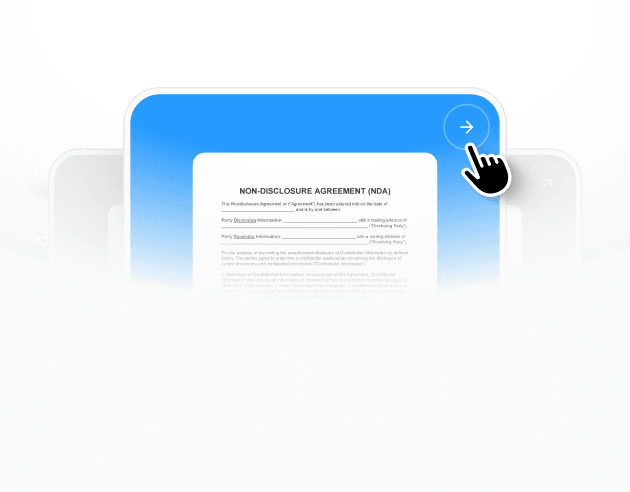
Each template already follows legal structure and best practices.
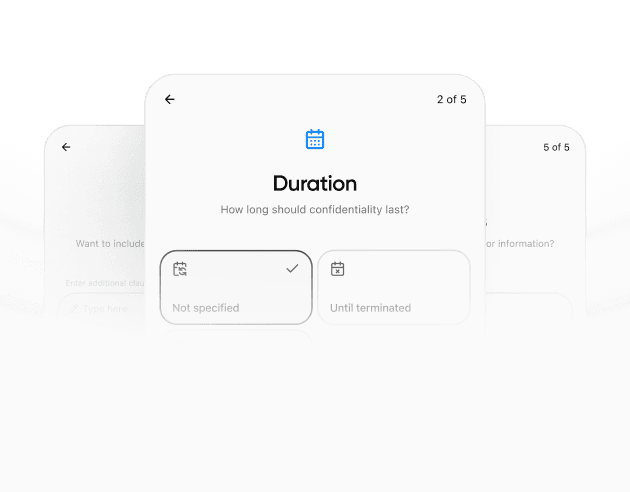
The agreement is automatically filled and adapted to your inputs.
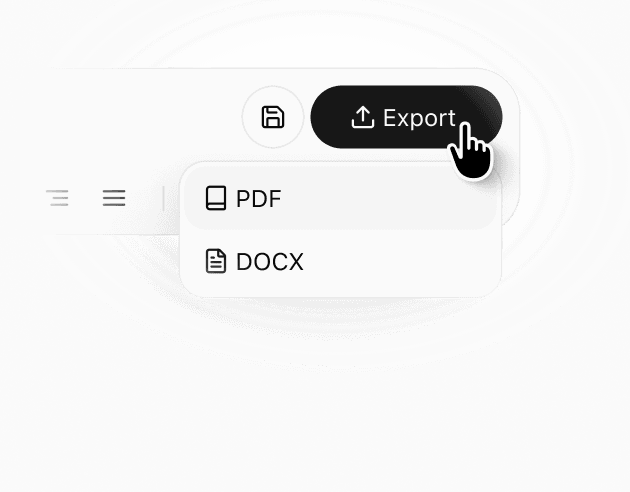
Check the generated document, make edits if needed, and download a ready-to-use agreement.
Click below for detailed info on the template.
For quick answers, scroll below to see the FAQ.
Frequently asked
It is a formal policy that prohibits bribery, kickbacks, and corrupt practices within an organization, setting standards for ethical business conduct and compliance with applicable laws.
It protects organizations from legal penalties, reputational harm, and financial losses. It also demonstrates a commitment to ethical practices, which strengthens trust with employees, partners, clients, and regulators.
Organizations should implement this policy as part of their compliance framework and use it during employee onboarding, third-party due diligence, and regular training sessions.
It should cover prohibited practices (e.g., bribery, facilitation payments), acceptable gifts and hospitality, third-party dealings, employee responsibilities, reporting channels, investigation procedures, and disciplinary consequences.
Yes. Vendors, suppliers, consultants, and contractors engaged by the organization must also comply, ensuring that anti-bribery standards extend across the supply chain.
Use our AI-powered builder to generate a tailored Anti-Bribery and Corruption Policy in minutes — professional, compliant, and ready for implementation.
 Cookie Policy This Cookie Policy ("Agreement") is entered into by and between: Company: [Company Name] Address: [Company Address] Website: [Website URL] and User: Any… Policy and Compliance Documents
  Disclaimer Template This Disclaimer ("Agreement") is entered into by and between: Company: [Company Name] Address: [Company Address] Website: [Website URL] and User: Any indiv… Policy and Compliance Documents
  This Open Source Contribution Policy (the “Policy”) is adopted by [Company Name] as of [Effective Date]. Purpose 1.1 Goal. This Policy defines the… Policy and Compliance Documents
  Data Sharing Agreement Template This Data Sharing Agreement (“Agreement”) is entered into on [Date], by and between: Party A: [Organization Name] Address: [Address] Contact: [Phone… Policy and Compliance Documents
  Company/Business Name: [Company Name] Customer Name: [Customer Legal Name] Customer ID / Account No.: [ID] Date of Request/Change: [Date] Effective Date… Policy and Compliance Documents
  Vendor Due Diligence Questionnaire Template This Vendor Due Diligence Questionnaire (“Questionnaire”) is provided by [Company Name] to assess potential vendors’ qualifications, compliance, and… Policy and Compliance Documents
  Date: [Date] Completed By (Name/Title): [Name, Title] Business/Entity Name: [Legal Name] Trading Name (DBA) (If Any): [DBA] Website (If Any): [URL] Primary… Policy and Compliance Documents
  Information Security Policy Template [Company Name] Information Security Policy Effective Date: [MM/DD/YYYY] Prepared by: [Department/IT/Compliance] Purpose The purpose of this Information… Policy and Compliance Documents
  Access Control Policy Template [Company Name] Access Control Policy Effective Date: [MM/DD/YYYY] Approved by: [Department/Board/Executive] Purpose This policy establishes guidelines for… Policy and Compliance Documents
  Anti-Money Laundering Policy Template This Anti-Money Laundering Policy (“Policy”) is established by [Company Name], effective as of [Date], to comply with applicable anti-money… Policy and Compliance Documents
  Company/Business Name: [Company Name] Department/Team: [Team] Form ID (Optional): [ID] Date Opened: [Date] Completed By: [Name, Title] Reviewer/Approver… Policy and Compliance Documents
  This Approval Request Form (the “Form”) is submitted on [Submission Date] by [Requester Name]. Request Overview 1.1 Request Title. [Short descriptive… Policy and Compliance Documents
  ACCIDENT INCIDENT REPORT TEMPLATE This Accident Incident Report (“Report”) is completed on [Date of Report] regarding an incident that occurred on [Date of Incident]. Reporting Party… Policy and Compliance Documents
  Beneficial Ownership Certification Form Template Entity Name: [Legal Entity Name] Entity Address: [Address] City, State, ZIP Code: [City, State, ZIP Code] Phone Number: [Phone Number] Email Address… Policy and Compliance Documents
  Biometric Consent Form Template [Organization Name] [Organization Address] [City, State, ZIP Code] [Email Address] [Phone Number] Date: [Date] Subject: Biometric Consent Form Organization… Policy and Compliance Documents
  Acceptable Use Policy (AUP) This Acceptable Use Policy ("Agreement") is entered into by and between: Company: [Company Name] Address: [Company Address] Website: [Website URL] and User… Policy and Compliance Documents
  Biometric Information Privacy Policy Template Company Name: [Company Name] Policy Effective Date: [Date] Policy Reference Number: [Reference Number, if applicable] Department Responsible: [HR /… Policy and Compliance Documents
  42 CFR Part 2 Authorization Form Template Patient Name: [Full Name] Date of Birth: [Date of Birth] Address: [Address] City, State, ZIP Code: [City, State, ZIP Code] Phone Number: [Phone Number] Ema… Policy and Compliance Documents
  BYOD Policy Template [Company Name] Bring Your Own Device (BYOD) Policy Effective Date: [MM/DD/YYYY] Prepared by: [Department/IT/Compliance] Purpose The purpose of this BYOD… Policy and Compliance Documents
  Whistleblower Policy Template Company / Organization Name: [Company Name] Document Title: Whistleblower Policy Effective Date: [Date] Version: [Version Number] Policy Owner: [Departmen… Policy and Compliance Documents
  Bug Bounty Policy Template This Bug Bounty Policy (“Policy”) is adopted by [Company Name] and applies to all external security researchers and participants engaging with the… Policy and Compliance Documents
  This Vulnerability Management Policy (the “Policy”) is adopted by [Company Name] as of [Effective Date]. Purpose 1.1 Purpose. This Policy defines how… Policy and Compliance Documents
  Business Continuity Plan Template [Company Name] Business Continuity Plan (BCP) Date: [MM/DD/YYYY] Version: [Version Number] Prepared by: [Name/Department] Purpose and Scope This Business… Policy and Compliance Documents
  Vulnerability Disclosure Policy Template This Vulnerability Disclosure Policy (“Policy”) is published by [Organization Name] on [Date] to provide clear guidelines for reporting potential… Policy and Compliance Documents