AI Assisted
Export: PDF & DOCX
Get your custom agreement in minutes
4.8 Rating
Downloaded 3399 times
Get your complete
agreement in minutes
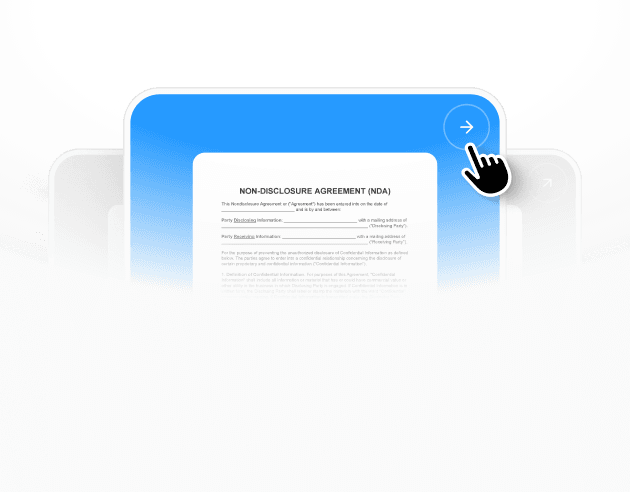
Select a template
Each template already follows legal structure and best practices.
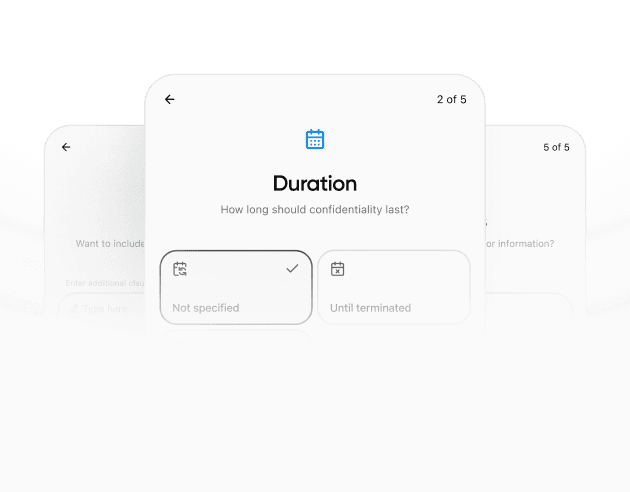
Provide details
The agreement is automatically filled and adapted to your inputs.
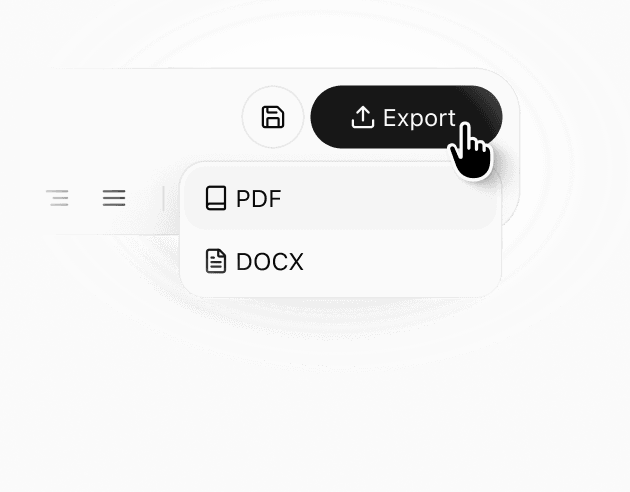
Review & download
Check the generated document, make edits if needed, and download a ready-to-use agreement.
Details
Learn more about
KYC Form Template: Verification & Compliance – Texas
Texas KYC Form Template FAQ
What is the difference between a customer KYC file for an individual versus an entity?
Individual KYC files typically focus on identity and address verification, while entity files also need a clear record of the business profile and the people connected to the organization. That can include ownership, control persons, or authorized signers depending on how your onboarding is structured. A clean entity file avoids ambiguity by listing names, roles, and document reference IDs in a structured way. Even if your process only needs a summary, distinguishing between the entity and the individuals behind it makes later updates easier when signers change or ownership evolves.
Why is an ownership and authority matrix useful during onboarding?
An ownership and authority matrix puts key people details into rows and columns so reviewers can quickly confirm who is connected to the entity and what capacity they have. It also helps prevent omissions when there are multiple individuals involved, because each row prompts the same set of fields. This structure is easier to update than a paragraph if the entity changes its signers or controllers. It can also reduce back-and-forth because follow-ups can be tied to a specific row. The matrix is intended as an internal organization tool, not as a legal determination by itself.
How should the form capture source of funds without becoming overly intrusive?
A practical approach is to use a short category field for source of funds, paired with an optional description when more context is needed. This allows routine customers to complete the form quickly while giving reviewers a way to document higher-risk scenarios. If supporting records are collected, referencing them by file ID keeps sensitive detail out of the main form. The key is consistency: the same categories and the same reference method across customers make internal review faster and reduce subjective interpretation.
Can someone submit KYC information on behalf of the customer?
Some onboarding processes allow an authorized representative to submit documents, but the file should clearly record who submitted the information and what authority they claim. This helps reviewers know who to contact for follow-up and reduces confusion about whether the customer personally confirmed key details. If your process requires the customer’s own declaration, the consent section can still be signed by the customer even when a representative handled the upload. Clear attribution is the main goal, because it keeps the record coherent when multiple people are involved.
What should be done when documents are incomplete or hard to read?
When a document is unclear, record the issue in internal notes and request a replacement with a clear due date rather than proceeding on assumptions. A structured follow-up entry helps teams avoid repeating requests and keeps the case moving. If multiple versions are submitted, use reference IDs to distinguish them so reviewers know which scan was accepted. This is especially important for IDs with glare, cropped corners, or unreadable numbers. A file that shows what was received, what was rejected, and what was accepted is easier to defend and easier to manage later.
How can AI Lawyer help standardize entity onboarding packets?
AI Lawyer can help you keep entity onboarding consistent by using repeatable sections for business details, ownership and authority capture, and document reference IDs. This reduces the chance that a file is approved with missing information simply because a reviewer could not find it. It also makes training easier because staff learn one structure and apply it across customers. You still control what you require and how you verify it, but a standardized template can reduce rework, shorten turnaround times, and improve handoff quality between teams.
Does completing the KYC form guarantee approval or ongoing access?
No. The form is a collection and documentation tool, not a promise of approval. A business may still request additional information, pause onboarding, or decline the relationship based on internal criteria or inconsistencies discovered during verification. The value of the form is that it shows what information was provided and what decision was recorded at that time. Keeping decision status, reviewer identity, and dates in the file makes outcomes clear and reduces confusion if the customer asks why more information is needed later.
Similar templates