AI Lawyer Blog
Bill of Sale: Templates, Tips, and Key Terms for U.S. Sales

Greg Mitchell | Legal consultant at AI Lawyer
3
Private sales are a normal part of life in the U.S. — cars, motorcycles, boats, trailers, and equipment get bought and sold every day without a dealer involved. A handshake deal can fall apart the moment money changes hands. The buyer may get stuck at the DMV, the seller may keep receiving toll tickets, or either side may later argue about price, condition, or whether ownership was actually transferred. A clear written record is what turns a casual deal into something you can prove.
A Bill of Sale is also practical because many states treat it as part of the registration or titling “paperwork packet,” especially when the title is missing details, the property is older, the transaction is a gift, or the item is sold “as-is.” Even when it isn’t strictly required, the document can prevent disputes by locking in key facts. If you’re unsure what your state expects, start with USA.gov’s State Motor Vehicle Services directory. Some states publish a preferred form or guidance as well (for example, Connecticut DMV guidance on a Vehicle Bill of Sale).
Disclaimer
This article provides general information about a Bill of Sale and related paperwork in the United States. It is not legal advice. DMV rules and legal requirements vary by state and by the type of property, so confirm the current requirements for your specific state and transaction (especially for registration, taxes, and notary rules). If your situation involves liens, missing titles, or cross-state transfers, extra steps may apply.
TL;DR
A Bill of Sale is a written record that proves a private sale happened. It identifies the buyer and seller, the item, the price, and the date of transfer.
Use a Bill of Sale when you need a DMV-ready paper trail for registration and taxes. Rules vary by state, but a Vehicle Bill of Sale is commonly requested for cars, motorcycles, boats, and trailers in private-party deals.
A Bill of Sale does not replace a Certificate of Title, but it supports the title transfer. It documents the “who/what/when/how much” and ties the transaction to the correct identifiers (VIN, HIN, or serial number).
A strong Bill of Sale Form makes the handoff executable and reduces disputes. Include payment method, “As-Is” vs warranty terms, signatures, and make sure both sides keep copies.
Start with a template that matches your scenario so the right fields are already there. Then save a signed PDF and keep a Printable Bill of Sale for in-person submissions if needed.
If the deal is high-stakes or complicated, a lawyer review can prevent expensive mistakes. This matters most with missing titles, liens, cross-state transfers, or disputes about condition and promises.
You Might Also Like:

What Is a Bill of Sale? (Meaning, Definition, and Purpose)
A Bill of Sale is a signed written record that documents a transfer of property from a seller to a buyer. In plain terms, it answers the questions that matter later: who the parties are, what was sold, when it changed hands, and for how much. In a private transaction — where there’s no dealer invoice or standardized closing paperwork — a Bill of Sale often becomes the clearest proof that the sale happened and that ownership (or possession) was handed over.
People often search “what is a Bill of Sale” because they’re trying to solve a practical problem: the DMV wants paperwork, the buyer wants confirmation they paid for the right item, or the seller wants protection in case the buyer never registers the vehicle and keeps racking up tickets. This document turns an informal exchange into a traceable transaction. It can also support related steps like insurance changes, tax reporting, or internal business records when a small business sells equipment or vehicles.
Why a Bill of Sale matters even when you already have “proof of payment”
A bank transfer, Venmo note, receipt screenshot, or cashier’s check can show money moved — but it usually doesn’t capture the full deal. Payment proof rarely identifies the asset precisely or spells out the conditions of the sale. That’s where a Bill of Sale helps:
It ties the payment to the specific item. A Vehicle Bill of Sale can list the VIN; a Boat Bill of Sale can list the HIN; an Equipment Bill of Sale can list a serial number.
It records the agreed terms in plain language. For example, whether the sale was “As-Is,” whether anything was promised, and what’s included (keys, trailer, spare parts, attachments).
It creates a clean record for registration and taxes. Many DMVs use the sale price for tax calculations, so a documented price can matter.
If you want to see the kind of information state agencies commonly expect, it helps to start from official motor vehicle resources like USA.gov’s State Motor Vehicle Services directory, which points you to your state’s DMV or equivalent agency.
Simple example: what a Bill of Sale is “doing” for both sides
Think of a Bill of Sale as a short, transaction-focused snapshot:
Seller: “I transferred this item to you on this date for this price, under these terms.”
Buyer: “I received this item from you on this date and paid this price, under these terms.”
That mutual acknowledgement is what reduces the ‘he said, she said’ risk later. For a car sale, it also helps show that a particular vehicle (by VIN) was sold at a particular time — useful if registration, insurance, or liability questions come up.
What it is not
A Bill of Sale is not automatically the same thing as a Title Transfer or a Certificate of Title. In most states, the title is the primary ownership document for vehicles, while the Bill of Sale is supporting paperwork. For other property (like tools, furniture, or business equipment), a Bill of Sale may be the main document that proves the transfer.
Format: paper vs PDF vs handwritten
A Bill of Sale can be typed, printed, and signed. You can also scan it to PDF for storage and sharing. The best format is the one your state agency will accept and that clearly captures the required details. Many people use a simple Bill of Sale because it’s fast — just make sure it still includes the identifiers and signatures that make it useful.
Bill of Sale vs Similar Documents
A Bill of Sale records the deal itself, while other documents prove ownership, allocate liability, or set longer obligations. In private sales, confusion usually happens because several papers can look “official,” but they serve different functions.
A Bill of Sale is the transaction snapshot: buyer/seller identities, what was sold, the price, the date, and key terms like “As-Is” or a limited warranty. People often start with a blank form, then sign it and keep a copy (paper and/or PDF) for their records. The important part is understanding what the Bill of Sale supports — and what it does not replace.
Certificate of Title / Title Transfer (Vehicles)
A Certificate of Title is typically the controlling ownership document for a vehicle, and a Bill of Sale supports the Title Transfer rather than replacing it. In many states, the buyer can’t complete registration without a properly assigned title, even if the Vehicle Bill of Sale is flawless. The title shows legal ownership; the Bill of Sale commonly supports the sale price, transfer date, and identifiers like the VIN.
Purchase Agreement
A Purchase Agreement governs promises; a Bill of Sale confirms the handoff happened on stated terms. If the deal includes a deposit, payment plan, inspection contingency, return rights, or other “if/then” terms, those details usually belong in a Purchase Agreement. The Bill of Sale is often signed at delivery to memorialize the final agreement and the transfer.
Receipt or Proof of Payment
A receipt or payment record helps show money moved, but it’s rarely the full story. Proof of payment usually does not identify the asset precisely or capture condition and warranty terms that drive disputes. A Bill of Sale connects payment to the exact item (VIN/serial/HIN) and clarifies what was included and on what terms.
Gift Letter / Gift Affidavit
A Gift Letter or Gift Affidavit documents that the transfer was a gift, which can affect state fees and tax treatment. Some states want an explicit statement when the price is $0 or below market; you can still use a Bill of Sale-style record to list the item details and transfer date.
Release of Liability / Notice of Transfer
A Release of Liability (or Notice of Transfer) is usually seller-focused. It documents when the seller’s responsibility ends after possession changes hands, which can matter if the buyer delays registration and tickets or toll notices arrive later.
Document | Primary purpose | Best used for | What it typically doesn’t replace |
|---|---|---|---|
Bill of Sale | Records the transaction facts and terms | Private sales of vehicles/property/equipment | Certificate of Title requirements for vehicles |
Certificate of Title / Title Transfer | Proves legal vehicle ownership | Titling and registration | Deal terms like “As-Is,” price explanation |
Purchase Agreement | Sets obligations, contingencies, remedies | Complex deals (deposits, payment plans) | A signed handoff record |
Receipt | Shows payment occurred | Supporting proof of payment | Asset identifiers and sale terms |
Gift Letter / Gift Affidavit | Confirms a gift transfer | Family gifts, $0 transfers | Title and registration steps |
Release of Liability / Notice of Transfer | Limits seller’s post-sale exposure | Marking transfer date for liability | Buyer’s registration and titling duties |
Rule of thumb: use a Bill of Sale to document the deal, then confirm what your state requires for Title Transfer, registration, and any seller notices.
When Is a Bill of Sale Needed?
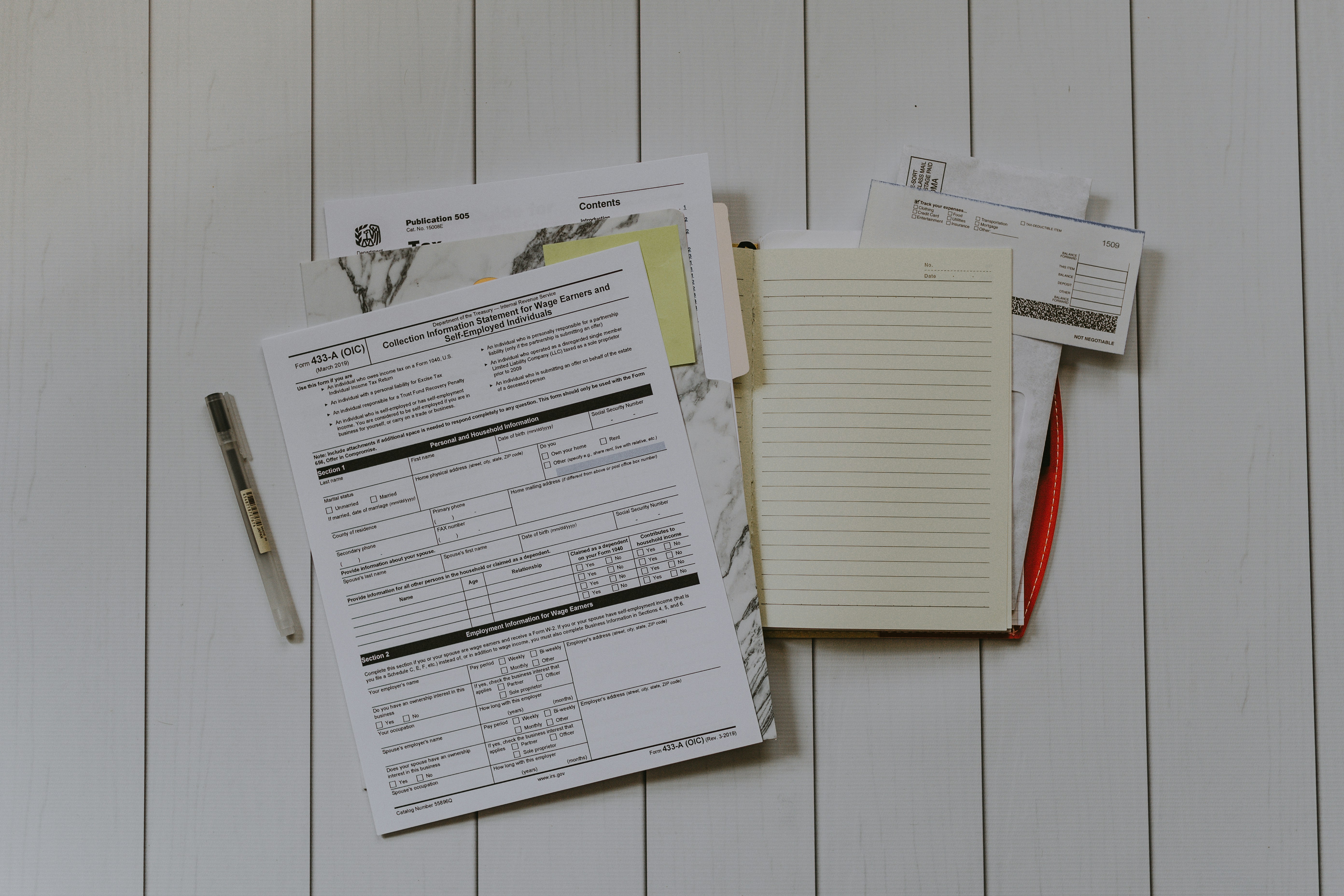
A Bill of Sale is often useful as a signed record that documents the transfer terms and payment for a private transaction. It typically confirms what was transferred, between whom, for what amount, and on what date — but it doesn’t always, by itself, “create” legal ownership for property that has separate title rules.
In practice, a Bill of Sale is most recommended when there’s a meaningful chance you’ll need to prove the deal details later. If the item is valuable, the terms are easy to misunderstand, or a dispute is even slightly plausible, a Bill of Sale can save time and money by locking in the facts. This applies beyond transportation: private sales of equipment, tools, electronics, furniture, collectibles, and other personal property can benefit from a clear record — especially when the sale is “As-Is,” accessories are included, or payment happens in cash or installments.
Vehicles are simply the most visible use case because registration triggers paperwork. For DMV registration, some states require a Vehicle Bill of Sale or prefer a state-specific DMV form, while other states treat it as optional supporting documentation. A Bill of Sale for a Car is also commonly used to document the sale price and to match the transfer to the correct vehicle identifiers. The same logic can apply to other registrable property (like boats or trailers) depending on the state: the agency may want a written record of the transaction details even when another document is the main proof of ownership.
Quick Checklist: Do You Need a Bill of Sale?
Consider using a Bill of Sale if any of the following are true:
The item is high-value or uniquely identifiable (VIN, HIN, serial number).
The sale is “As-Is,” or there are limited warranty terms or specific promises.
The price could be questioned later (taxes/fees, unusually low price, or a gift).
Payment is cash-based, split into installments, or otherwise informal.
The buyer may need supporting paperwork for registration, taxes, or insurance updates.
The deal crosses state lines, or the buyer will register in a different state.
You’re a small business selling or disposing of equipment or other assets and want clean records.
Best practice: confirm what your state agency expects before you print, sign, or submit anything. A reliable starting point is USA.gov’s State Motor Vehicle Services directory.
What a Bill of Sale Typically Includes (Core Fields + Checklist)
A well-written Bill of Sale is specific enough that a third party could match it to the right item and understand the deal terms quickly. The exact fields vary by state and by what you’re selling, but most Bill of Sale Form documents follow the same backbone: who, what, how much, when/where, and on what terms.
Core fields most Bills of Sale should include
1) Buyer and seller information
Use full legal names and a physical address for each party (phone/email are optional). If a business is involved, include the business legal name and the authorized signer’s name and title. This is what prevents “the wrong John Smith” problems later.
2) Item description (with identifiers when available)
Describe the item so it can’t be confused with something similar. For personal property, include brand/make, model, color, quantity, and any unique marks. For equipment, add the model number and serial number (or tag number). If there are multiple items, attach a short list (“Exhibit A”). For registrable or high-value items, identifiers are critical: vehicles usually use the VIN; boats often use the HIN; trailers and equipment commonly use a serial number. Double-check characters (0 vs O) before signing.
3) Sale price and payment terms
State the total price in U.S. dollars and the payment method (cash, cashier’s check, bank transfer). Note whether it’s “paid in full” at signing; if not, list the deposit, remaining balance, and due dates. For gifts, list $0 and state that the transfer is a gift.
4) Date, location, and transfer timing
Include the sale date and the city/state where the transfer occurred. Many parties also add one line that clarifies timing, such as “possession transfers to buyer on [date/time],” so responsibility is clear.
5) Condition terms and promises
State whether the item is sold “As-Is” or with a warranty. If any promise exists, be precise (what is covered and for how long). If you want extra clarity, you can list included accessories and any known defects disclosed to the buyer.
6) Signatures (and any required formalities)
Include both signatures, printed names, and the signature date. Some states or transactions require notarization or witnesses; leaving space for a notary block can make the same Printable Bill of Sale usable if needed. Each party should keep a signed copy, and it’s smart to scan and save a signed PDF copy.
Vehicle and registration-related fields (when applicable)
Identifiers and mileage details are the fields most likely to cause registration delays when they’re missing or inconsistent. If the item may be registered or titled, add year/make/model and the VIN/HIN/serial number, and include the odometer reading if your transaction requires it.
Quick Checklist (print-and-fill friendly)
Section | What to include | Why it matters |
|---|---|---|
Parties | Names, addresses, business signer (if any) | Confirms who agreed to the deal |
Item | Description + VIN/HIN/serial + included items | Links the record to the exact asset |
Price | Total price + payment method + schedule | Prevents payment disputes |
Timing | Date + city/state + possession line | Clarifies when responsibility changed |
Terms | “As-Is” or warranty + disclosures | Sets condition expectations |
Signatures | Signatures + printed names + notary space | Makes the record usable as evidence |
DMV & Registration Checklist
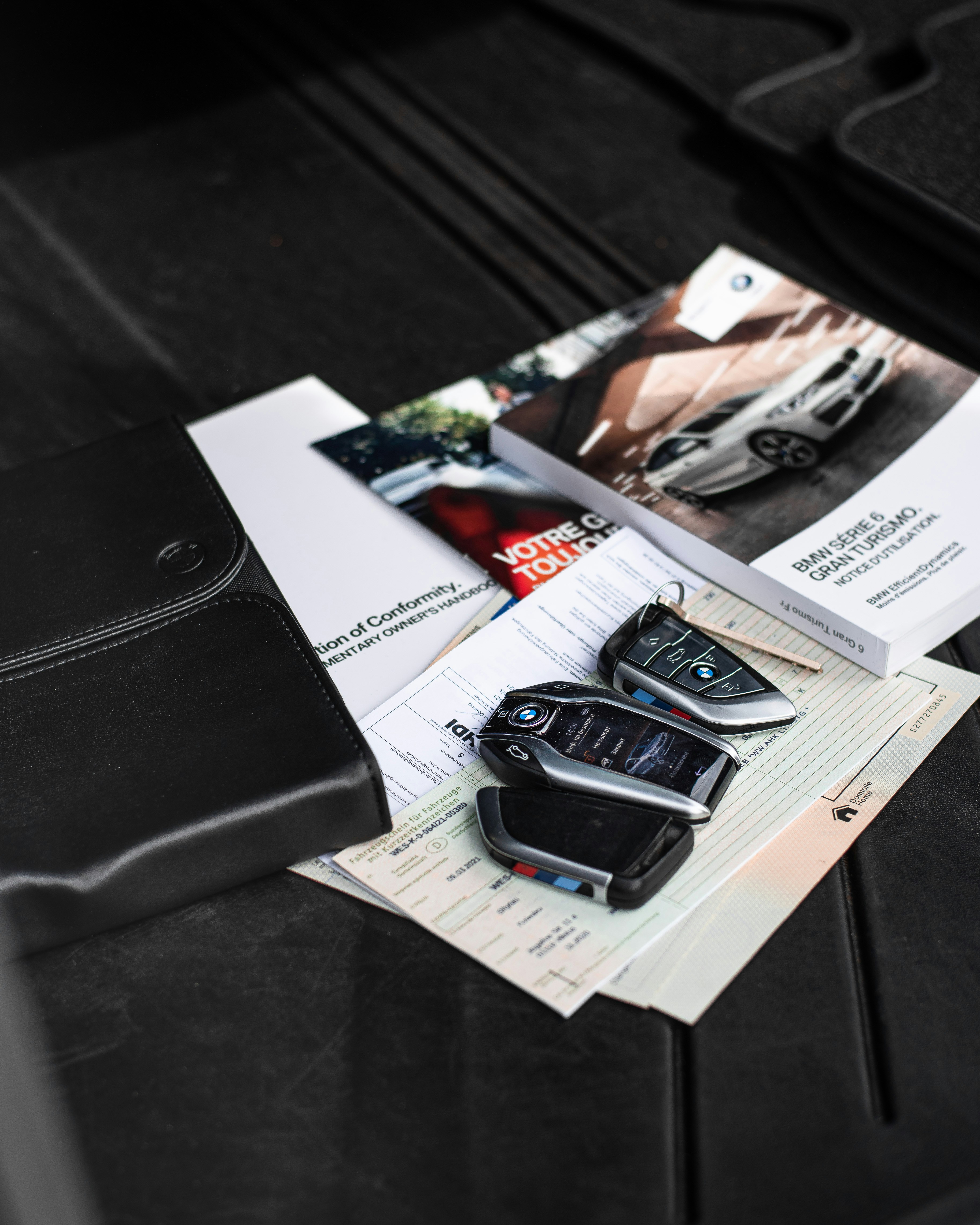
DMV requirements vary by state, so the “right” paperwork is the set your state agency expects for your specific vehicle and transaction type. In some states, a Bill of Sale is optional supporting documentation; in others, it may be required for registration or tax purposes — especially for private-party transfers, gifts, or older vehicles.
Start by checking your state’s official motor vehicle agency (not a random blog). A reliable directory is USA.gov’s State Motor Vehicle Services page. Some states also publish specific guidance or a preferred form (for example, Connecticut DMV’s information on a Vehicle Bill of Sale). If your state provides an official form, use that first; treat generic templates as a backup.
Before you meet to sign
Confirm what your state requires for your vehicle type (car, motorcycle, trailer, boat) and your transaction (sale vs gift).
Make sure the title is available and ready to be properly assigned (and check whether a lien release is needed).
Verify the identifiers you’ll enter on the Bill of Sale: VIN for most vehicles, and other identifiers as applicable.
At signing and handoff
Complete the Bill of Sale with accurate names/addresses, sale price, date/location, and the correct VIN.
Add mileage information if your state requires an odometer disclosure for that vehicle.
Decide how you’ll handle copies: many people sign two originals, then scan one to store as a Bill of Sale PDF. If you need a Bill of Sale printout for a counter visit, bring a clean, legible copy.
The “DMV-ready packet” checklist
Item | Why it matters | Notes |
|---|---|---|
Certificate of Title (assigned) | Proves legal ownership for vehicles | Check signatures, dates, and any required sections |
Bill of Sale | Supports price, transfer date, and terms | Use state form if available; keep copies |
Lien Release (if applicable) | Shows the lien is satisfied | Required if a lien is listed on the title |
Odometer Disclosure (if required) | Helps prevent mileage disputes | Rules vary by state and vehicle type |
Taxes/Fees payment | Required to complete registration | Expect sales/use tax and registration fees |
Inspection/Emissions (if required) | Some states require compliance | Timing can matter — check local rules |
Quick “will the DMV accept this?” self-check
The buyer/seller names match IDs and the title.
VIN is copied exactly (no “0/O” mistakes).
Price and date are filled in (and make sense for tax purposes).
Signatures are present where required.
Notary/witness space is included if your state expects it.
You have a Printable Bill of Sale for Car registration if your DMV prefers paper submission.
As-Is vs Warranty
“As-Is” language tells the buyer they are accepting the item in its current condition, and it reduces arguments about defects discovered after the sale. In private transactions, this is one of the most important parts of a Bill of Sale because it sets expectations: what the seller is (and is not) promising.
“As-Is” does not excuse fraud, and it doesn’t override state rules that may require specific disclosures in certain situations. But it does something very practical: it limits ambiguity. When the document clearly states the item is sold “As-Is,” it becomes harder for a buyer to claim they were guaranteed a condition that was never promised. That matters for vehicles, equipment, and personal property alike — anything where “it worked yesterday” can turn into a dispute today.
Warranty language is the opposite: it’s a promise. Sometimes a private seller truly wants to offer a limited warranty or a narrow statement of fact (for example, that the seller owns the item, or that certain accessories are included). If you choose warranty language, being specific is what protects both sides. Broad, subjective phrases like “great condition” are easy to argue about; narrow, factual statements are easier to understand and verify.
Here are a few style-only examples of clear drafting (not legal advice):
As-Is style: “Buyer accepts the item in its current condition, with no warranties expressed or implied.”
Fact statement style: “Seller states the item is owned by seller and is transferred without any known liens.”
Limited warranty style: “Seller provides a limited warranty that the item will operate as described for 7 days from the transfer date.”
If you disclosed a known issue (for example, “needs a battery,” “cracked lens,” “scratch on the hull”), write it down. A short disclosure line can prevent a long argument later because it shows the buyer was informed before signing. And if the buyer negotiated a specific promise — extras included, delivery timing, or a lien payoff — those details should also be written clearly in the Bill of Sale.
How to Write a Bill of Sale (Step-by-Step)

Writing a Bill of Sale is mostly about accuracy and completeness, not fancy language. If the names, identifiers, price, and terms are clear, you’ll have a document you can rely on later.
Step 1: Start with the closest template for what you’re selling
Choose a blank Bill of Sale that matches the transaction type so you don’t miss key fields. If your state publishes an official form for registration purposes, use that version first; otherwise, start with a simple template and adjust as needed.
Step 2: Fill in the parties exactly as they appear on IDs
Use full legal names and current addresses. For businesses, list the business legal name and the authorized signer’s name/title. Mismatch problems are common — and they’re easy to prevent by copying names directly from identification.
Step 3: Describe the item precisely (and add identifiers)
Include enough detail that the item can’t be confused with something similar. For personal property, list brand/make, model, and distinguishing details; for equipment, include a serial number if available. For vehicles, include year/make/model and the VIN; for boats, the HIN may be relevant. If you’re unsure whether an identifier is correct, verify it from the item itself before you sign.
Step 4: Add the price and payment method (and any schedule)
State the total sale price and how payment was made. If money will be paid over time, write the deposit amount, remaining balance, and due dates. If the transfer is a gift, state $0 and note that it is a gift.
Step 5: Write the condition terms clearly (“As-Is” or warranty)
Choose one of two approaches:
If it’s “As-Is,” say so plainly.
If you’re making promises, make them narrow and factual (what is promised, for how long, and what’s excluded).
The strongest documents match the real deal the parties agreed to, not what a template assumes.
Step 6: Set the timing and location of the transfer
Include the date of sale and the city/state where the transfer occurred. If payment and pickup happen at different times, add a one-line “possession transfers on [date/time]” statement.
Step 7: Sign properly and make copies
Have both parties sign and print their names, then give each side a copy. If notarization is required in your state or for your specific transaction, sign in front of the notary and complete the notary block as instructed. A document that isn’t signed (or isn’t signed correctly) is the most common reason a Bill of Sale becomes useless.
Step 8: Save it in the right formats (edit vs final)
Use an editable format while drafting, then save a clean final PDF for storage and sharing. A Bill of Sale Template Word file is convenient for edits, while a Bill of Sale Template PDF is often best as the final version. For in-person submissions, keep a clean printable copy as well.
Step 9: Store it like you might need it later
Keep your signed copy (and any supporting photos of identifiers or mileage) in a safe place. If questions come up later, you’ll be glad you have a clean record.
Common Mistakes to Avoid
Most Bill of Sale problems come from missing facts, not legal nuance. They happen because the document is vague where it must be specific — names, identifiers, price, timing, and condition terms. A clear, complete record prevents misunderstandings and helps you avoid DMV delays when registration is involved.
1) Leaving out or misstating the identifier (VIN/HIN/serial)
A single wrong character in an identifier can delay registration and create “wrong item” disputes. For vehicles, one VIN typo can stall DMV processing. For boats, an incorrect HIN can cause similar headaches. For equipment and personal property, skipping a serial number makes it harder to prove which exact item was transferred.
How to fix it: Copy the identifier from the item itself and verify it character-by-character before signing. If you want an extra check for a VIN, use NHTSA’s VIN decoder (vPIC) to confirm the format and basic details.
2) Using names that don’t match IDs (or the title)
Name mismatches can weaken the paper trail when you need it for registration or a dispute. Nicknames, abbreviations, and incomplete addresses create confusion — especially if the parties later disagree about who signed or what was agreed.
How to fix it: Use full legal names exactly as shown on government ID, and match the title assignment where applicable.
3) Not documenting price and payment terms clearly
Unclear price and payment terms are one of the most common triggers for post-sale disputes. A receipt or “paid” note doesn’t capture deposits, balances due, or the actual agreement when payment isn’t straightforward.
How to fix it: State the total price, the payment method, and whether it’s paid in full or paid on a schedule with dates.
4) Forgetting the date, location, or transfer timing
Missing dates and locations make it harder to prove when responsibility changed hands. That can matter for taxes, tickets, tolls, or basic “who had it when” questions.
How to fix it: Include the sale date and the city/state, and add a one-line “possession transfers on…” note when pickup happens later.
5) Leaving condition terms vague (“As-Is” vs warranty)
If you don’t clearly state the condition terms, each side may remember the deal differently. “As-Is” should be explicit; warranty language should be narrow and factual.
How to fix it: Choose one approach and write it plainly, then list any included accessories or known issues you disclosed.
6) Missing signatures or required formalities
A form that isn’t signed correctly can become useless when you actually need it. In some states or scenarios, notarization or witnesses may also be expected.
How to fix it: Include both signatures, printed names, and the signature date, and follow any notary or witness requirements your state specifies.
7) Using the wrong form for your state’s DMV
Some states provide their own preferred form or required fields, so a generic template may be incomplete for registration.
How to fix it: Check your state’s official guidance before you print and sign. Start with USA.gov’s State Motor Vehicle Services directory to find the correct agency page for your state.
Legal Requirements and Regulatory Context

A Bill of Sale is generally governed by state contract and property rules, so what’s “required” versus merely “recommended” can change based on the state and the type of item. In broad terms, a Bill of Sale is used for personal property (goods and movable items), and it helps document the transfer terms and payment — even when other documents (like a title or deed) control ownership in a more formal system.
A good baseline is that a Bill of Sale strengthens proof and reduces disputes, but it doesn’t always function as the legal “ownership switch” for every category of property. Cornell Law School’s Legal Information Institute describes a Bill of Sale as a written instrument that attests to a purchase/transfer and typically includes the parties, item description, price, conditions, and signatures (see LII’s Bill of Sale overview).
General rules for “goods” and personal property
For many everyday items, the relevant legal backdrop is the Uniform Commercial Code as adopted in your state. Article 2 of the UCC governs sales of goods in most states (see LII’s UCC Article 2: Sales). One reason a written Bill of Sale matters is that some sales agreements may need a writing to be enforceable depending on the circumstances (for example, UCC “Statute of Frauds” concepts; see UCC § 2-201 on formal requirements).
“As-Is” and warranty disclaimers
Condition terms are not just “nice to have” — they can affect what warranties are implied or disclaimed under state law. If you’re using “As-Is” language or disclaiming implied warranties, the UCC provides specific guidance on how exclusions work (see UCC § 2-316 on exclusion or modification of warranties and the LII explainer on implied warranties).
Practical takeaway: warranty concepts can get technical, and the exact defaults vary based on the seller’s role and the state’s version of the rules. For most private sales, the goal is simple: clearly state whether the sale is As-Is or whether any specific, limited promises are being made — and write down any known issues disclosed before signing.
Titled or recorded property is a separate track
Some property types have their own official transfer system, and a Bill of Sale may support that system rather than replace it. Vehicles and certain other registrable items often fall into this bucket, which is why state agencies may ask for a Bill of Sale as part of filing — even if a title document controls ownership. To confirm what your state requires, start with USA.gov’s State Motor Vehicle Services directory and follow your state agency’s instructions. Real estate is different: it transfers by deed and recording, not by a Bill of Sale (see the National Association of Realtors guide on deeds and titles).
Notarization and witness requirements
Notarization is not universally required, but when a state or transaction does require it, signing outside the notary’s presence can break the filing. If you need a practical refresher on what notarization actually does (identity verification and acknowledgment), see the National Notary Association overview of notarization, then follow your state’s specific instructions.
Gifts and tax context (when price is $0)
A “gift” transfer can have different paperwork and tax considerations than a normal sale. If you’re documenting a gift (especially high-value property), it’s worth reviewing the IRS overview of gift tax basics (see IRS guidance on the gift tax) so you understand the difference between documenting the transfer and reporting obligations.
Bottom line: treat the Bill of Sale as the transaction record, and treat state-specific systems (titles, registration, deeds, notarization rules) as the compliance layer you must follow when they apply.
Bill of Sale Categories and Templates by Scenario
A Bill of Sale is not one-size-fits-all, and the biggest template mistake is starting from the wrong scenario. Different categories have different “must-capture” details, and missing the right details is how otherwise simple deals turn into registration delays, payment disputes, or “that’s not what I sold you” arguments.
Use this section to identify the closest category for your situation. Once you pick the right scenario, the document practically writes itself because the key fields become obvious. (In the Templates section later, you’ll be able to add internal links to the exact template pages for each category.)
Vehicle Sales
Use a vehicle-focused format when the item has a VIN and may be titled or registered (cars, trucks, motorcycles, some trailers, some RVs). The “must-capture” terms usually include the VIN, year/make/model, sale price, transfer date/location, and condition posture (“As-Is” or a specific warranty). If the transaction typically involves mileage disclosure in your context, you’ll also want the odometer reading to be consistent across the documents.
Boats and Watercraft
Use a boat/watercraft format when the asset is a vessel that may be registered and identified by a HIN. These transactions often have multiple components: the boat itself, an outboard motor (with its own serial), and sometimes a trailer. A good Boat Bill of Sale captures exactly what is included (vessel only vs vessel + motor + trailer), the identifying numbers, and the condition terms so there’s no confusion at handoff.
Trailers, Campers, and RV-Adjacent Transfers
Use a trailer-style format when the asset is a utility trailer, travel trailer, or camper trailer. The “must-capture” terms usually include the trailer VIN/serial (or other ID plate details), a clear description (type, size, weight class if relevant), and any included equipment (spare tire, hitch components, ramps). This category is also where “what exactly is included?” disputes pop up, so specificity helps.
Equipment and Business Assets
Use an equipment format when the item is machinery, tools, heavy equipment, or business property being sold outside a dealer process. The core difference here is identification and scope: model/serial numbers matter, and “what’s included” can be a long list (attachments, accessories, manuals, spare parts). If the seller is a business, the signer’s authority and the business legal name should be clear. This category benefits most from writing down condition, included components, and any known defects in plain language.
General Personal Property
Use a general personal property format for furniture, electronics, collectibles, hobby gear, and “everything else” that isn’t titled but is still worth documenting. The “must-capture” terms are simple: who, what, price, date/location, and condition posture. The main risk is vagueness — so your item description should be specific enough that it’s hard to confuse the item with another similar one.
Mobile Homes and Similar Property Types
Mobile/manufactured homes can fall into a different compliance track depending on how they’re classified and your state’s system. A Mobile Home Bill of Sale format is useful when it matches the identifiers and transfer method used for that property type in your state (for example, title-like paperwork, registration-like steps, or other documentation). When a property type has its own official transfer system, the Bill of Sale should support that system rather than try to replace it.
“Overlay” Scenarios That Change the Draft
Some variables aren’t categories by item — they’re deal posture choices that change what you write:
Gift transfers: Use gift language when the price is $0 or nominal, and keep the record clear about who transferred what and when. (Internal link placeholder: Gifted Car Bill of Sale Template)
As-Is vs warranty: Choose one posture and make it explicit; don’t let the document imply promises you didn’t intend. For background on how “As-Is” and warranty disclaimers work in goods sales, see UCC § 2-316 (Exclusion or Modification of Warranties). (Internal link placeholder: As-Is Bill of Sale Template) · (Internal link placeholder: Warranty Bill of Sale Template)
Need for a neutral fallback: When the scenario is unclear, start with a general format and add only the identifiers and terms you can verify. A helpful baseline overview is Cornell LII’s Bill of Sale explainer, which frames what the document is meant to capture.
Bill of Sale Template Library

Templates work best when they match your scenario and force the right “must-capture” fields into the draft. Use this compact table to pick a starting point.
Category | Best for | Templates |
|---|---|---|
Vehicles | Cars, motorcycles, VIN-based transfers | |
Boats | Vessel transfers (often boat + motor + trailer) | |
Trailers | Utility/travel/camper trailers | |
Equipment | Tools, machinery, tractors, heavy equipment | |
Personal Property | Furniture, electronics, household goods | |
Mobile Homes | Mobile/manufactured home transfers | |
Deal Posture | “As-Is” vs warranty wording | |
Special Transfers | Gifts / $0 consideration | |
General Baseline | When the scenario is unclear |
AI vs. Lawyer (What to Choose)
There isn’t one “right” way to prepare a Bill of Sale — the best option depends on your risk level, how repeatable the deal is, and how state- or asset-specific the transaction becomes. Attorney pricing varies widely, so treat any published benchmarks as directional — not a quote. For a quick state-by-state benchmark of typical hourly billing rates, see Clio’s average lawyer hourly rates by state.
Options compared
Option | Best for | Typical cost range (U.S.) | Main advantages | Main risks |
|---|---|---|---|---|
DIY / AI (template + self-service) | Clear facts, low-to-mid stakes, straightforward one-off transfers | $0–$50 (template) or $10–$30/mo (AI tool) | Fast to complete; easy to iterate; consistent formatting | Wrong category choice; missing key fields (identifiers, price terms, condition posture) |
Lawyer review (you draft, lawyer edits) | Mid-stakes deals where you want state-aware checks without full custom drafting | Often $150–$500/hr; commonly 1–3 hours (varies) | Catches omissions/ambiguity; strengthens wording; reduces “unintended promises” | Limited scope; depends on your facts being complete and accurate |
Lawyer draft + strategy (attorney builds it) | High stakes, unusual terms, bundled assets, installment payments, disputes, or unclear ownership | Often $500–$2,500+ (flat or hourly; varies) | Clean structure; stronger risk control; tailored terms for your scenario | Highest cost; more coordination; still vulnerable to bad identifiers/inconsistent paperwork |
A practical rule: use DIY/AI when the downside is manageable, pay for review when the stakes rise, and invest in full drafting when the transaction is complex or conflict-prone.
FAQ: Bill of Sale (U.S.)
Q: What Is a Bill of Sale (and what is it used for)?
A: A Bill of Sale is a signed record that documents a transfer of personal property and the key deal terms. It typically identifies the parties, describes the item, states the price (or that it was a gift), and confirms the transfer date and condition posture. People use it to reduce “who bought what, when, and for how much?” disputes, to support insurance or business records, and to create a clean paper trail if questions come up later.
Q: When Do You Need a Bill of Sale in the U.S.?
A: You often don’t need one for low-stakes items, but it’s recommended when the facts could be questioned later. Use it when the item is valuable, paid in cash, sold “As-Is,” transferred across state lines, or uniquely identifiable (serial number, make/model). It’s also helpful for small businesses selling equipment or inventory outside normal invoicing, because it creates a clear asset-transfer record for both sides.
Q: Is a Bill of Sale Legally Required — or Just Recommended?
A: It depends on your state and what you’re transferring. For many everyday personal property transfers, a Bill of Sale is mainly recommended as strong evidence. For “goods” transactions, the legal backdrop is often your state’s adoption of the UCC (see UCC Article 2: Sales (Cornell LII)). Some transactions also trigger agency filing rules (for certain titled/registrable property), where specific documentation may be required by that agency.
Q: Does a Bill of Sale Transfer Ownership by Itself, or Is a Title/Registration Still Needed?
A: A Bill of Sale usually proves the transaction, but it doesn’t automatically replace other ownership-transfer systems. For many non-titled personal property items, ownership changes through the agreement plus delivery/payment, and the Bill of Sale documents what happened. For categories that use official title/registration/recording processes, the Bill of Sale typically supports the transaction details while the official system records ownership. When in doubt, follow the rules for that property type in your state.
Q: Do I Need a Bill of Sale for Vehicles, Boats, or Trailers (titled property)?
A: Often yes as a practical matter, and sometimes because a state agency expects it. The Bill of Sale is commonly used to document price, transfer date, and condition terms, even when another document controls the official ownership record. Requirements vary by state and by the property type, so you should follow the relevant agency’s checklist. A reliable starting point for state agency links is USA.gov’s State Motor Vehicle Services directory.
Q: Do I Need a Bill of Sale for Equipment or Other Personal Property (non-titled items)?
A: It’s usually not mandatory, but it’s one of the easiest ways to avoid disputes about what was sold and on what terms. For equipment, tools, electronics, furniture, collectibles, or business assets, a Bill of Sale is especially useful when the item has a serial number, when accessories are included, or when the sale is “As-Is.” It also helps if the buyer later needs proof of purchase for insurance or business records.
Q: What Should a Bill of Sale Include (required fields and best practices)?
A: At minimum, include the parties, the item, the price, the date, the terms, and signatures. Best practice fields: full legal names and addresses, a specific item description, the price and payment method (plus any schedule), date and city/state of transfer, “As-Is” or warranty posture, and both signatures with printed names. If there are multiple items, attach a list. Keep a signed copy for each party and save a PDF scan.
Q: What Identifiers Should I Include (VIN, HIN, serial number, make/model)?
A: Use the most specific identifier available, then add make/model details for clarity. For equipment/electronics, that’s usually a serial number; for many boats it’s a HIN; for vehicles it’s a VIN. Pair the identifier with a plain-language description (brand, model, year if relevant, color, and included attachments). Always copy identifiers directly from the item itself and double-check character-by-character to avoid later confusion.
Q: What’s the Difference Between “As-Is” and a Warranty in a Bill of Sale?
A: “As-Is” means the buyer accepts the item in its current condition, while a warranty is a specific promise about condition or performance. “As-Is” reduces arguments about defects discovered after the sale, but it doesn’t excuse fraud or intentional misrepresentation. If you use warranty language, keep it narrow and factual (what is promised, for how long, and what’s excluded). For the legal backdrop on warranty disclaimers in goods sales, see UCC § 2-316 (Cornell LII).
Q: Do I Need a Notary or Witnesses for a Bill of Sale?
A: Notarization and witness requirements vary by state and by transaction type. Many everyday personal property sales do not require a notary, but certain filings or property categories may. If you’re unsure, check the official instructions that apply to your transaction. For a practical explanation of what notarization does (identity verification and acknowledgment), see National Notary Association’s notarization basics.
Q: Can a Bill of Sale Be Handwritten or Signed Electronically?
A: A handwritten Bill of Sale can be valid if it’s legible, complete, and signed. Electronic signatures can also be valid under federal law, but some agencies or situations still require wet-ink signatures or original documents. The federal baseline is the E-SIGN Act (see 15 U.S.C. § 7001 on Cornell LII). If you anticipate filing requirements, confirm the format rules before relying on e-signatures.
Q: What If I Made a Mistake After Signing — Can I Correct or Replace the Bill of Sale?
A: Minor errors can be corrected if both parties agree and initial the change. Don’t use white-out and don’t make unilateral edits after the fact. If the mistake is major (wrong price, wrong identifier, wrong party name), it’s usually cleaner to prepare a corrected version and have both parties re-sign. Keep copies of both versions and clearly label the corrected document as the version intended to govern.
Get Started Today
A strong Bill of Sale protects your time, your money, and your peace of mind. When the key facts are written down — who the parties are, what was transferred, the price, the date, and the condition posture — you reduce “later confusion” and make the transaction easier to prove if questions come up.
Use the category section above to choose the closest starting format (Vehicle, Boat, Trailer, Equipment, Personal Property, Mobile Home), then complete the “must-capture” fields carefully so you’re not guessing later. A clean Bill of Sale plus accurate identifiers turns an informal handoff into a traceable transaction instead of scattered texts and screenshots.
Start with the General Bill of Sale template from our library, or generate a first draft with AI Lawyer and then customize it to your transaction details (item description, identifiers, price/payment terms, dates, and “As-Is” vs. warranty language). If the stakes are high — large dollar amounts, installment payments, title/registration complications, cross-state risk, or a sophisticated counterparty — consider having a U.S. lawyer review the Bill of Sale before you sign or hand anything over.
You Might Also Like:
Sources and References
Core definitions and “what it is / what it is not” framing draw on Cornell Law School’s Legal Information Institute explanation of a Bill of Sale and related legal basics in plain English: Cornell LII — Bill of Sale (Wex).
General contract context for everyday sales of goods (including why clear written terms matter and how states commonly treat “goods” transactions) follows the UCC framework as summarized by Cornell LII, including Article 2: Cornell LII — UCC Article 2 (Sales).
Warranty and “As-Is” disclaimer concepts (why wording and clarity matter when you want to limit implied warranties) are supported by the UCC’s warranty modification rules: Cornell LII — UCC § 2-316 (Exclusion or Modification of Warranties).
Electronic signature validity and record-enforceability references rely on the federal E-SIGN framework as summarized in the statutory text: Cornell LII — 15 U.S.C. § 7001 (E-SIGN Act).
Notarization background (what notarization does in practice and why some transactions require it) follows baseline public guidance from a major professional association: National Notary Association — What Is Notarization?.
State agency verification (when your transaction involves titled/registrable property and you need the official checklist) is supported by the official federal directory to state agencies: USA.gov — State Motor Vehicle Services.
For VIN structure verification when identifiers are relevant (as a format/decoder tool rather than a “history report”), the authoritative reference is the federal VIN decoder: NHTSA — VIN Decoder (vPIC).