AI Assisted
Export: PDF & DOCX
Get your custom agreement in minutes
4.8 Rating
Downloaded 2368 times
Get your complete
agreement in minutes
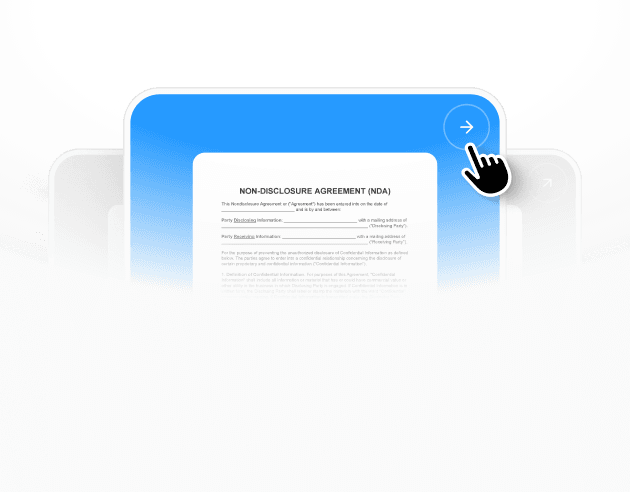
Select a template
Each template already follows legal structure and best practices.
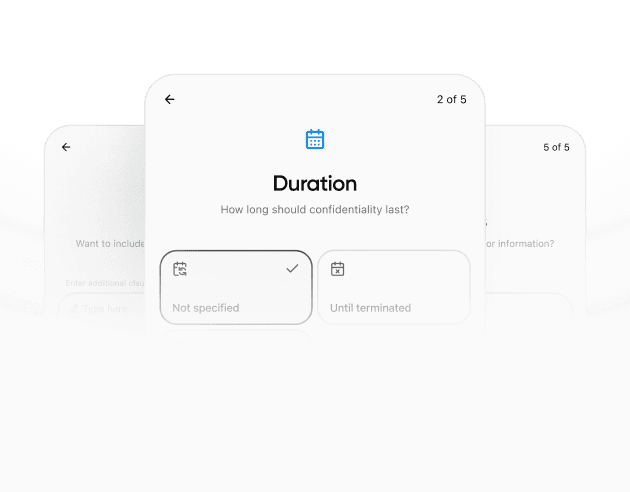
Provide details
The agreement is automatically filled and adapted to your inputs.
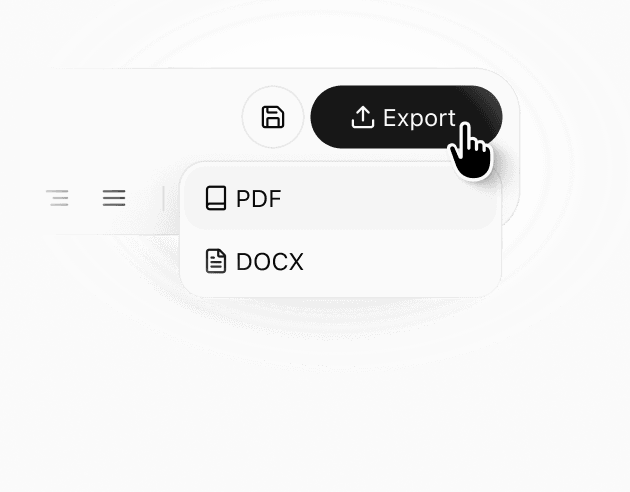
Review & download
Check the generated document, make edits if needed, and download a ready-to-use agreement.
Details
Learn more about
Temporary Guardianship Agreement Template – Florida
Florida Temporary Guardianship Agreement Template FAQ
What is the difference between temporary guardianship and a babysitting arrangement?
Temporary guardianship is a formal delegation of decision-making authority, often used when a parent will be unavailable and the child needs someone who can sign school documents, authorize medical care, and manage daily needs. Babysitting is usually informal and limited to supervision, without authority to consent to treatment or access school records. The guardianship agreement creates a written record that third parties can rely on, which is important when a school, clinic, or program requires proof of authorization. It is also useful for emergencies because it clarifies who can act and how parents should be contacted.
Why include a care plan snapshot table in the agreement?
A care plan table can condense the most important practical information into a single block that a guardian can reference quickly. It helps ensure the guardian understands routines, medical needs, school contacts, and activity restrictions. The table can also define when parents must be notified, which can prevent confusion about what requires immediate contact versus routine updates. This structure is especially helpful for children with allergies, medications, or special education plans. Keeping the information in a table makes the document easier to use in real life without adding long narrative sections.
Can the agreement be limited to specific decisions only?
Yes. Parents can grant broad authority or restrict authority to particular categories such as medical consent, school matters, or transportation permissions. Restricting authority can be useful when parents want the guardian to handle routine care but not approve travel or major decisions. The key is to write restrictions clearly so third parties can understand them without guessing. This template uses a structured authority approach, allowing families to set guardian authority by topic and to specify parent notification rules. Clear scope helps avoid conflicts and ensures the guardian acts within granted authority.
How should parents handle communication expectations during the guardianship period?
Parents should define how often updates are expected and which method to use — phone, text, email, or another channel. For emergencies, it helps to specify immediate notification and list alternate contacts if parents are unreachable. For routine issues, a weekly or as-needed schedule may be sufficient. Clear expectations protect the guardian from uncertainty about when to call and help parents stay informed. Including communication expectations in the agreement can also help schools and providers understand who should be contacted for different kinds of decisions.
What should the temporary guardian carry when acting on the child’s behalf?
The guardian should carry a copy of the signed agreement and a form of identification. If medical care is likely, having insurance information, medication lists, and allergy details can reduce delays. For school interactions, the guardian may need the child’s school information and any pick-up authorization documentation. Families often keep a digital copy in addition to a paper copy for convenience. The agreement itself should be legible and complete, with names matching school and medical records to reduce questions from third parties.
How long should a temporary guardianship arrangement last?
It should last only as long as needed for the specific absence or circumstance. A defined end date reduces confusion and helps emphasize the temporary nature of the arrangement. If the situation changes, parents can extend the arrangement by written amendment or create a new agreement for a new period. Some families prefer shorter terms with renewal options so they can reevaluate as schedules change. The best practice is to avoid open-ended timeframes unless there is a clear plan for review and termination. A clear term makes the document easier for institutions to accept.
Similar templates