Date: [Date]
To Whom It May Concern,
I, [Parent/Guardian Full Name], am the ☐ mother ☐ father ☐ legal guardian of [Child Full Legal Name], born on [Child Date of Birth].
My address is: [Parent Address].
My phone/email: [Phone] / [Email].
I authorize [Temporary Guardian Full Name], born on [DOB optional], residing at [Address], phone/email: [Contact], to act as the temporary caregiver for my child.
3. Term of Authorization
This authorization begins on [Start Date] and ends on [End Date], unless revoked earlier in writing.
4. Authority Granted
During the authorized period, I give the Temporary Guardian permission to:
-
Provide day-to-day care and supervision
-
Communicate with the child’s school and sign routine school forms
-
Consent to routine medical care and emergency medical treatment if I cannot be reached
-
Travel with the child (if applicable): [Destinations/dates]
Provide day-to-day care and supervision
Communicate with the child’s school and sign routine school forms
Consent to routine medical care and emergency medical treatment if I cannot be reached
Travel with the child (if applicable): [Destinations/dates]
-
Child’s doctor/clinic: [Name/phone]
-
Insurance: [Provider/policy]
-
Allergies/medications: [List]
-
Emergency contact: [Name/phone]
Child’s doctor/clinic: [Name/phone]
Insurance: [Provider/policy]
Allergies/medications: [List]
Emergency contact: [Name/phone]
6. Additional Notes (Optional)
[Any limitations, special instructions, or custody notes.]
Sincerely,
[Parent/Guardian Full Name]
Signatures
Parent/Guardian: [Full Name]
Date: [Date]
Signature: ___________________________
Temporary Guardian (Acknowledgment, Optional): [Full Name]
Date: [Date]
Signature: ___________________________
Witnesses (If Required)
Witness #1 Name: [Name]
Date: [Date]
Signature: ___________________________
Witness #2 Name: [Name]
Date: [Date]
Signature: ___________________________
Notary / Notarization (Optional)
State of [State]
County of [County]
On [Date], before me, [Notary Name], personally appeared [Parent/Guardian Name], known to me (or satisfactorily proven) to be the person whose name is subscribed to this document, and acknowledged that they executed it for the purposes stated.
Notary Public Signature: _______________________
My Commission Expires: _______________________
Notary Seal (if applicable): ___________________


 Scholarship Application Form
 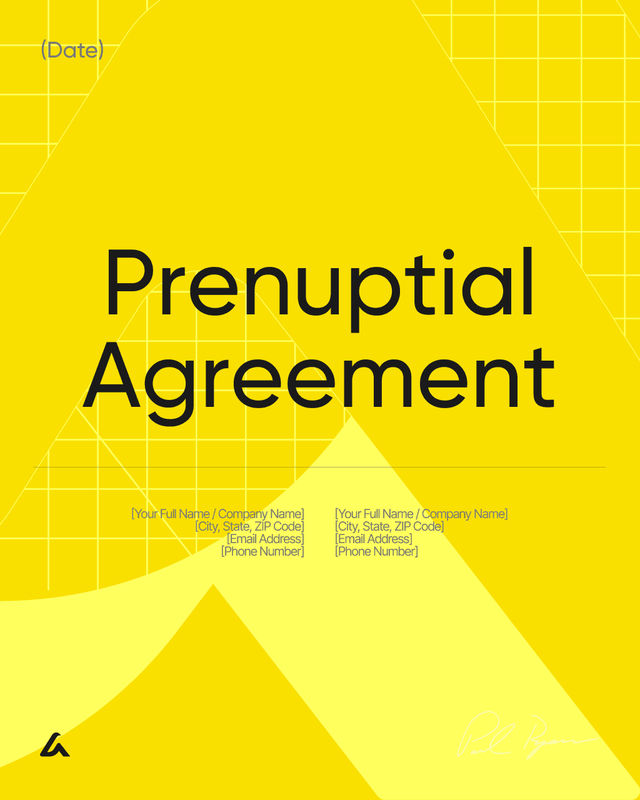 Prenuptial Agreement (Marriage Contract)
  Separation Agreement
  Separation / Divorce-Adjacent Agreements Hub Template
 Child Travel Consent Form (Washington)
  Separation / Divorce-Adjacent Agreements Hub Template


 Power of Attorney Delegating Parental Powers (Washington)
 Authorization Agreement for Nonparent Adult Caregiver (Texas)
  Waiver of Service Template
  Designation of Person in Parental Relation (New York)
  Adoption Consent Form Template
  Appointment of Short-Term Guardian (Illinois)
  Adult Adoption Petition Template
  Temporary Guardianship Agreement (Florida)
  Adult Conservatorship Petition Template
  Temporary Guardianship Agreement (California)
  Temporary Guardianship Agreement