AI Assisted
Export: PDF & DOCX
Get your custom agreement in minutes
4.8 Rating
Downloaded 3279 times
Get your complete
agreement in minutes
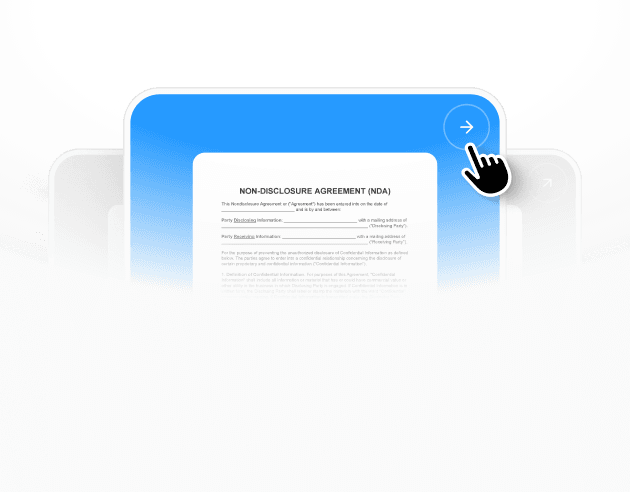
Select a template
Each template already follows legal structure and best practices.
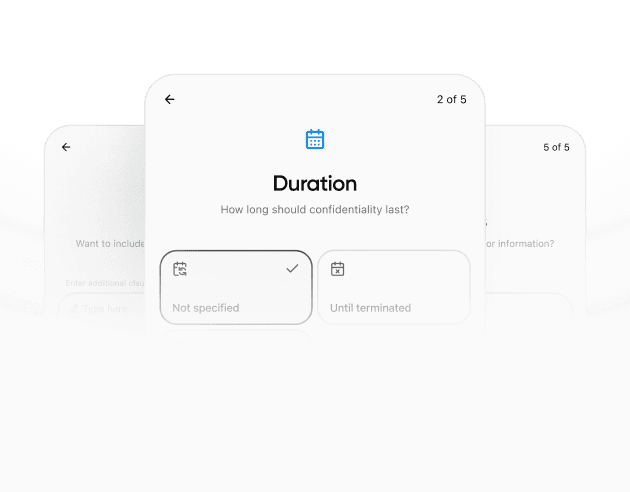
Provide details
The agreement is automatically filled and adapted to your inputs.
Review & download
Check the generated document, make edits if needed, and download a ready-to-use agreement.
Details
Learn more about
Trademark Assignment Agreement Template – New York
New York Trademark Assignment Agreement Template FAQ
When should a trademark assignment be used in a business transaction?
A trademark assignment is commonly used when a brand is sold, when assets are transferred between related companies, or when a reorganization changes who should own the mark. It can also be used in a larger deal where the trademark is one of several assets being moved at closing. The assignment helps establish a clear chain of title so the new owner can use and enforce the mark with fewer questions. If the mark is central to the business, parties often coordinate the assignment timing with other deliverables like domain transfers and marketing handoffs. Clear timing language reduces post-closing confusion.
What should the representations and warranties focus on?
Representations typically focus on ownership and authority: that the assignor owns the mark, has authority to transfer it, and is not aware of conflicting claims that would prevent a clean transfer. Warranties can also address whether the mark is subject to liens or security interests, depending on what the parties want covered. The goal is to allocate risk in a way that matches the deal context, not to make the agreement longer than necessary. If there is uncertainty, the agreement can include a limited representation set plus a disclosure schedule placeholder so issues can be identified without rewriting the core clauses.
Why include a closing deliverables checklist?
A closing deliverables checklist helps ensure the transaction does not end with a signed agreement but missing practical items needed for implementation. It can list what the parties will deliver, such as the signed assignment, any short-form documents, and details needed to file or record the transfer. A checklist also helps if the parties have multiple marks or multiple jurisdictions, because each deliverable can be tied to a reference ID. In practice, checklists reduce the 'we thought the other side was doing it' problem. They also make it easier to confirm completion internally after the deal closes.
How does recordation differ from signing the agreement?
Signing the agreement transfers rights between the parties under the contract terms, while recordation is the administrative step of filing the assignment with a trademark office or other registry so third parties can see the updated ownership. Not every situation requires the same filing, but recordation is often used to keep public records aligned with the actual transfer. The agreement can assign responsibility for filing and require cooperation for signatures or evidence requests. Treat recordation as a separate step with its own tracking fields so the administrative work is not overlooked after signatures are collected.
Can one agreement cover multiple jurisdictions like the USPTO and foreign offices?
Yes, one agreement can describe the assigned marks and identify multiple jurisdictions in a schedule, as long as the marks and identifiers are clear. The recordation section can also state that the assignee may file the assignment in each relevant office and that the assignor will assist with reasonable requests. If an office requires a different format, parties sometimes use a short-form assignment attached as an exhibit. The key is that the core agreement identifies the rights being transferred and the parties’ intent, while the filing mechanics can be handled in the modules and exhibits.
What happens if the assignor later discovers an encumbrance or claim?
How that is handled depends on what the agreement says about encumbrances and remedies. Some agreements include a representation that the mark is free of liens and adverse claims, while others treat it as a disclosed risk and handle it through a schedule or negotiated adjustment. If an issue appears after signing, the parties typically rely on the contract’s warranty, notice, and cure mechanics, if included. Even in a simple template, it can be helpful to include a disclosure placeholder and a cooperation clause so the parties have a clear process for resolving documentation issues that affect filings.
Should the agreement address related brand assets like domain names?
It can be useful to address related brand assets if the parties intend a complete brand handoff. Domain names, social media handles, and brand style assets are not always automatically included in a trademark assignment, so listing them can reduce confusion. If the parties do not want to include them, the agreement can state that only the trademarks and identified goodwill are transferred. The key is alignment: the contract should match what the buyer thinks they are getting. If the brand will be operated immediately after closing, including a short transfer list can reduce operational delays.
Similar templates