AI Assisted
Export: PDF & DOCX
Get your custom agreement in minutes
4.8 Rating
Downloaded 4493 times
Get your complete
agreement in minutes
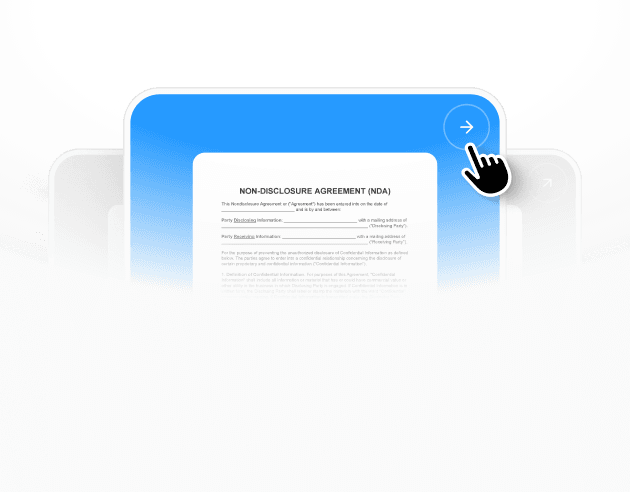
Select a template
Each template already follows legal structure and best practices.
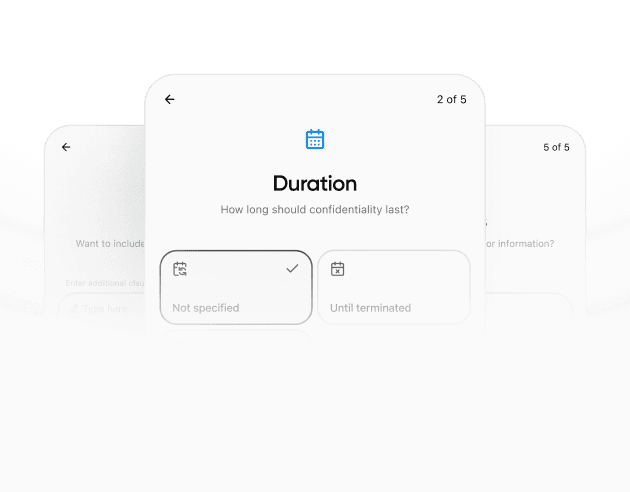
Provide details
The agreement is automatically filled and adapted to your inputs.
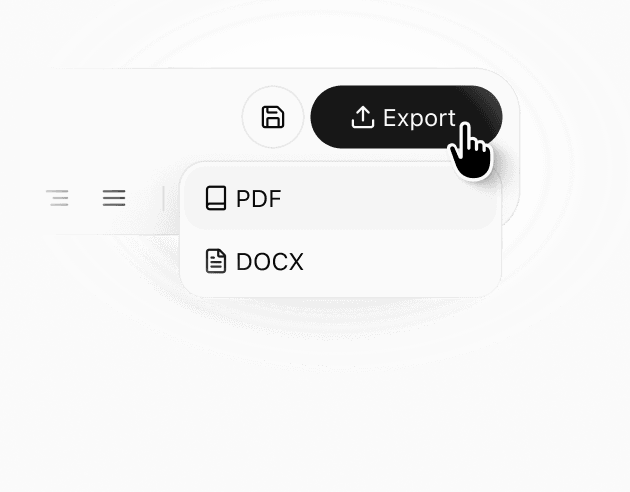
Review & download
Check the generated document, make edits if needed, and download a ready-to-use agreement.
Details
Learn more about
Trademark Assignment Agreement Template – Illinois
Illinois Trademark Assignment Agreement Template FAQ
What does it mean for a trademark to be free of liens or encumbrances?
A lien or encumbrance is a claim or security interest that could limit the assignor’s ability to transfer the trademark cleanly. In a template, the assignor often represents that the mark is not subject to adverse claims, or the parties can list known issues in a disclosure schedule. The practical point is to make sure the assignee is not surprised by a third party asserting rights against the mark after the transfer. If the trademark is part of a financed business, the parties may need to confirm whether any lender filings touch intellectual property. Clear representation language helps allocate that risk in the agreement.
How can an agreement handle uncertainty about ownership history?
If the chain of title is not perfectly documented, the agreement can include a module that captures the known history and lists missing documents or corrective filings as closing deliverables. This keeps the core assignment clean while giving the parties a plan to resolve gaps. A chain-of-title table can also help a reviewer see which prior transfers are relevant and what evidence exists for each step. The goal is to avoid pretending the history is perfect while still completing the transfer and identifying follow-up work. Clear follow-up obligations reduce later confusion during enforcement or due diligence.
Why include a third-party consent or contract schedule?
Some trademarks are referenced in licenses, distribution agreements, or brand collaboration contracts. A third-party schedule helps identify those agreements and decide whether any notice or consent steps are needed as part of closing. Even if no action is required, listing the agreements helps the assignee manage operational risk after the transfer, because partners may still contact or pay the old owner. A schedule also supports smoother integration for businesses that rely on multiple partner channels. The template does not assume consent is required; it simply creates a structured place to identify relevant agreements and responsibilities.
What if the trademark is involved in a dispute or enforcement matter?
If there is an ongoing dispute, opposition, or enforcement action, the agreement should identify it and clarify whether the assignee will take over management of that matter after closing. A short placeholder for dispute identification and file location can help prevent the issue from being overlooked. The parties can also specify whether the assignor will cooperate in transferring files and authorizations. The goal is continuity: the new owner should have access to the information needed to manage or resolve the matter. Even if the dispute is minor, recording it in the agreement can prevent later surprises.
Can the agreement assign both the trademark and related copyrights or designs?
A trademark assignment can be paired with a separate module that lists related assets the parties want to transfer, such as logo files, packaging designs, or brand guidelines. Those assets may be governed by different legal categories, so keeping them in an exhibit with clear descriptions can help the parties track what is included. If the parties want the agreement to stay focused on the trademark only, the exhibit can state that the listed assets are included to the extent owned by the assignor. Clear listing reduces operational confusion about which creative files are part of the deal and which are not.
How long should representations and obligations survive after signing?
Survival is a contractual choice. Some assignments keep survival open-ended for basic ownership representations, while others set a defined survival period to limit ongoing exposure. A template can include a survival placeholder so the parties can align the risk allocation with the transaction value and context. If there is a separate asset purchase agreement, the survival period is often coordinated across documents. The main benefit of a survival term is predictability: it clarifies how long the assignee can rely on certain statements and how long the assignor remains on the hook for breaches. Clear timing reduces later disputes.
What should be stored to prove ownership after the transfer?
Proof of ownership is easiest when the assignee keeps a fully executed assignment, a copy of the schedule of marks, and any filing confirmations from recordation in a single deal folder. If additional short-form documents were used, storing them with the main agreement helps maintain a clear chain of title. It can also help to keep evidence of the brand handoff, such as domain transfer confirmations, if those were part of the deal. The goal is to have a clean packet that can be shared for due diligence or enforcement without rebuilding the history from emails and scattered files. Organized records are the best defense against ownership challenges.
Similar templates