AI Assisted
Export: PDF & DOCX
Get your custom agreement in minutes
4.8 Rating
Downloaded 2688 times
Get your complete
agreement in minutes
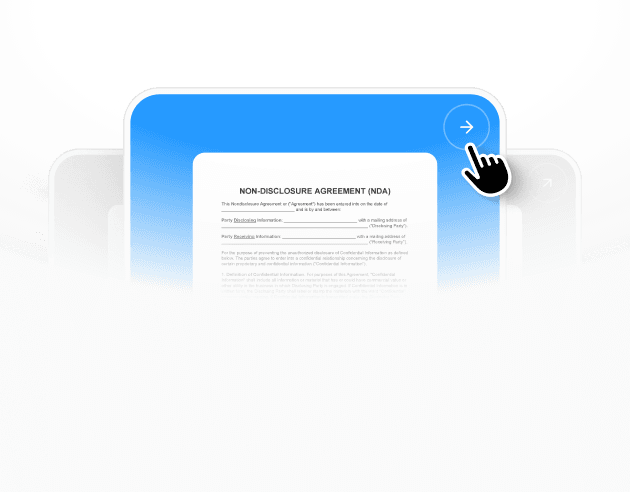
Select a template
Each template already follows legal structure and best practices.
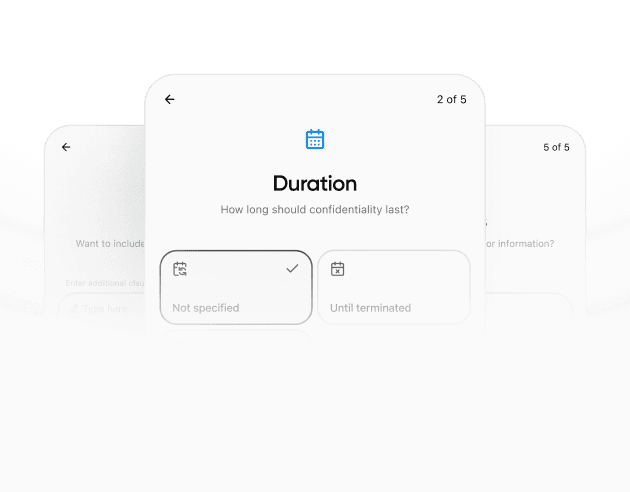
Provide details
The agreement is automatically filled and adapted to your inputs.
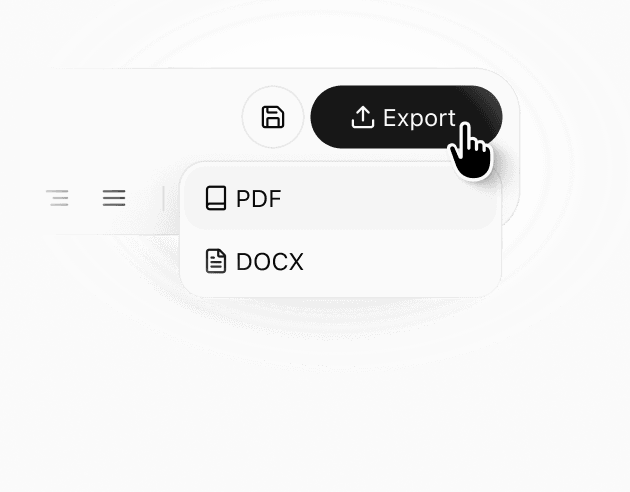
Review & download
Check the generated document, make edits if needed, and download a ready-to-use agreement.
Details
Learn more about
Trademark Assignment Agreement Template – Florida
Florida Trademark Assignment Agreement Template FAQ
Who should be responsible for recording the trademark assignment?
Responsibility is a business decision the parties can set in the agreement. Many assignments place filing responsibility on the assignee, since the assignee benefits from having public records updated and typically controls the post-closing process. The assignor can still be required to cooperate by providing signatures or confirmations if a registry asks for additional documentation. The key is to name the responsible party and define what cooperation looks like so recordation does not stall. Including a tracker table for filing references can help ensure the administrative work is completed after execution. Clear allocation prevents tasks from being overlooked.
What information makes recordation smoother across offices?
Recordation tends to be smoother when the agreement clearly lists the mark, the registration or application number, and the jurisdiction in a consistent format. A filing tracker can also capture the office, the filing date, and a confirmation or receipt number once submitted. If multiple jurisdictions are involved, a single schedule with consistent identifiers helps reduce errors caused by retyping names or numbers. It can also help to include a short-form assignment exhibit placeholder if an office requires a specific form. The goal is to make it easy for the filer to match the agreement to the filing requirements without guessing.
Is it a problem if the trademark is used under slightly different brand formatting?
Brand formatting differences can create confusion if they suggest multiple marks or inconsistent ownership. In an assignment, the safest approach is to identify the mark exactly as registered or applied for and to list any variations that are also being transferred if they are separate marks. If the parties are transferring related logos or design marks, listing them in a schedule helps avoid later disputes about what was included. The agreement can also clarify whether common law rights associated with use are being transferred. The key is accuracy: match the wording to how the mark appears in official records and in actual use.
Can a trademark assignment be used for an internal transfer within a corporate group?
Yes. Internal transfers are common when companies reorganize ownership or centralize intellectual property in a holding entity. In those scenarios, the agreement often uses simple consideration language and focuses on clear identification of the marks and the parties. Even when the transfer is internal, documenting it helps keep ownership records consistent for future licensing, investment, or due diligence. The recordation responsibilities can still be assigned to one entity so that public registries reflect the new owner. A clean template is useful because internal transactions are frequently repeated across multiple brands or subsidiaries.
What should be done with existing licensees or distributors?
If there are existing licensees, distributors, or partners using the mark, the parties should consider whether consent, notice, or contract updates are needed as part of the transfer. A template can include a third-party agreement schedule placeholder so those relationships are identified and addressed during closing. Even if no changes are required immediately, knowing which agreements touch the mark helps prevent operational surprises after the assignment. The core assignment transfers ownership, but operational contracts may still reference the old owner. Aligning those agreements with the new ownership often reduces confusion with partners and marketplaces that rely on contract documentation.
Should the agreement address how notices will be sent after signing?
Including a notices section can be helpful when the parties expect post-signing cooperation, such as recordation help or delivery of closing items. A notices block provides reliable contact details and a method for delivering requests, so small administrative steps do not get delayed. This is especially useful if the deal team changes after closing or if the parties use separate legal and operational contacts. Notice language does not need to be long; it just needs to identify where communications should go. Clear notices reduce misunderstandings about whether a request was received and when a response is due.
How do I confirm the transfer of related accounts like domains or social handles?
If the parties intend to transfer domains or social handles, the agreement can list them in an exhibit and treat account handoff as a closing deliverable. Confirmation can be documented by noting the registrar account email, the transfer code method, or the date the assignee took control, all captured as placeholders. The goal is to create a clear record of what was transferred and when, similar to how the trademark is listed by registration number. Separating these details into a module prevents the core assignment clause from becoming cluttered while still making the business handoff trackable.
Similar templates