Security Addendum Template: Property Access and Safety Terms

Security Addendum Template: Property Access and Safety Terms

Security Addendum Template: Property Access and Safety Terms

Security Addendum Template: Property Access and Safety Terms

Typical length: 4-6 pages

Length: 4-6 pages

AI Assisted

Export: PDF & DOCX

Multi-jurisdiction ready

Multi-jurisdiction

Get your custom agreement in minutes

4.8 Rating

Downloaded 2679 times

Google For Startups

Google For Startups

NVIDIA Inception Program

NVIDIA Inception Program

Security Addendum Template


This Security Addendum (“Addendum”) is attached to and made part of the lease agreement dated [Lease Date] (the “Lease”) between [Landlord Full Name] (“Landlord”) and [Tenant Full Name] (“Tenant”) regarding the following property:

Property Address: [Property Address]
Unit Number, if applicable: [Unit Number]
City, State, ZIP Code: [City, State, ZIP Code]

If there is any conflict between this Addendum and the Lease, the following will control:

[State whether this Addendum controls on security matters or whether the Lease controls unless specifically changed here]


1. Purpose of Addendum

The purpose of this Addendum is to establish additional rules and responsibilities relating to property access, security procedures, and safety-related conduct during the tenancy.

These terms are intended to promote reasonable security practices for the premises and any related common areas, entry points, parking areas, gates, or shared facilities, if applicable.


2. Keys, Access Devices, and Entry Credentials

The following keys, cards, fobs, remotes, codes, or access devices are issued or made available to Tenant:

[Describe keys, gate remotes, entry fobs, alarm codes, garage openers, or other access items]

Tenant agrees to:

  • keep all access devices reasonably secure;

  • not duplicate keys or devices except with Landlord’s written permission, unless otherwise allowed by law;

  • not share access codes or security credentials with unauthorized persons;

  • promptly report any lost, stolen, damaged, or compromised device or code; and

  • return all issued items at the end of the tenancy.

Replacement cost or fee for lost or unreturned items:

[Insert amount or write “As allowed by law and the Lease”]


3. Locks and Changes to Security Devices

Tenant may not change, rekey, disable, remove, or replace locks, access systems, alarm devices, cameras, or other security equipment without Landlord’s prior written consent, except as otherwise required or allowed by applicable law.

If approval is granted, the following conditions apply:

[Describe approval process, who pays, whether duplicate keys or codes must be provided, and restoration requirements]


4. Alarm Systems and Monitoring

The property includes the following alarm, entry, or monitoring systems, if any:

[Describe alarm system, monitored service, smart lock, intercom, gate access, or other system]

Responsibility for activation, use, and charges is as follows:

[Describe whether Landlord or Tenant is responsible for setup, subscription, monitoring fees, false alarm charges, or maintenance]

Tenant agrees to use the system according to any provided instructions and not to intentionally disable or misuse it.


5. Cameras and Surveillance Devices

The following cameras or surveillance devices are present, if applicable:

[Describe location and type of device, or write “None”]

Tenant may not install interior or exterior cameras, doorbell cameras, recording systems, or similar equipment that affects shared areas, building systems, or the privacy rights of others without prior written permission, except as otherwise allowed by law.

Any approved installation must comply with:

  • applicable law;

  • building rules;

  • privacy requirements;

  • wiring and mounting restrictions; and

  • removal and restoration obligations at move-out.


6. Guest and Visitor Access

Tenant is responsible for the conduct of all guests, visitors, service providers, and other persons allowed onto the property by Tenant.

Tenant agrees not to:

  • provide building or gate access to unauthorized persons;

  • leave secured entrances open or unlocked unnecessarily;

  • allow repeated unauthorized use of keys, codes, or devices; or

  • use the property in a way that creates an unreasonable safety risk to neighbors, staff, or the premises.

Any additional guest access rules are as follows:

[Describe visitor registration, parking gate use, front-desk rules, quiet entry procedures, or other conditions]


7. Common Area and Building Security Rules

If the property includes common areas or shared facilities, Tenant agrees to follow all posted or written security procedures relating to:

  • entry gates;

  • lobby access;

  • package rooms;

  • elevators;

  • parking areas;

  • storage areas; and

  • amenity spaces.

Tenant shall not tamper with security lights, gates, doors, intercom systems, fire exits, or other safety-related building features.


8. Reporting Security Issues

Tenant must promptly notify Landlord or property management of any of the following:

  • lost or stolen keys, devices, or codes;

  • broken locks, damaged doors, or malfunctioning access systems;

  • alarm or gate failures;

  • suspicious activity affecting the property; or

  • security incidents that may affect the premises or other occupants.

Security concerns should be reported to:

Name: [Landlord / Property Manager Name]
Phone Number: [Phone Number]
Email Address: [Email Address]

Emergency situations should be reported to emergency services first where appropriate.


9. Landlord Responsibilities

Landlord will be responsible for the following security-related items, unless the Lease or this Addendum states otherwise:

[Describe maintenance of common-entry systems, exterior lighting, building locks, shared cameras, or other security features]

Landlord does not guarantee that the property or any security feature will prevent all crime, loss, injury, or unauthorized access.


10. Tenant Responsibilities

Tenant is responsible for using reasonable care to protect the premises and personal property, including:

  • locking doors and windows when appropriate;

  • keeping access credentials secure;

  • using alarm or access systems properly, if applicable;

  • not creating unsafe access conditions; and

  • following security instructions reasonably provided under the Lease or this Addendum.

Tenant remains responsible for losses, charges, or damage caused by Tenant’s misuse or negligent handling of access devices or security systems, to the extent allowed by law.


11. Violations of Security Rules

A material violation of this Addendum may be treated as a lease violation to the extent allowed by the Lease and applicable law.

Examples may include:

  • unauthorized duplication or sharing of access devices;

  • disabling approved security equipment without permission;

  • repeated failure to secure the premises; or

  • allowing unauthorized persons to bypass building security procedures.

Any notice, cure period, fee, or other remedy shall be governed by the Lease and applicable law unless otherwise stated here:

[Describe any special procedure or write “None”]


12. No Guarantee of Safety

Tenant understands that reasonable security measures may reduce risk but do not guarantee personal safety or protection from theft, crime, or other harm.

Except as required by law, Landlord does not make any warranty that the premises or any security system is fail-safe, continuously operational, or sufficient for Tenant’s particular needs.


13. Additional Property-Specific Terms

Any additional security-related terms for this property are as follows:

[Insert building-specific rules, vendor procedures, package handling rules, safe-room access, after-hours entry rules, or other provisions]


14. Signatures

By signing below, the parties agree to this Security Addendum.

Landlord:

Signature: __________________________
Name: [Full Name]
Date: [Date]

Tenant:

Signature: __________________________
Name: [Full Name]
Date: [Date]

Additional Tenant, if applicable:
Signature: __________________________
Name: [Full Name]
Date: [Date]

Security Addendum Template


This Security Addendum (“Addendum”) is attached to and made part of the lease agreement dated [Lease Date] (the “Lease”) between [Landlord Full Name] (“Landlord”) and [Tenant Full Name] (“Tenant”) regarding the following property:

Property Address: [Property Address]
Unit Number, if applicable: [Unit Number]
City, State, ZIP Code: [City, State, ZIP Code]

If there is any conflict between this Addendum and the Lease, the following will control:

[State whether this Addendum controls on security matters or whether the Lease controls unless specifically changed here]


1. Purpose of Addendum

The purpose of this Addendum is to establish additional rules and responsibilities relating to property access, security procedures, and safety-related conduct during the tenancy.

These terms are intended to promote reasonable security practices for the premises and any related common areas, entry points, parking areas, gates, or shared facilities, if applicable.


2. Keys, Access Devices, and Entry Credentials

The following keys, cards, fobs, remotes, codes, or access devices are issued or made available to Tenant:

[Describe keys, gate remotes, entry fobs, alarm codes, garage openers, or other access items]

Tenant agrees to:

  • keep all access devices reasonably secure;

  • not duplicate keys or devices except with Landlord’s written permission, unless otherwise allowed by law;

  • not share access codes or security credentials with unauthorized persons;

  • promptly report any lost, stolen, damaged, or compromised device or code; and

  • return all issued items at the end of the tenancy.

Replacement cost or fee for lost or unreturned items:

[Insert amount or write “As allowed by law and the Lease”]


3. Locks and Changes to Security Devices

Tenant may not change, rekey, disable, remove, or replace locks, access systems, alarm devices, cameras, or other security equipment without Landlord’s prior written consent, except as otherwise required or allowed by applicable law.

If approval is granted, the following conditions apply:

[Describe approval process, who pays, whether duplicate keys or codes must be provided, and restoration requirements]


4. Alarm Systems and Monitoring

The property includes the following alarm, entry, or monitoring systems, if any:

[Describe alarm system, monitored service, smart lock, intercom, gate access, or other system]

Responsibility for activation, use, and charges is as follows:

[Describe whether Landlord or Tenant is responsible for setup, subscription, monitoring fees, false alarm charges, or maintenance]

Tenant agrees to use the system according to any provided instructions and not to intentionally disable or misuse it.


5. Cameras and Surveillance Devices

The following cameras or surveillance devices are present, if applicable:

[Describe location and type of device, or write “None”]

Tenant may not install interior or exterior cameras, doorbell cameras, recording systems, or similar equipment that affects shared areas, building systems, or the privacy rights of others without prior written permission, except as otherwise allowed by law.

Any approved installation must comply with:

  • applicable law;

  • building rules;

  • privacy requirements;

  • wiring and mounting restrictions; and

  • removal and restoration obligations at move-out.


6. Guest and Visitor Access

Tenant is responsible for the conduct of all guests, visitors, service providers, and other persons allowed onto the property by Tenant.

Tenant agrees not to:

  • provide building or gate access to unauthorized persons;

  • leave secured entrances open or unlocked unnecessarily;

  • allow repeated unauthorized use of keys, codes, or devices; or

  • use the property in a way that creates an unreasonable safety risk to neighbors, staff, or the premises.

Any additional guest access rules are as follows:

[Describe visitor registration, parking gate use, front-desk rules, quiet entry procedures, or other conditions]


7. Common Area and Building Security Rules

If the property includes common areas or shared facilities, Tenant agrees to follow all posted or written security procedures relating to:

  • entry gates;

  • lobby access;

  • package rooms;

  • elevators;

  • parking areas;

  • storage areas; and

  • amenity spaces.

Tenant shall not tamper with security lights, gates, doors, intercom systems, fire exits, or other safety-related building features.


8. Reporting Security Issues

Tenant must promptly notify Landlord or property management of any of the following:

  • lost or stolen keys, devices, or codes;

  • broken locks, damaged doors, or malfunctioning access systems;

  • alarm or gate failures;

  • suspicious activity affecting the property; or

  • security incidents that may affect the premises or other occupants.

Security concerns should be reported to:

Name: [Landlord / Property Manager Name]
Phone Number: [Phone Number]
Email Address: [Email Address]

Emergency situations should be reported to emergency services first where appropriate.


9. Landlord Responsibilities

Landlord will be responsible for the following security-related items, unless the Lease or this Addendum states otherwise:

[Describe maintenance of common-entry systems, exterior lighting, building locks, shared cameras, or other security features]

Landlord does not guarantee that the property or any security feature will prevent all crime, loss, injury, or unauthorized access.


10. Tenant Responsibilities

Tenant is responsible for using reasonable care to protect the premises and personal property, including:

  • locking doors and windows when appropriate;

  • keeping access credentials secure;

  • using alarm or access systems properly, if applicable;

  • not creating unsafe access conditions; and

  • following security instructions reasonably provided under the Lease or this Addendum.

Tenant remains responsible for losses, charges, or damage caused by Tenant’s misuse or negligent handling of access devices or security systems, to the extent allowed by law.


11. Violations of Security Rules

A material violation of this Addendum may be treated as a lease violation to the extent allowed by the Lease and applicable law.

Examples may include:

  • unauthorized duplication or sharing of access devices;

  • disabling approved security equipment without permission;

  • repeated failure to secure the premises; or

  • allowing unauthorized persons to bypass building security procedures.

Any notice, cure period, fee, or other remedy shall be governed by the Lease and applicable law unless otherwise stated here:

[Describe any special procedure or write “None”]


12. No Guarantee of Safety

Tenant understands that reasonable security measures may reduce risk but do not guarantee personal safety or protection from theft, crime, or other harm.

Except as required by law, Landlord does not make any warranty that the premises or any security system is fail-safe, continuously operational, or sufficient for Tenant’s particular needs.


13. Additional Property-Specific Terms

Any additional security-related terms for this property are as follows:

[Insert building-specific rules, vendor procedures, package handling rules, safe-room access, after-hours entry rules, or other provisions]


14. Signatures

By signing below, the parties agree to this Security Addendum.

Landlord:

Signature: __________________________
Name: [Full Name]
Date: [Date]

Tenant:

Signature: __________________________
Name: [Full Name]
Date: [Date]

Additional Tenant, if applicable:

Signature: __________________________
Name: [Full Name]
Date: [Date]

Get your complete
agreement in minutes

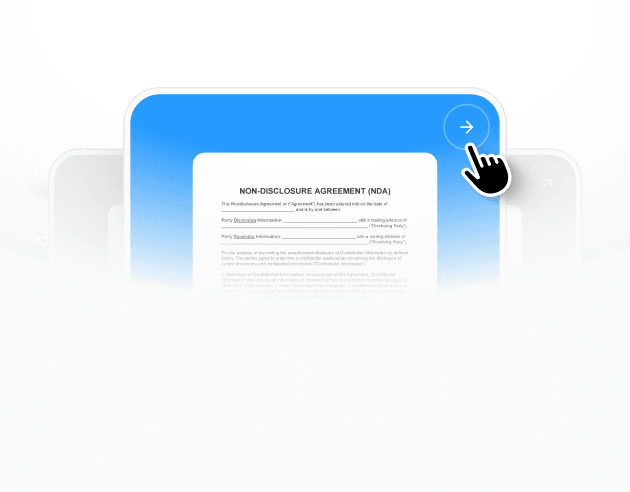
Select template illustration
Select a template

Each template already follows legal structure and best practices.

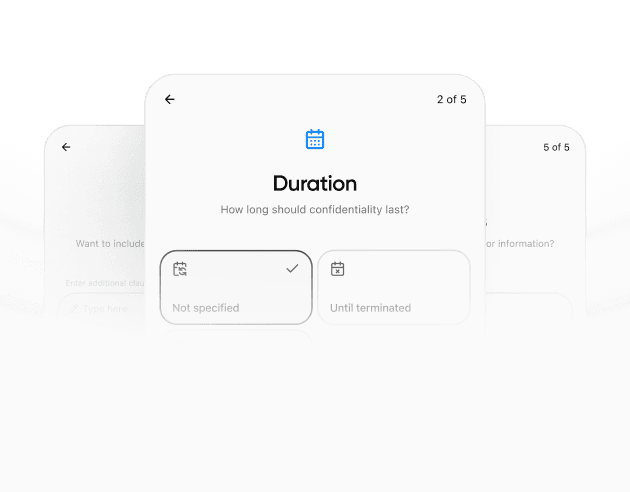
Provide details illustration
Provide details

The agreement is automatically filled and adapted to your inputs.

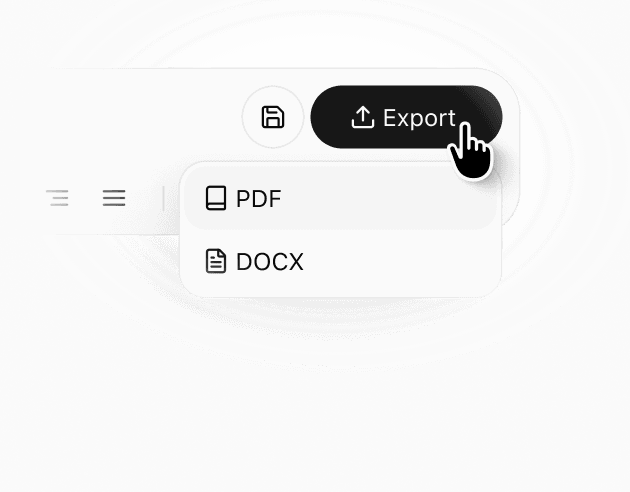
Review & download illustration
Review & download

Check the generated document, make edits if needed, and download a ready-to-use agreement.

Details

Learn more about

Security Addendum Template: Property Access and Safety Terms

Click below for detailed info on the template.
For quick answers, scroll below to see the FAQ.

Click below for detailed info on the template.
For quick answers, scroll below to see the FAQ.

SECURITY ADDENDUM TEMPLATE FAQ


What is a security addendum?

A security addendum is a written document added to a lease to clarify safety, access, and property security rules that apply to the rental premises. It commonly covers keys, entry devices, alarm systems, gate codes, security procedures, guest access, and related responsibilities of the landlord and tenant. The addendum helps create a clearer written record of how security-related issues will be handled during the tenancy.


Why do you need a security addendum?

You need a security addendum when the parties want to spell out specific rules for protecting the property, controlling access, and addressing building safety concerns beyond the basic lease terms. It helps reduce misunderstandings about who may receive keys or codes, what security devices may be installed, how incidents should be reported, and what conduct could create safety risks. It is especially useful for gated properties, multi-unit buildings, furnished rentals, and properties with shared access systems.


When should you use a security addendum?

Use a security addendum before move-in or whenever the landlord and tenant want to add more detailed security rules to an existing lease. It is commonly used when a property has alarm systems, cameras, controlled entry, parking gates, common-area access controls, or special security procedures. It can also be used when there have been prior safety concerns and the parties want clearer written expectations going forward.


How to write a security addendum?

Start by identifying the lease, the parties, and the property covered by the addendum. Then state the rules for keys, entry cards, codes, alarm systems, guests, security devices, incident reporting, and any limits on changes to locks or access systems. The addendum should also explain who is responsible for costs, what happens if devices are lost or misused, and include signatures so there is a clear written record of the added terms.


Can AI Lawyer help if tenants, landlords, and property managers all need to review?

AI Lawyer can help by organizing the addendum into clear sections so each reviewer can quickly find access rules, key and code procedures, alarm obligations, and reporting requirements. It can also add placeholders for building-specific rules, device lists, emergency contacts, and signature blocks, making revisions easier to track. A consistent structure helps reduce repeated edits and lowers the chance of missing key safety details before the addendum is signed.

Similar templates

Other templates from

Lease Agreement

Money back guarantee

Free trial

Cancel anytime

AI Lawyer protects

your rights and wallet

🌐

Company

Learn

Terms

©2026 AI Lawtech Sp. z O.O. All rights reserved.

Money back guarantee

Free trial

Cancel anytime

AI Lawyer protects

your rights and wallet

🌐

Company

Learn

Terms

AI Lawtech Sp. z O.O.

©2026

Money back guarantee

Free trial

Cancel anytime

AI Lawyer protects

your rights and wallet

🌐

Company

Learn

Terms

©2026 AI Lawtech Sp. z O.O. All rights reserved.

Money back guarantee

Free trial

Cancel anytime

AI Lawyer protects

your rights and wallet

🌐

Company

Learn

Terms

©2026 AI Lawtech Sp. z O.O. All rights reserved.