AI Assisted
Export: PDF & DOCX
Get your custom agreement in minutes
4.8 Rating
Downloaded 2114 times
Get your complete
agreement in minutes
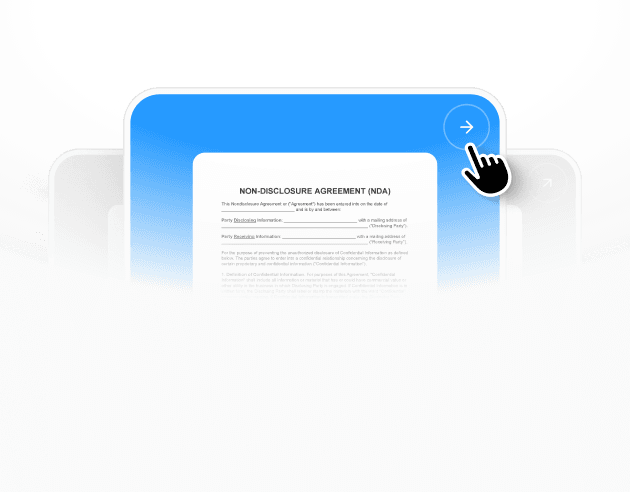
Select a template
Each template already follows legal structure and best practices.
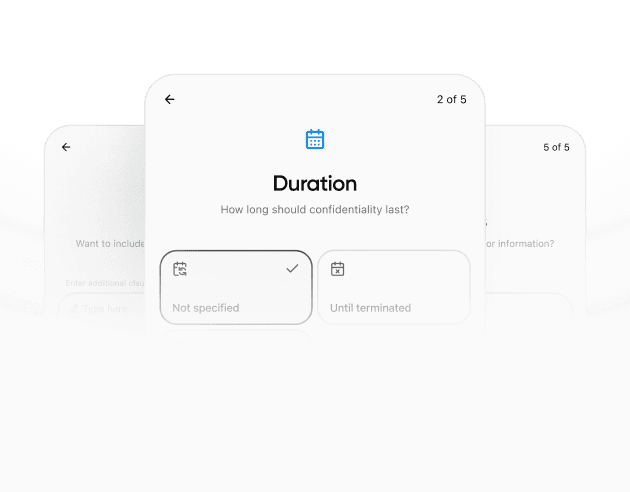
Provide details
The agreement is automatically filled and adapted to your inputs.
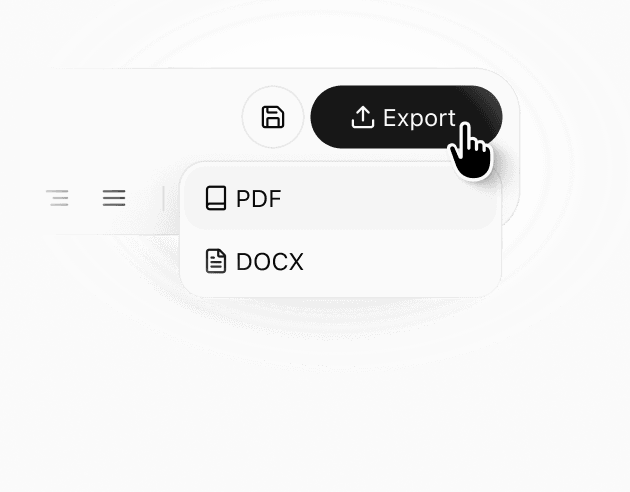
Review & download
Check the generated document, make edits if needed, and download a ready-to-use agreement.
Details
Learn more about
Notice to Vacate Template – Washington
Washington Notice to Vacate Template FAQ
Why group contact details and scheduling at the top of the notice?
Move-out coordination often breaks down because the wrong person is called or because scheduling messages get lost. Grouping contacts at the top gives everyone a single reference point for communication during the notice period, especially when a property manager or onsite coordinator is involved. It also speeds up inspection scheduling because the tenant immediately knows who to contact. AI Lawyer users often treat the top block as the “coordination header” so any staff member can step in, see the right contact channels, and keep the closeout moving without confusion.
What is the benefit of a scheduling and communication log table?
A log table creates a simple record of what was proposed, how it was communicated, and who confirmed it. This can prevent disputes about whether an inspection was offered, whether a key return appointment was agreed, or whether a utility handoff date was set. It also helps when multiple tasks must be coordinated during the notice period, because each topic is captured in the same format. By tying each entry to a record identifier, the parties can store supporting emails, screenshots, or receipts in a single folder and retrieve them quickly if questions arise.
How does the “How → Confirm → Close” turnover block help compared to a standard paragraph?
The turnover block breaks move-out into three decisions: how possession is returned, how completion is confirmed, and how post-move communication will occur. This structure keeps the notice practical and reduces ambiguity because it names the evidence the parties will rely on, such as a walkthrough, photos, or a receipt. It also prevents the notice from becoming a long instruction sheet, while still covering what matters for a clean handoff. When these three points are clearly stated, closeout tends to be faster and disagreements about process are less likely.
Should the notice specify an exact time for vacating, or only a date?
Either can work, depending on how the tenancy is managed. A date-only deadline is simpler, while a date-and-time deadline can reduce confusion if an inspection is scheduled or if keys must be returned by a specific hour. If you include a time, keep it consistent with the return method and any building access constraints. The most important thing is that the tenant can see the final cutoff immediately from one line. One clear deadline is easier to comply with and reduces arguments about when possession was actually returned.
How can the notice address utilities without adding detailed billing language?
The notice can keep utilities simple by using a handoff date and a confirmation method, such as an email or portal record, captured in the scheduling log. This avoids embedding long billing terms while still setting expectations that the transition will be documented. If the lease already addresses utilities, the notice does not need to restate those rules. It just needs a coordination point so service does not lapse and so the parties can show when the handoff occurred. A short record often prevents bigger problems later.
Is it useful to include an onsite coordinator signature line?
It can be useful when someone other than the landlord manages key handoffs, inspections, or scheduling. An onsite coordinator signature line provides an acknowledgment that operational closeout steps were tracked and recorded. It does not change the tenant’s obligations; it supports documentation and accountability within the landlord’s workflow. Keeping the line optional preserves flexibility for small landlords while still supporting larger management teams. When a coordinator signs, it also helps the tenant know who is authorized to handle move-out logistics and whom to contact if issues arise.
Similar templates