Creative Brief Template

Creative Brief Template

Creative Brief Template

Creative Brief Template

Typical length: 4-6 pages

Length: 4-6 pages

AI Assisted

Export: PDF & DOCX

Multi-jurisdiction ready

Multi-jurisdiction

Get your custom agreement in minutes

4.8 Rating

Downloaded 3531 times

Google For Startups

Google For Startups

NVIDIA Inception Program

NVIDIA Inception Program

Creative Brief Template


Project Name: [Project Name]
Client/Brand: [Company/Brand]
Prepared By: [Name/Team]
Date: [Date]
Version: [v1.0]
Primary Contact: [Name/Email/Phone]


1. Background and Context

1.1 What’s happening and why now? [Short context].
1.2 Problem to solve: [What challenge this addresses].
1.3 Opportunity: [What success unlocks].


2. Objectives

2.1 Primary objective: [Increase sign-ups, drive sales, improve awareness, etc.].
2.2 Secondary objectives (optional): [List].
2.3 Success metrics/KPIs: [CTR, conversions, CAC, downloads, leads, etc.].


3. Target Audience

3.1 Primary audience: [Who].
3.2 Secondary audience (optional): [Who].
3.3 Audience insights:

  • Needs/pain points: [__]

  • Motivations: [__]

  • Objections: [__]

  • Where they discover: [Channels]


4. Core Message and Positioning

4.1 Single most important message: [One sentence].
4.2 Supporting points (3–5):

  • [Point 1]

  • [Point 2]

  • [Point 3]

4.3 Value proposition: [Short statement].
4.4 Call to action (CTA): [Sign up / Book a demo / Buy now / Learn more].
4.5 Proof points (optional): [Stats, reviews, certifications].


5. Tone, Style, and Brand Guidelines

5.1 Tone: ☐ friendly ☐ premium ☐ bold ☐ authoritative ☐ playful ☐ minimal ☐ other: [].
5.2 Must follow brand guidelines: ☐ yes ☐ no. If yes, link/location: [
].
5.3 Words/phrases to use: [].
5.4 Words/phrases to avoid: [
].
5.5 Visual references (optional): [Links/moodboard notes].


6. Deliverables

6.1 Deliverables requested (list):

  • [Deliverable 1: format + size + quantity]

  • [Deliverable 2]

  • [Deliverable 3]

6.2 Required file formats: ☐ PNG ☐ JPG ☐ PDF ☐ MP4 ☐ HTML ☐ Figma ☐ other: [__].
6.3 Channel placements: [Meta ads, Google, website, email, print, etc.].
6.4 Accessibility requirements (optional): [Alt text, captions, contrast].


7. Mandatory Requirements

7.1 Must include: [Logo, disclaimer, URL, phone number, legal text, hashtags].
7.2 Must not include: [Restricted claims, competitor mentions, etc.].
7.3 Compliance notes (optional): [Industry restrictions].


8. Timeline and Milestones

8.1 Kickoff date: [Date].
8.2 First draft due: [Date].
8.3 Review/feedback due: [Date].
8.4 Final delivery due: [Date].
8.5 Launch date (if applicable): [Date].
8.6 Time zone: [Time zone].


9. Budget (Optional)

9.1 Budget range: $[] (or β€œTBD”).
9.2 Production costs covered: ☐ by client ☐ by agency ☐ shared (details).
9.3 Paid media budget (if applicable): $[
].


10. Stakeholders and Approval Process

10.1 Stakeholders: [Names/roles].
10.2 Final approver: [Name].
10.3 Review process: ☐ async comments ☐ meeting ☐ other: [].
10.4 Number of revision rounds included: [
].


11. Assets and Inputs Provided by Client

11.1 Brand files: [Logos, fonts, colors].
11.2 Content: [Copy, product shots, screenshots].
11.3 Links: [Landing pages, signup pages].
11.4 Accounts/access: [Ad account, CMS access].


12. Risks and Assumptions (Optional)

12.1 Assumptions: [What must be true].
12.2 Risks: [What could block delivery].
12.3 Dependencies: [Approvals, vendor assets].


Signatures

Prepared By: [Name/Title]
Date: [Date]
Signature: ___________________________

Approved By (Optional): [Name/Title]
Date: [Date]
Signature: ___________________________
Creative Brief Template


Project Name: [Project Name]
Client/Brand: [Company/Brand]
Prepared By: [Name/Team]
Date: [Date]
Version: [v1.0]
Primary Contact: [Name/Email/Phone]


1. Background and Context

1.1 What’s happening and why now? [Short context].
1.2 Problem to solve: [What challenge this addresses].
1.3 Opportunity: [What success unlocks].


2. Objectives

2.1 Primary objective: [Increase sign-ups, drive sales, improve awareness, etc.].
2.2 Secondary objectives (optional): [List].
2.3 Success metrics/KPIs: [CTR, conversions, CAC, downloads, leads, etc.].


3. Target Audience

3.1 Primary audience: [Who].
3.2 Secondary audience (optional): [Who].
3.3 Audience insights:

  • Needs/pain points: [__]

  • Motivations: [__]

  • Objections: [__]

  • Where they discover: [Channels]


4. Core Message and Positioning

4.1 Single most important message: [One sentence].
4.2 Supporting points (3–5):

  • [Point 1]

  • [Point 2]

  • [Point 3]

4.3 Value proposition: [Short statement].
4.4 Call to action (CTA): [Sign up / Book a demo / Buy now / Learn more].
4.5 Proof points (optional): [Stats, reviews, certifications].


5. Tone, Style, and Brand Guidelines

5.1 Tone: ☐ friendly ☐ premium ☐ bold ☐ authoritative ☐ playful ☐ minimal ☐ other: [].
5.2 Must follow brand guidelines: ☐ yes ☐ no. If yes, link/location: [
].
5.3 Words/phrases to use: [].
5.4 Words/phrases to avoid: [
].
5.5 Visual references (optional): [Links/moodboard notes].


6. Deliverables

6.1 Deliverables requested (list):

  • [Deliverable 1: format + size + quantity]

  • [Deliverable 2]

  • [Deliverable 3]

6.2 Required file formats: ☐ PNG ☐ JPG ☐ PDF ☐ MP4 ☐ HTML ☐ Figma ☐ other: [__].
6.3 Channel placements: [Meta ads, Google, website, email, print, etc.].
6.4 Accessibility requirements (optional): [Alt text, captions, contrast].


7. Mandatory Requirements

7.1 Must include: [Logo, disclaimer, URL, phone number, legal text, hashtags].
7.2 Must not include: [Restricted claims, competitor mentions, etc.].
7.3 Compliance notes (optional): [Industry restrictions].


8. Timeline and Milestones

8.1 Kickoff date: [Date].
8.2 First draft due: [Date].
8.3 Review/feedback due: [Date].
8.4 Final delivery due: [Date].
8.5 Launch date (if applicable): [Date].
8.6 Time zone: [Time zone].


9. Budget (Optional)

9.1 Budget range: $[] (or β€œTBD”).
9.2 Production costs covered: ☐ by client ☐ by agency ☐ shared (details).
9.3 Paid media budget (if applicable): $[
].


10. Stakeholders and Approval Process

10.1 Stakeholders: [Names/roles].
10.2 Final approver: [Name].
10.3 Review process: ☐ async comments ☐ meeting ☐ other: [].
10.4 Number of revision rounds included: [
].


11. Assets and Inputs Provided by Client

11.1 Brand files: [Logos, fonts, colors].
11.2 Content: [Copy, product shots, screenshots].
11.3 Links: [Landing pages, signup pages].
11.4 Accounts/access: [Ad account, CMS access].


12. Risks and Assumptions (Optional)

12.1 Assumptions: [What must be true].
12.2 Risks: [What could block delivery].
12.3 Dependencies: [Approvals, vendor assets].


Signatures

Prepared By: [Name/Title]
Date: [Date]
Signature: ___________________________

Approved By (Optional): [Name/Title]
Date: [Date]
Signature: ___________________________

Get your complete
agreement in minutes

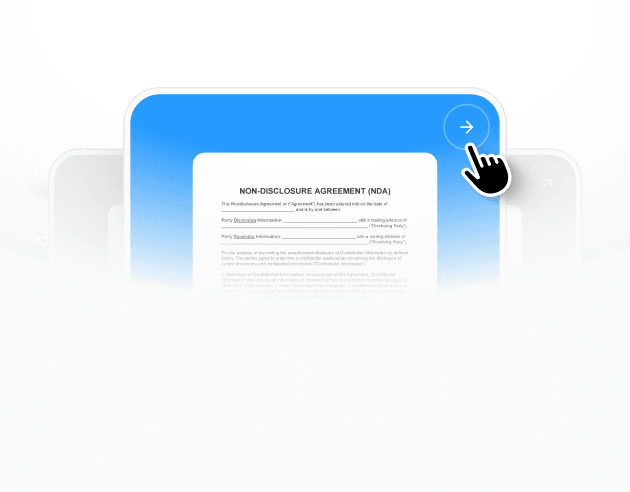
Select template illustration
Select a template

Each template already follows legal structure and best practices.

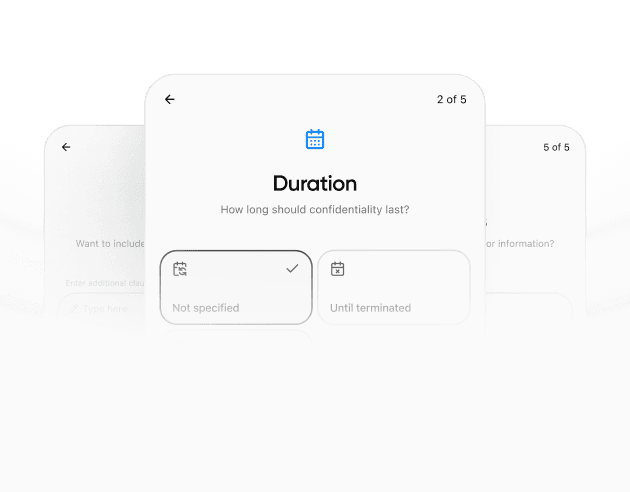
Provide details illustration
Provide details

The agreement is automatically filled and adapted to your inputs.

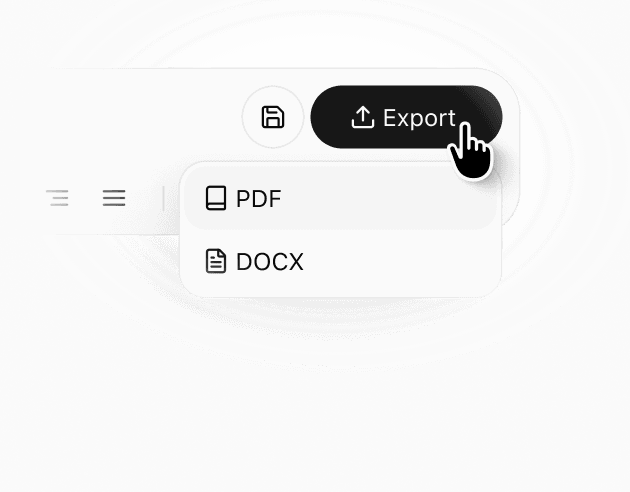
Review & download illustration
Review & download

Check the generated document, make edits if needed, and download a ready-to-use agreement.

Details

Learn more about

Creative Brief Template

Click below for detailed info on the template.
For quick answers, scroll below to see the FAQ.

Click below for detailed info on the template.
For quick answers, scroll below to see the FAQ.

CREATIVE BRIEF TEMPLATE FAQ


What is a creative brief?

A creative brief is a short document that explains what you’re creating, why you’re creating it, and what success looks like. It aligns stakeholders by defining goals, audience, messaging, deliverables, constraints, and approval steps before work begins.


Who should use a creative brief?

Marketing teams, designers, agencies, product teams, and founders use creative briefs to reduce revisions and speed up delivery. It’s useful for ads, landing pages, videos, brand work, and content campaigns.


What should be included?

Most briefs include: project background, objectives, target audience, key message, deliverables, tone/brand guidelines, required elements, timeline, budget, and how approvals work. This template includes all of those in a clear structure.


How detailed should it be?

Detailed enough to prevent misunderstandings but short enough to read quickly. Use bullet points and concrete requirements (sizes, formats, channels, deadlines). This template is designed to be comprehensive without being long.


What is AI Lawyer?

AI Lawyer is an AI-powered assistant that helps you create and customize legal and business document templates online. It guides you through key sections, suggests wording, and explains complex concepts in simple language. AI Lawyer does not replace a licensed attorney or provide legal advice, but helps you prepare better documents faster and more confidently.

Similar templates

Other templates from

Business Document

Money back guarantee

Free trial

Cancel anytime

AI Lawyer protects

your rights and wallet

🌐

Company

Learn

Terms

Β©2026 AI Lawtech Sp. z O.O. All rights reserved.

Money back guarantee

Free trial

Cancel anytime

AI Lawyer protects

your rights and wallet

🌐

Company

Learn

Terms

AI Lawtech Sp. z O.O.

Β©2026

Money back guarantee

Free trial

Cancel anytime

AI Lawyer protects

your rights and wallet

🌐

Company

Learn

Terms

Β©2026 AI Lawtech Sp. z O.O. All rights reserved.

Money back guarantee

Free trial

Cancel anytime

AI Lawyer protects

your rights and wallet

🌐

Company

Learn

Terms

Β©2026 AI Lawtech Sp. z O.O. All rights reserved.