Whistleblower Policy Template: Reporting and Anti-Retaliation

Whistleblower Policy Template: Reporting and Anti-Retaliation

Whistleblower Policy Template: Reporting and Anti-Retaliation

Whistleblower Policy Template: Reporting and Anti-Retaliation

Typical length: 4-6 pages

Length: 4-6 pages

AI Assisted

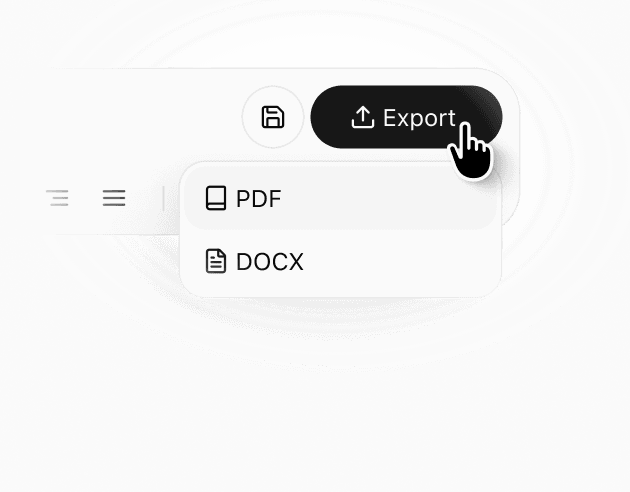
Export: PDF & DOCX

Multi-jurisdiction ready

Multi-jurisdiction

Get your custom agreement in minutes

4.8 Rating

Downloaded 2868 times

Google For Startups

Google For Startups

NVIDIA Inception Program

NVIDIA Inception Program

Whistleblower Policy Template


Company / Organization Name: [Company Name]
Document Title: Whistleblower Policy
Effective Date: [Date]
Version: [Version Number]
Policy Owner: [Department / Role]


1. Purpose

The purpose of this Whistleblower Policy is to provide a clear process for reporting suspected misconduct, legal violations, unethical conduct, fraud, safety concerns, financial irregularities, retaliation, or other improper activity.

This Policy is intended to support lawful reporting, responsible internal review, and protection against retaliation for good-faith reporting.


2. Scope

This Policy applies to:

☐ employees
☐ officers
☐ directors
☐ managers
☐ temporary workers
☐ contractors or consultants
☐ volunteers
☐ other covered persons: [Describe]

This Policy applies to concerns involving the Company’s operations, workplace conduct, financial practices, compliance matters, and other activities connected to the organization.


3. Reportable Concerns

A report may be made under this Policy for suspected or actual:

[fraud or theft]
[financial misconduct or false reporting]
[legal or regulatory violations]
[health or safety concerns]
[harassment, discrimination, or retaliation]
[conflicts of interest]
[bribery or corruption]
[data privacy or security violations]
[misuse of company assets]
[other misconduct]

Additional examples, if any:

[Insert details]


4. Good-Faith Reporting Standard

Reports under this Policy should be made in good faith.

A good-faith report means the reporting person reasonably believes that the information being reported is true or raises a legitimate concern, even if an investigation later shows that no violation occurred.

Knowingly false reports, intentionally misleading reports, or reports made in bad faith may result in disciplinary action, subject to applicable law.


5. Reporting Channels

A person may report concerns using any of the following channels:

☐ immediate supervisor, unless inappropriate
☐ Human Resources
☐ Compliance Officer
☐ Legal Department
☐ Ethics Hotline
☐ designated email address: [Email Address]
☐ web reporting portal: [Portal Information]
☐ anonymous reporting channel, if available: [Describe]
☐ other: [Describe]

If the concern involves a supervisor, manager, or usual reporting contact, the reporting person should use another available channel.


6. Anonymous Reports

Reports may be made anonymously if allowed by the Company’s reporting system and applicable law.

Anonymous reports will be reviewed to the extent possible based on the information provided. However, limited information may affect the ability to investigate fully.


7. Confidentiality

The Company will make reasonable efforts to handle reports as confidentially as possible, consistent with the need to review, investigate, respond, take corrective action, and comply with legal obligations.

Information may be shared only with persons who have a legitimate need to know in connection with the report, investigation, remediation, or legal process.


8. Anti-Retaliation

The Company prohibits retaliation against any person who, in good faith:

reports a concern under this Policy;
participates in an internal review or investigation;
provides information in connection with a lawful inquiry;
refuses to participate in conduct the person reasonably believes is unlawful or improper, where protected by applicable law.

Prohibited retaliation may include:

[termination]
[demotion]
[discipline]
[threats]
[harassment]
[reduced hours or pay]
[unjustified reassignment]
[blacklisting or exclusion]
[other adverse treatment]

Anyone who believes they have experienced retaliation should report it immediately through any reporting channel listed in this Policy.


9. No Restriction on Lawful External Reporting

Nothing in this Policy is intended to prevent any person from reporting possible violations of law to a government agency, regulator, law enforcement authority, or other body where such reporting is protected or permitted by law.

Nothing in this Policy requires a person to notify the Company before making a lawful external report unless applicable law specifically requires otherwise.


10. Intake and Review of Reports

Upon receipt of a report, the Company may take the following steps as appropriate:

log the report;
assign a reviewer or investigator;
conduct an initial assessment;
take interim protective steps if needed;
determine whether escalation is required;
begin an investigation or refer the matter for other review.

The Company may decide the level of review based on the seriousness, credibility, scope, and urgency of the reported concern.


11. Investigation Process

Investigations under this Policy may include:

[document review]
[witness interviews]
[data or financial review]
[compliance review]
[consultation with legal counsel]
[referral to external advisors or investigators]
[other appropriate steps]

Investigations will be handled as promptly and fairly as reasonably possible under the circumstances.


12. Cooperation Requirement

Covered persons are expected to cooperate honestly and reasonably in internal reviews and investigations, subject to applicable law.

Failure to cooperate, obstruction of an investigation, destruction of relevant records, or retaliation against a reporting person or witness may result in disciplinary action.


13. Corrective Action

If the Company determines that misconduct, policy violations, retaliation, or other improper conduct occurred, the Company may take appropriate corrective action, including:

[training or counseling]
[process changes]
[written warning]
[suspension]
[termination]
[reporting to authorities where required]
[other remedial measures]


14. False Reports and Misuse of Policy

This Policy is intended to protect good-faith reporting, not malicious accusations.

A person who knowingly makes a false report, fabricates evidence, or intentionally misuses this Policy may be subject to disciplinary action, subject to applicable law and protected rights.


15. Recordkeeping

The Company may maintain records of reports, investigations, findings, and responsive actions in a secure manner consistent with legal, compliance, privacy, and retention requirements.

Access to such records may be limited to authorized persons.


16. Non-Exclusive Policy

This Policy does not replace any other complaint, grievance, safety-reporting, harassment-reporting, ethics, or legal-reporting process that may apply.

A report may also be handled under another policy, investigation protocol, or legal procedure if appropriate.


17. Training and Communication

The Company may provide training, posting, communication, or onboarding materials regarding this Policy and the available reporting channels.

Managers and designated reviewers may receive additional training regarding escalation, confidentiality, non-retaliation, and investigation handling.


18. Administration and Revisions

This Policy shall be administered by:

[Compliance Officer / HR / Legal Department / Other]

The Company may revise this Policy at any time, subject to applicable law and internal approval requirements.

Review schedule:

☐ annually
☐ after material legal changes
☐ after significant compliance events
☐ other: [Describe]


19. Acknowledgment

I acknowledge that I have received, reviewed, or been given access to this Whistleblower Policy.

Employee / Worker Signature: __________________________
Name: [Full Name]
Title / Department: [Title / Department]
Date: [Date]

Company Representative Signature: __________________________
Name: [Full Name]
Title: [Title]
Date: [Date]


Whistleblower Policy Template


Company / Organization Name: [Company Name]
Document Title: Whistleblower Policy
Effective Date: [Date]
Version: [Version Number]
Policy Owner: [Department / Role]


1. Purpose

The purpose of this Whistleblower Policy is to provide a clear process for reporting suspected misconduct, legal violations, unethical conduct, fraud, safety concerns, financial irregularities, retaliation, or other improper activity.

This Policy is intended to support lawful reporting, responsible internal review, and protection against retaliation for good-faith reporting.


2. Scope

This Policy applies to:

☐ employees
☐ officers
☐ directors
☐ managers
☐ temporary workers
☐ contractors or consultants
☐ volunteers
☐ other covered persons: [Describe]

This Policy applies to concerns involving the Company’s operations, workplace conduct, financial practices, compliance matters, and other activities connected to the organization.


3. Reportable Concerns

A report may be made under this Policy for suspected or actual:

[fraud or theft]
[financial misconduct or false reporting]
[legal or regulatory violations]
[health or safety concerns]
[harassment, discrimination, or retaliation]
[conflicts of interest]
[bribery or corruption]
[data privacy or security violations]
[misuse of company assets]
[other misconduct]

Additional examples, if any:

[Insert details]


4. Good-Faith Reporting Standard

Reports under this Policy should be made in good faith.

A good-faith report means the reporting person reasonably believes that the information being reported is true or raises a legitimate concern, even if an investigation later shows that no violation occurred.

Knowingly false reports, intentionally misleading reports, or reports made in bad faith may result in disciplinary action, subject to applicable law.


5. Reporting Channels

A person may report concerns using any of the following channels:

☐ immediate supervisor, unless inappropriate
☐ Human Resources
☐ Compliance Officer
☐ Legal Department
☐ Ethics Hotline
☐ designated email address: [Email Address]
☐ web reporting portal: [Portal Information]
☐ anonymous reporting channel, if available: [Describe]
☐ other: [Describe]

If the concern involves a supervisor, manager, or usual reporting contact, the reporting person should use another available channel.


6. Anonymous Reports

Reports may be made anonymously if allowed by the Company’s reporting system and applicable law.

Anonymous reports will be reviewed to the extent possible based on the information provided. However, limited information may affect the ability to investigate fully.


7. Confidentiality

The Company will make reasonable efforts to handle reports as confidentially as possible, consistent with the need to review, investigate, respond, take corrective action, and comply with legal obligations.

Information may be shared only with persons who have a legitimate need to know in connection with the report, investigation, remediation, or legal process.


8. Anti-Retaliation

The Company prohibits retaliation against any person who, in good faith:

reports a concern under this Policy;
participates in an internal review or investigation;
provides information in connection with a lawful inquiry;
refuses to participate in conduct the person reasonably believes is unlawful or improper, where protected by applicable law.

Prohibited retaliation may include:

[termination]
[demotion]
[discipline]
[threats]
[harassment]
[reduced hours or pay]
[unjustified reassignment]
[blacklisting or exclusion]
[other adverse treatment]

Anyone who believes they have experienced retaliation should report it immediately through any reporting channel listed in this Policy.


9. No Restriction on Lawful External Reporting

Nothing in this Policy is intended to prevent any person from reporting possible violations of law to a government agency, regulator, law enforcement authority, or other body where such reporting is protected or permitted by law.

Nothing in this Policy requires a person to notify the Company before making a lawful external report unless applicable law specifically requires otherwise.


10. Intake and Review of Reports

Upon receipt of a report, the Company may take the following steps as appropriate:

log the report;
assign a reviewer or investigator;
conduct an initial assessment;
take interim protective steps if needed;
determine whether escalation is required;
begin an investigation or refer the matter for other review.

The Company may decide the level of review based on the seriousness, credibility, scope, and urgency of the reported concern.


11. Investigation Process

Investigations under this Policy may include:

[document review]
[witness interviews]
[data or financial review]
[compliance review]
[consultation with legal counsel]
[referral to external advisors or investigators]
[other appropriate steps]

Investigations will be handled as promptly and fairly as reasonably possible under the circumstances.


12. Cooperation Requirement

Covered persons are expected to cooperate honestly and reasonably in internal reviews and investigations, subject to applicable law.

Failure to cooperate, obstruction of an investigation, destruction of relevant records, or retaliation against a reporting person or witness may result in disciplinary action.


13. Corrective Action

If the Company determines that misconduct, policy violations, retaliation, or other improper conduct occurred, the Company may take appropriate corrective action, including:

[training or counseling]
[process changes]
[written warning]
[suspension]
[termination]
[reporting to authorities where required]
[other remedial measures]


14. False Reports and Misuse of Policy

This Policy is intended to protect good-faith reporting, not malicious accusations.

A person who knowingly makes a false report, fabricates evidence, or intentionally misuses this Policy may be subject to disciplinary action, subject to applicable law and protected rights.


15. Recordkeeping

The Company may maintain records of reports, investigations, findings, and responsive actions in a secure manner consistent with legal, compliance, privacy, and retention requirements.

Access to such records may be limited to authorized persons.


16. Non-Exclusive Policy

This Policy does not replace any other complaint, grievance, safety-reporting, harassment-reporting, ethics, or legal-reporting process that may apply.

A report may also be handled under another policy, investigation protocol, or legal procedure if appropriate.


17. Training and Communication

The Company may provide training, posting, communication, or onboarding materials regarding this Policy and the available reporting channels.

Managers and designated reviewers may receive additional training regarding escalation, confidentiality, non-retaliation, and investigation handling.


18. Administration and Revisions

This Policy shall be administered by:

[Compliance Officer / HR / Legal Department / Other]

The Company may revise this Policy at any time, subject to applicable law and internal approval requirements.

Review schedule:

☐ annually
☐ after material legal changes
☐ after significant compliance events
☐ other: [Describe]


19. Acknowledgment

I acknowledge that I have received, reviewed, or been given access to this Whistleblower Policy.

Employee / Worker Signature: __________________________
Name: [Full Name]
Title / Department: [Title / Department]
Date: [Date]

Company Representative Signature: __________________________
Name: [Full Name]
Title: [Title]
Date: [Date]
Get your complete
agreement in minutes

Select template illustration
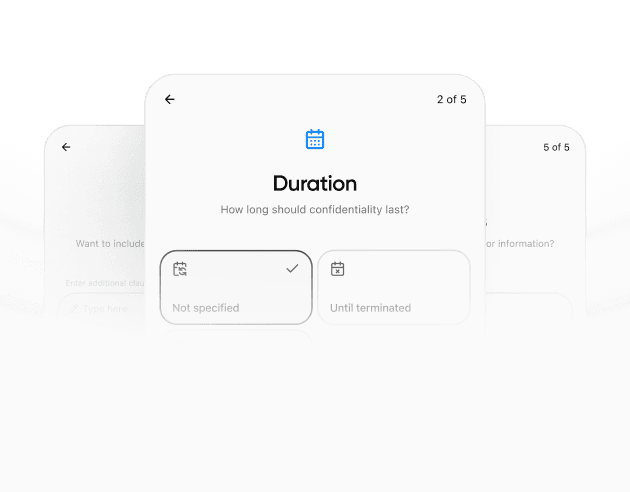
Select a template

Each template already follows legal structure and best practices.

Provide details illustration
Provide details

The agreement is automatically filled and adapted to your inputs.

Review & download illustration
Review & download

Check the generated document, make edits if needed, and download a ready-to-use agreement.

Details

Learn more about

Whistleblower Policy Template: Reporting and Anti-Retaliation

Click below for detailed info on the template.
For quick answers, scroll below to see the FAQ.

Click below for detailed info on the template.
For quick answers, scroll below to see the FAQ.

WHISTLEBLOWER POLICY TEMPLATE FAQ


What is a whistleblower policy?

A whistleblower policy is a written internal policy that explains how employees and other covered persons can report suspected misconduct, legal violations, fraud, safety concerns, or retaliation. It usually identifies reporting channels, confidentiality expectations, anti-retaliation protections, and how the organization will review reports. OSHA explains that whistleblower protections generally prohibit retaliation against employees for engaging in protected activity, and the SEC likewise recognizes anti-retaliation protections for whistleblowers in the securities context.


Why do you need a whistleblower policy?

You need a whistleblower policy to clearly explain how concerns should be raised and how the organization will respond. It helps reduce confusion, supports internal compliance, and makes it easier to document that retaliation is prohibited. It can also be useful in regulated and government-contract settings, where internal reporting mechanisms, ethics programs, or hotline notices may be expected or required.


When should you use a whistleblower policy?

Use a whistleblower policy when an organization wants a formal internal process for reporting suspected wrongdoing and protecting people who raise concerns in good faith. It is especially useful for companies with compliance risk, regulated operations, public-company exposure, government contracts, or multiple reporting lines. OSHA’s program covers a wide range of subject areas, including safety, environmental, transportation, financial-reform, food-safety, healthcare, and securities-related laws.


How to write a whistleblower policy?

Start with the policy purpose and scope, then define what can be reported and who may report. After that, include reporting channels, confidentiality language, anti-retaliation language, investigation steps, escalation procedures, recordkeeping, and disciplinary consequences for misconduct or bad-faith reporting. It is also useful to state that the policy does not prevent lawful external reporting to regulators or government agencies, especially because some whistleblower rules protect direct reporting to agencies like OSHA or the SEC.


Can AI Lawyer help if HR, compliance teams, and managers all need to review?

AI Lawyer can help by organizing the policy into clear sections so each reviewer can find the relevant details quickly. It can also add internal reference fields, escalation notes, and placeholders that make updates easier to track. A consistent structure helps reduce repeated edits and lowers the chance of missing key details like reporting channels, anti-retaliation rules, or investigation ownership before the policy is adopted.

Similar templates

Other templates from

Policy and Compliance Documents

Money back guarantee

Free trial

Cancel anytime

AI Lawyer protects

your rights and wallet

🌐

Company

Learn

Terms

Β©2026 AI Lawtech Sp. z O.O. All rights reserved.

Money back guarantee

Free trial

Cancel anytime

AI Lawyer protects

your rights and wallet

🌐

Company

Learn

Terms

AI Lawtech Sp. z O.O.

Β©2026

Money back guarantee

Free trial

Cancel anytime

AI Lawyer protects

your rights and wallet

🌐

Company

Learn

Terms

Β©2026 AI Lawtech Sp. z O.O. All rights reserved.

Money back guarantee

Free trial

Cancel anytime

AI Lawyer protects

your rights and wallet

🌐

Company

Learn

Terms

Β©2026 AI Lawtech Sp. z O.O. All rights reserved.