AI Assisted
Export: PDF & DOCX
Get your custom agreement in minutes
4.8 Rating
Downloaded 2744 times
Get your complete
agreement in minutes
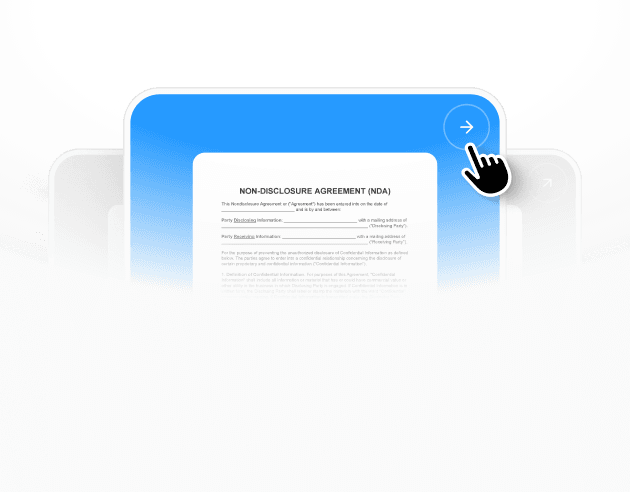
Select a template
Each template already follows legal structure and best practices.
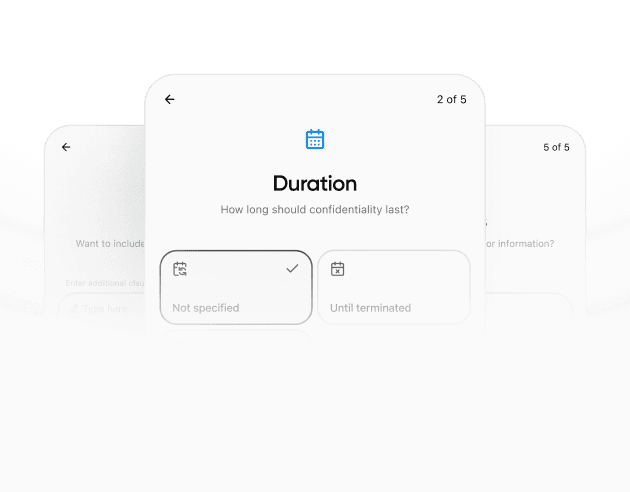
Provide details
The agreement is automatically filled and adapted to your inputs.
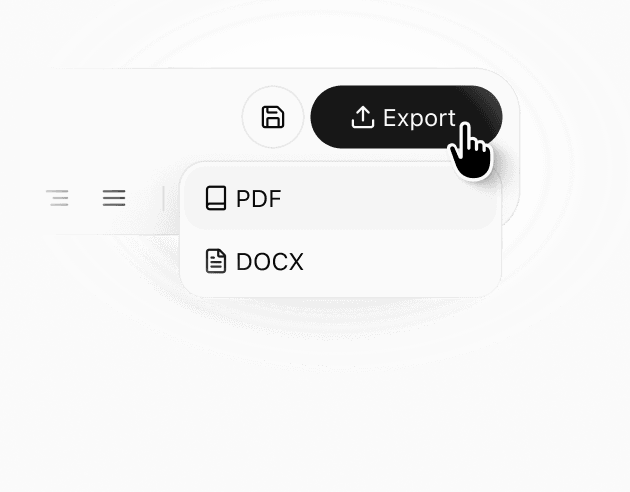
Review & download
Check the generated document, make edits if needed, and download a ready-to-use agreement.
Details
Learn more about
Training Proposal Template – Texas
Texas Training Proposal Template FAQ
How do I choose between per-session and per-participant pricing?
Per-session pricing is often simpler when the cohort size may fluctuate, because the fee is tied to delivery time rather than headcount. Per-participant pricing can be a better fit when materials, licensing, or certification costs scale directly with attendance. If you are unsure, present both models and define what is included in each, such as customization, follow-up support, and travel. A clear table makes it easy for approvers to compare options without reopening scope discussions.
What should be listed as out-of-scope?
Out-of-scope items are the most effective way to prevent “small adds” from turning into a different program. List exclusions tied to content (extra modules), audience (additional teams), and delivery (extra sessions, recordings, or coaching). If the client may ask for follow-on work, note that additional services can be scoped separately. This keeps the proposal fair and reduces friction because everyone can see what changes require a documented adjustment.
How can I handle travel and on-site expenses fairly?
Define whether travel is included, capped, or billed as incurred, and identify which expenses are covered. If the client prefers predictable budgeting, use a cap or a flat travel line item. If travel is uncertain, state assumptions such as number of trips or days on-site. The key is to avoid surprises by describing the model clearly and keeping travel separate from facilitation fees.
What is a reasonable rescheduling policy for training?
Rescheduling works best when it has a lead-time expectation that allows both parties to protect calendars and costs. Include a reschedule window and a process for proposing alternate dates. If the training supports a larger rollout, add scheduling assumptions about shift coverage or system availability. Clear rescheduling terms prevent last-minute changes from disrupting delivery quality or forcing rushed cohorts.
Do I need to include a change control section in a training proposal?
If the program involves multiple sessions, multiple stakeholders, or a hybrid delivery model, change control is extremely useful. It provides a simple way to document scope changes, schedule shifts, or added participants and to confirm the impact on fees. Even a short change record reduces misunderstandings, because it creates a shared reference for what was approved and when. This is especially helpful when leadership changes mid-project.
How can AI Lawyer help with pricing clarity?
AI Lawyer can draft the pricing table structure and standard fee language so you start with a clean, reviewable layout. You still control the numbers and assumptions, but the template keeps the presentation consistent across proposals. After generating a draft, refine the line items to match how you actually bill, and align the scope boundaries with the pricing model so approvers can see exactly what they are paying for.
What should I do if the client wants coaching added at the end?
Treat coaching as an add-on with its own unit (per session or per participant) and schedule assumptions. If it is requested after delivery begins, document it as a change and state whether coaching replaces another component or adds to total time. Coaching can be highly effective, but it should be scoped clearly so the program remains deliverable and the provider’s time is accounted for.
Similar templates