AI Assisted
Export: PDF & DOCX
Get your custom agreement in minutes
4.8 Rating
Downloaded 3187 times
Get your complete
agreement in minutes
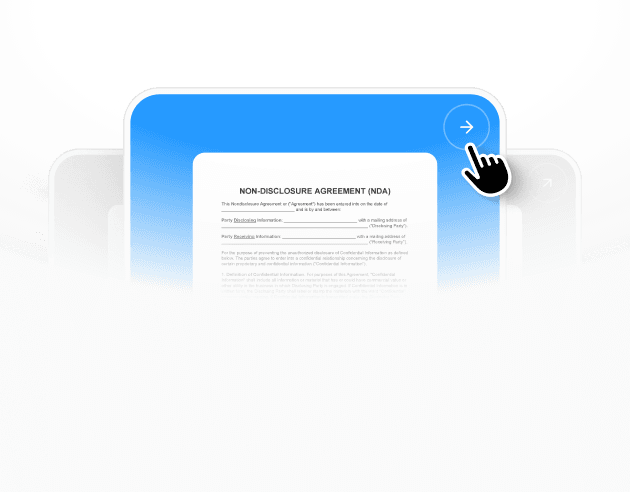
Select a template
Each template already follows legal structure and best practices.
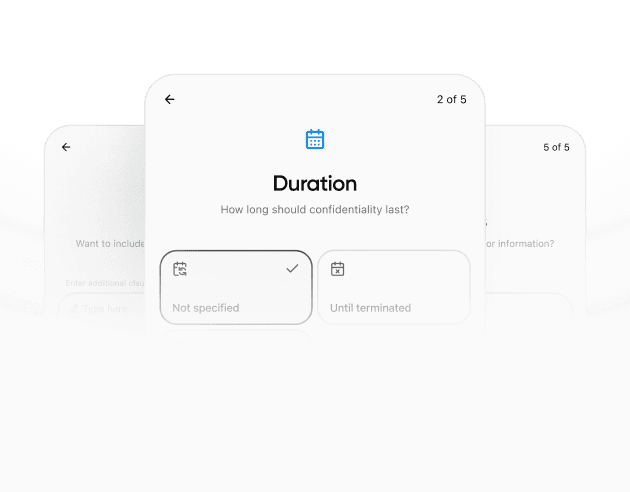
Provide details
The agreement is automatically filled and adapted to your inputs.
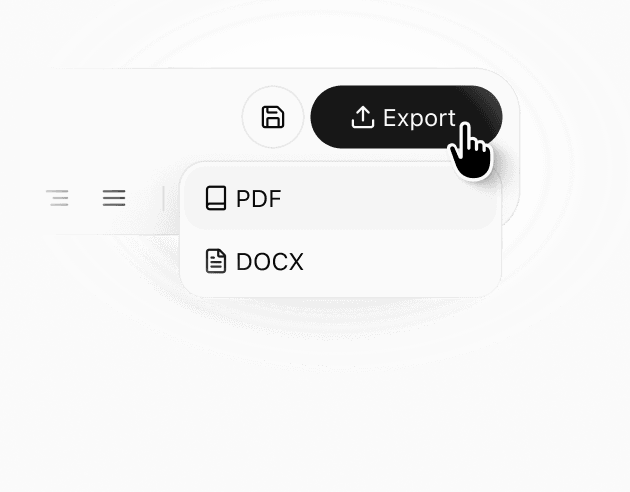
Review & download
Check the generated document, make edits if needed, and download a ready-to-use agreement.
Details
Learn more about
Training Proposal Template – California
California Training Proposal Template FAQ
What should I include in the proposal title?
Use a title that names the audience and outcome, not just the topic. A good format is “[Audience] + [Skill/Outcome] Training for [Organization/Team].” That makes it easy for stakeholders to understand scope at a glance and helps you keep modules aligned with a single goal. If you plan multiple sessions, add a program name and a date range so the proposal reads like a deliverable and not a generic pitch. If you generate drafts in AI Lawyer, keep the title consistent with the objectives section to avoid mismatch during approvals.
How detailed should the executive summary be?
Aim for a short narrative that states the current problem, the trigger for training, and the expected business impact. Decision-makers usually want clarity on why training is the right response and what changes they should expect afterward. If your organization is large, name the teams or workflows affected so the scope is unmistakable. Avoid turning the summary into a long curriculum; save the granular agenda for the topics and timeline sections.
Can I use this template for internal budget approval as well as a client pitch?
Yes. For internal use, emphasize the gap, success criteria, and the timeline, then keep pricing framed as an internal cost estimate. For external proposals, keep the same structure but present fees and payment terms more explicitly and include a clear acceptance block. In both cases, the most important elements are scope boundaries (who is in, who is out) and how success will be measured after delivery.
How do I define training objectives that are measurable?
Write objectives as actions participants can demonstrate, such as “apply,” “draft,” “run,” or “resolve,” and link each objective to a visible output or behavior. Then add success criteria that describes how you will confirm the change, such as a manager observation checklist, short scenario assessments, or a workflow metric. If you cannot measure it directly, use a proxy like reduced rework, faster cycle time, or fewer escalations tied to the training topic.
What if the client wants to change the scope after signing?
Treat scope changes as a documented adjustment, even if the relationship is friendly. Specify what changes (modules, audience size, schedule, or delivery format), how pricing is affected, and what the new timeline is. This helps prevent disagreements about what was “included.” A simple written change record also protects both parties by keeping expectations aligned as priorities shift.
Should we record virtual sessions?
Recording can be useful for reinforcement and onboarding, but it should be a deliberate choice with clear access and retention expectations. If you record, identify where the file will live, who can view it, and how long it should be kept. If you do not record, consider offering a written recap and key templates so participants still have a reference. Either approach works when it is decided in advance and reflected in the proposal.
How do I use AI Lawyer without making the proposal feel generic?
Start with your real context: the training trigger, the teams involved, and the success criteria you care about. Then tailor modules to match how your organization operates, such as adding a timeline table for multi-session programs or a materials checklist for LMS delivery. When you review the draft, replace broad phrases with your internal terminology (team names, tools, process steps) so the proposal reads like it was written for that audience alone.
Similar templates