AI Assisted
Export: PDF & DOCX
Get your custom agreement in minutes
4.8 Rating
Downloaded 4021 times
Get your complete
agreement in minutes
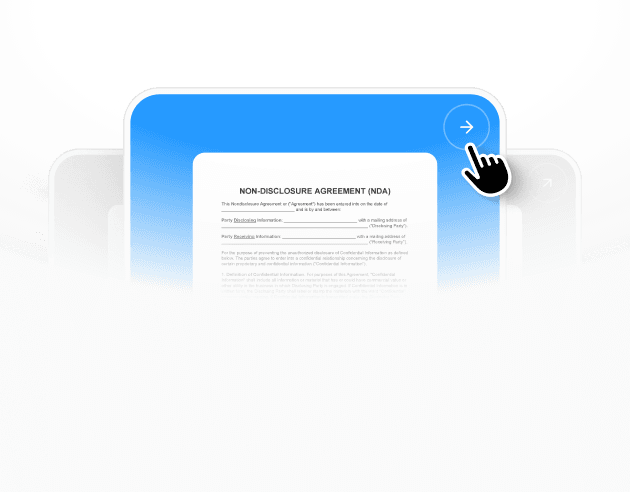
Select a template
Each template already follows legal structure and best practices.
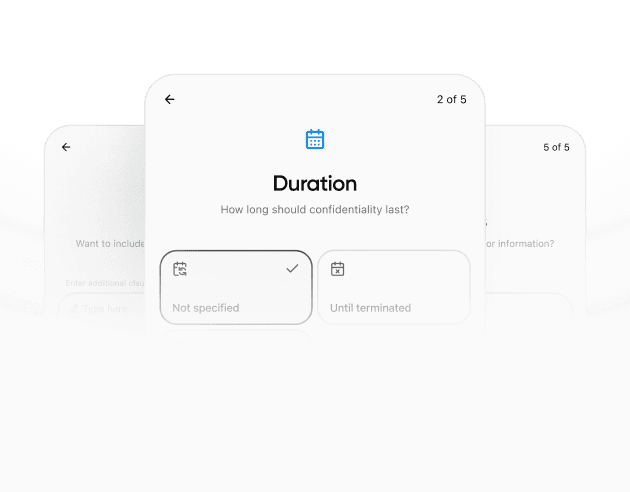
Provide details
The agreement is automatically filled and adapted to your inputs.
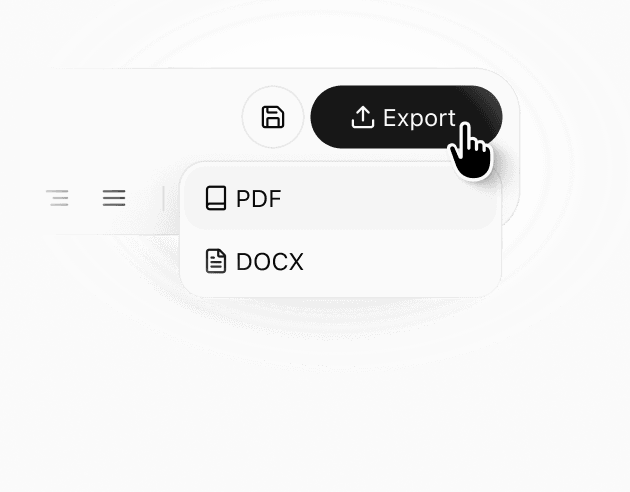
Review & download
Check the generated document, make edits if needed, and download a ready-to-use agreement.
Details
Learn more about
Training Proposal Template – New York
New York Training Proposal Template FAQ
How is this proposal different from a statement of work?
A training proposal is a structured offer that explains the program’s purpose, scope, delivery approach, and commercial terms so stakeholders can decide whether to proceed. A statement of work is often the next layer of detail that operationalizes delivery, including milestones, responsibilities, and sometimes tighter change control. Many organizations use the proposal to secure concept approval and then convert it into a statement of work once dates, cohort sizes, and logistics are locked in.
What procurement details should I capture early?
Capture the vendor contact, invoicing contact, pricing model, and who must approve terms. If the client requires specific onboarding steps, add the internal proposal ID and any purchase order placeholders so the final document can route cleanly. It also helps to name the decision rights up front, because training projects often stall when the business sponsor approves scope but procurement still needs confirmation on invoicing, travel, or platform access.
How many training modules should I propose in one program?
Three modules is often enough to communicate a complete program while staying realistic about participant time. If the skill set is broad, keep modules focused and use the schedule table or deliverables field to show how content is distributed across sessions. You can also include reinforcement artifacts instead of adding more live sessions. The goal is to scope a program that can be delivered well, not to list every possible topic.
What should I do if the audience includes multiple job functions?
Define the shared outcomes first, then clarify what each function will practice differently. You can keep one program but include role-specific scenarios and exercises. If the roles have very different needs, consider separate cohorts or a shared kickoff plus breakout sessions. The proposal should make it clear whether training time is the same for everyone or whether certain groups will receive additional coaching or assignments.
Can I use the same proposal for in-person and hybrid delivery?
Yes, as long as you state the delivery format clearly and identify what changes between formats. Hybrid delivery usually requires additional facilitation support, stronger participant engagement tools, and a clearer plan for activities. The facility and connectivity section is especially important when some participants are remote. If the client is uncertain, include a format placeholder and define how the final choice affects schedule or pricing.
How should I present trainer credentials without overselling?
Keep credentials factual and relevant to the training goals. Mention years of experience, industries served, and certifications that directly support the module topics. If you have past clients or outcomes, describe them in general terms without making unverifiable promises. Decision-makers want confidence that the trainer can deliver, but they also want a proposal that reads professional and grounded.
When should the client sign the acceptance section?
The acceptance section is most useful once scope, dates, delivery format, and pricing are stable enough to proceed. If the client still needs to confirm internal availability, you can sign after agreeing on a tentative schedule and define how date adjustments are handled. The key is that both parties understand what is being approved and what would count as a change requiring a documented update.
Similar templates