AI Assisted
Export: PDF & DOCX
Get your custom agreement in minutes
4.8 Rating
Downloaded 3569 times
Get your complete
agreement in minutes
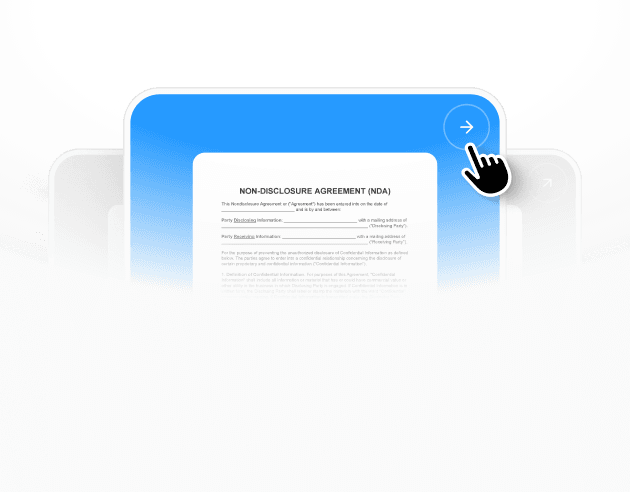
Select a template
Each template already follows legal structure and best practices.
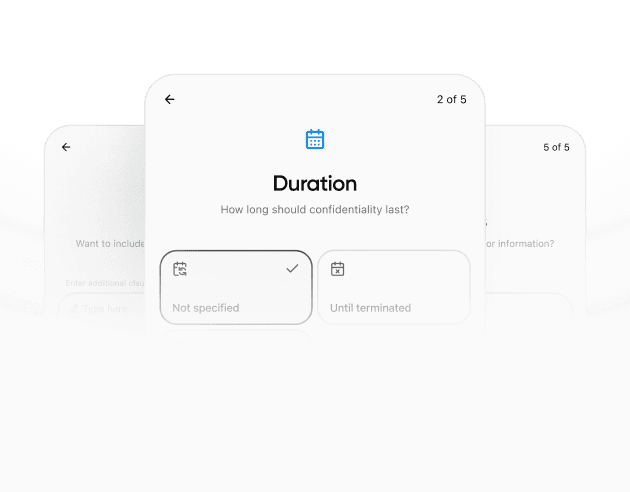
Provide details
The agreement is automatically filled and adapted to your inputs.
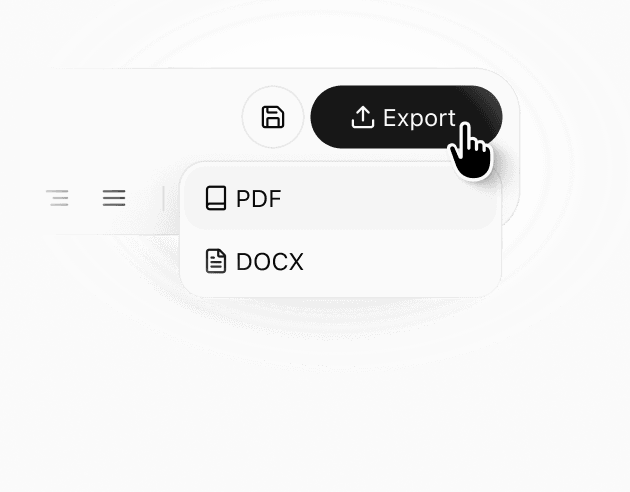
Review & download
Check the generated document, make edits if needed, and download a ready-to-use agreement.
Details
Learn more about
Training Proposal Template – Florida
Florida Training Proposal Template FAQ
When should I use a logistics-first training proposal?
Use it when delivery execution is the main risk, such as multi-site rollouts, hybrid sessions, or trainings that depend on specific rooms, tools, or simulations. This format helps teams lock down the practical details that can derail a program, including rosters, technology setup, and confirmation dates. It is also helpful when the client has several internal owners, because the requirements table clarifies who is responsible for what and when each item is confirmed.
How can I estimate the right session length?
Start from the behavior you want participants to practice, then work backward. Skills that require practice and feedback usually need longer blocks than informational briefings. Consider participant fatigue and operational constraints, especially if training is scheduled around shifts. If content is dense, it is often better to split delivery into shorter sessions with reinforcement assignments rather than compressing everything into one long day.
What should I include in the “instruction methods” field?
List the methods you will actually use, because method drives both engagement and logistics. A discussion-based session needs different facilitation than a skills lab, and a role-play requires time for debrief and feedback. Including methods also sets expectations for participants and managers, which improves attendance and preparation. If you plan to use tools like polls or breakout rooms, reflect that in the technology requirements section.
How do I handle branding and customization requests?
Capture branding requirements as a concrete deliverable: whether client logos must appear, whether templates must match internal formats, and what file types the client expects. Customization should be tied to modules and scenarios, not vague promises. If customization requires subject matter interviews or data, include the assumptions about access and turnaround time. That way, both sides know what inputs are needed before final materials are produced.
Should I provide printed materials or digital materials?
Digital materials are easier to distribute and update, especially for hybrid cohorts, and they integrate well with learning management systems. Printed materials can improve focus in in-person sessions but require more logistics and lead time. Choose one primary distribution method and use the assets checklist to document formats and delivery paths. If you plan to provide both, define which is the official version to avoid confusion.
What is the best way to confirm participant attendance?
Use a method that matches your environment. For in-person delivery, a roster sign-in is simple and reliable. For virtual sessions, completion can be tied to a platform report or a short post-session check-in. Attendance matters most when it affects certification, access, or operational readiness, so the proposal should state how attendance is tracked and how completion will be communicated to the client.
What happens if key logistics items are not confirmed before the training date?
If essential items are unconfirmed, delivery quality can suffer, and time may be lost troubleshooting on the day of training. The requirements table is designed to surface those risks early. If confirmations slip, the parties should either adjust the schedule or modify the delivery format so the session remains effective. Documenting these changes in writing keeps expectations clear and prevents disputes about outcomes.
Similar templates