AI Assisted
Export: PDF & DOCX
Get your custom agreement in minutes
4.8 Rating
Downloaded 3725 times
Get your complete
agreement in minutes
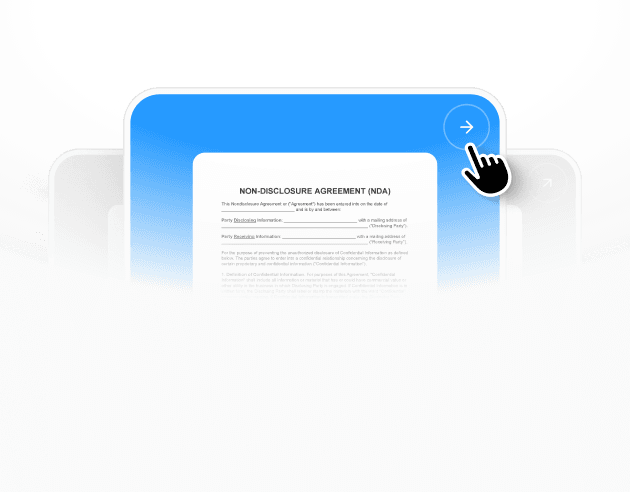
Select a template
Each template already follows legal structure and best practices.
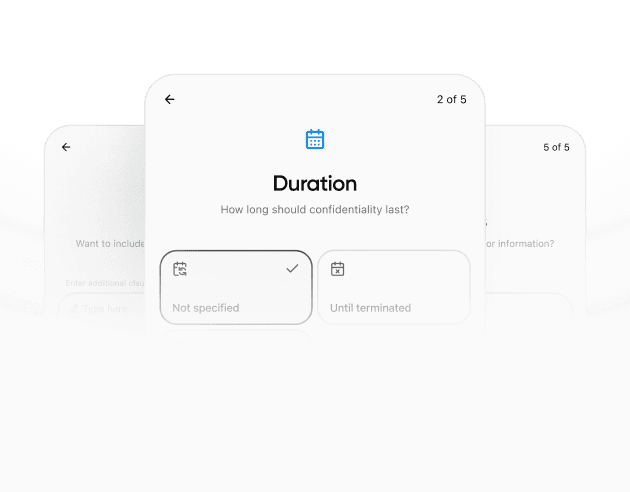
Provide details
The agreement is automatically filled and adapted to your inputs.
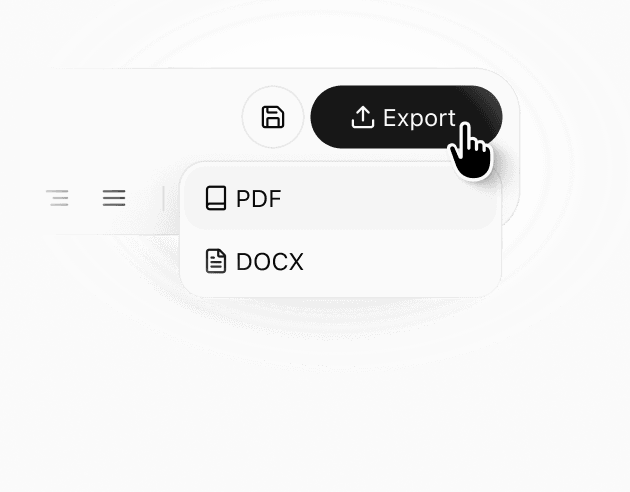
Review & download
Check the generated document, make edits if needed, and download a ready-to-use agreement.
Details
Learn more about
Promissory Note Template – Illinois
Illinois Promissory Note Template FAQ
Why use a default handling matrix instead of a longer default paragraph?
Default language is often broad, but real disputes usually turn on practical steps: what counts as a default event, whether there is a cure period, how notices are delivered, and what happens if the issue is not fixed. A matrix captures those steps in a simple structure that is easier to follow than dense text. It also helps both sides communicate consistently if a payment is missed, reducing emotional escalation. This Illinois version keeps the note compact by using a short table for default workflow while preserving the core promise to pay and the basic remedies language.
What is breach classification and how does it help?
Breach classification is a quick way to document what type of problem occurred and how serious it is. Instead of repeating long lists of possible defaults, the parties choose a category, then assign a severity level with brief criteria. This helps distinguish a minor administrative issue from a material breach that justifies stronger remedies. It can also support workout discussions by creating a shared vocabulary for what happened and what response is appropriate. The point is clarity and consistency, not adding complexity to a short promissory note.
Does a promissory note need a cure period?
A cure period is optional, but it can be useful when the parties want a short window to fix an issue before escalating. For example, a borrower might miss a payment due to a banking delay and can cure quickly. If a cure period is used, it should be stated clearly along with the notice method. If no cure period is intended, the note should still define when a payment becomes late and what triggers default. This template allows cure periods to be recorded in the matrix so the parties can tailor the workflow without expanding the body of the note.
How should lenders document notices and communication during a payment problem?
Lenders should use the notice method stated in the note and keep copies of communications and delivery confirmations. Borrowers should respond in writing and keep proof of any attempted payments. Miscommunication is a common reason disputes escalate, especially when the parties rely on informal chats that are later deleted. A simple record of dates, messages, and outcomes can resolve many disagreements quickly. The matrix structure encourages both sides to treat communications as part of the loan record, which can make later reconciliation or modification much easier.
When should a note be secured rather than unsecured?
Securing a note is typically a lender risk decision. Collateral can provide extra protection, but it also requires clearer documentation of what is pledged. Unsecured notes are common for smaller loans or where trust is high. Secured notes are more common when amounts are larger or the borrower’s ability to repay is uncertain. In either case, the note should clearly state repayment terms, late fee triggers, and default remedies. If collateral is included, describe it precisely and keep collateral records together with the note and any amendments.
How can borrowers avoid triggering default in an installment plan?
Borrowers can reduce risk by setting reminders, using automatic payments when available, and paying through traceable methods. If a payment problem arises, communicating early is often better than waiting until the due date passes. Borrowers should also keep their own proof of payment and reference the note when making payments. If a schedule becomes unrealistic, the parties should document an amendment in writing rather than relying on informal agreements. Clear records and proactive communication usually prevent a missed payment from turning into a larger dispute.
Similar templates